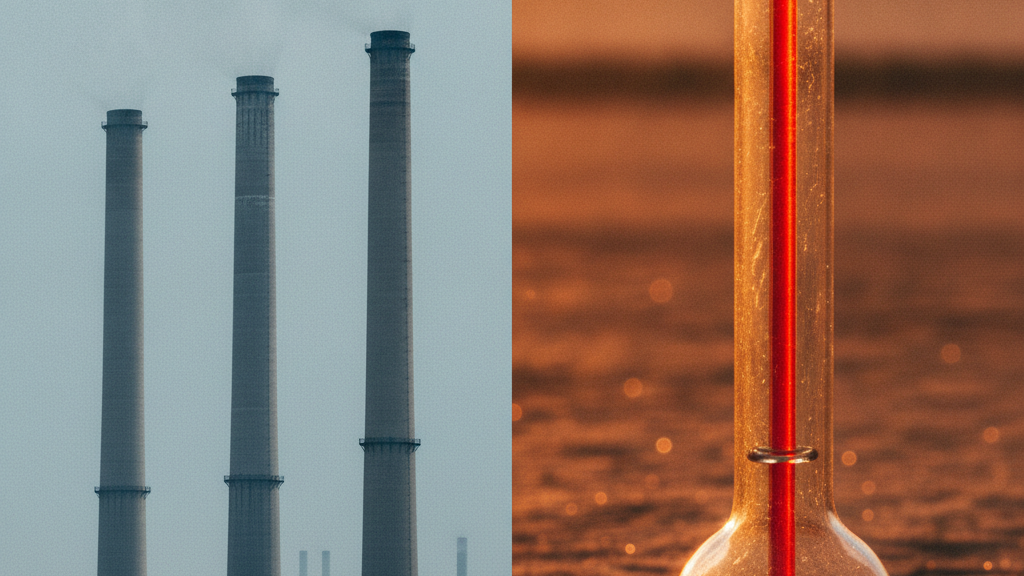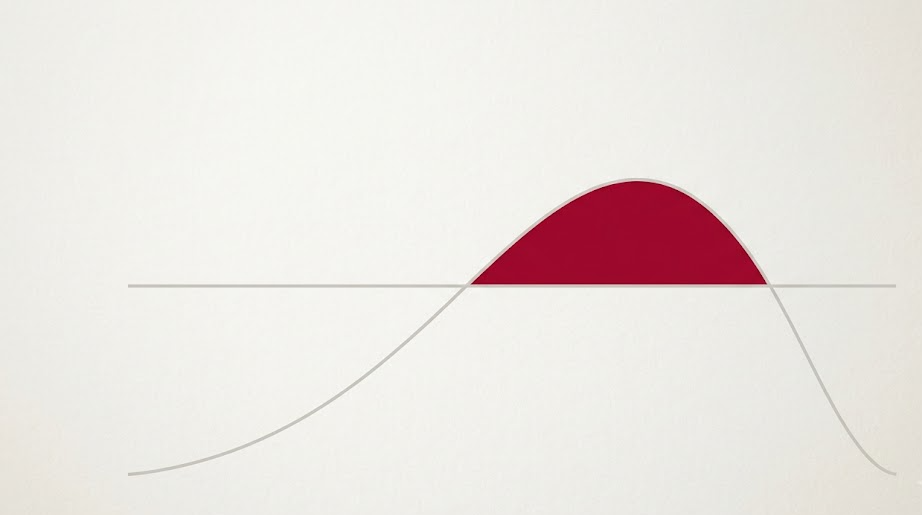
Cutting emissions and enduring the heat already at hand call for different preparations. At the National Assembly, discussion has begun on separating that difference in law. Rep. Cho Ji-yeon of the People Power Party held a debate on the need to enact a climate adaptation law and its legislative tasks at 10 a.m. on the 9th at the National Assembly Members' Office Building. Rep. Cho serves on both the Climate, Energy, Environment and Labor Committee and the Special Committee on the Climate Crisis.
The debate was a follow-up discussion on the "Special Act on Climate Crisis Adaptation and Strengthening Resilience," which Rep. Cho introduced as the lead sponsor last month. The purpose of the event was set along two lines. Grasping the actual conditions of groups vulnerable to the climate crisis and finding ways to support them, and confirming together the legal grounds that would make adaptation measures actually work.
The keynote presentation was given by Shin Ji-young, head of the climate adaptation policy division at the National Climate Crisis Adaptation Center, who addressed the need to enact an adaptation law and its legislative tasks. The discussion was moderated by Song Young-il, president of the Korean Society of Climate Change Research. Nam Sang-wook, professor in the department of business administration at Seowon University, Jang Eun-hye, head of the climate change legislation team at the Korea Legislation Research Institute, Yoo Jae-kook, legislative researcher at the National Assembly Research Service, and Lee Chae-won, director of the climate adaptation division at the Ministry of Climate, Energy and Environment, took part as discussants.
The point participants raised in common was the limits of the current Framework Act on Carbon Neutrality. Views followed to the effect that it is a strain to carry adaptation policy with a law designed around reduction targets. The logic is that budget and enforcement authority follow only once a separate legal framework is in place.
During the discussion a proposal that went a step further was also raised. It was the view of Professor Nam Sang-wook that, once an adaptation law is enacted, a separate climate insurance law should be considered as a follow-up. That is because, the more frequent disasters become, the more the question of who shares the cost of recovery and how emerges as a practical problem. It is at the stage of Professor Nam's personal proposal, so whether it leads to an actual push remains to be seen.
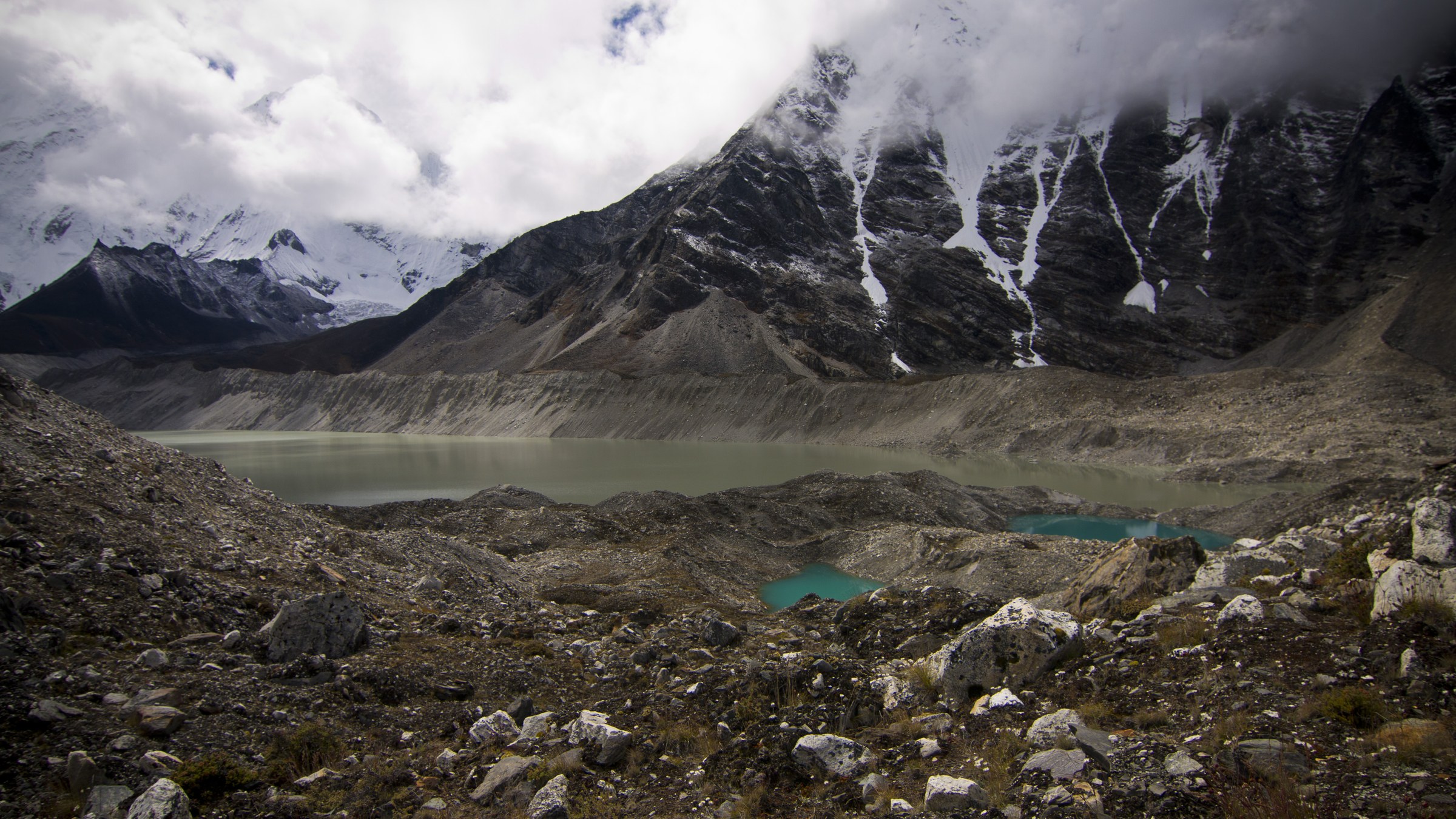
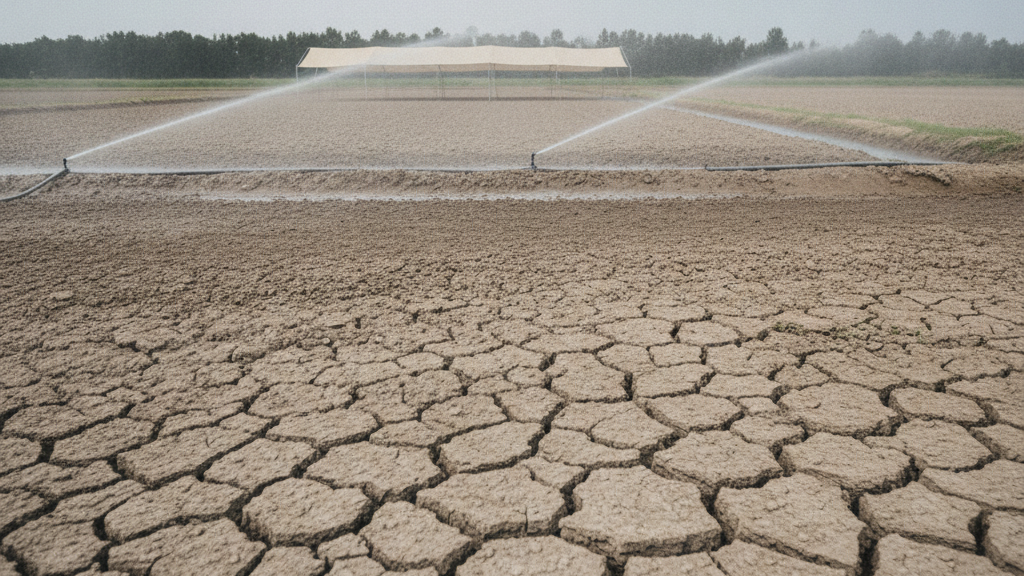
In the background is a change in the character of weather disasters. A diagnosis has emerged that, as compound disasters in which heat waves and droughts strike in succession within a single season increase, even the achievement of the Sustainable Development Goals is under threat. When water dries up, cooling demand grows instead, and crops and vulnerable groups are hit at the same time. How to endure the decades until reduction results appear remains a separate task.
Adaptation legislation is not a cure-all. Making a law does not by itself increase the air conditioners at local government heat shelters. The governance to be written into the provisions, the scope of support for vulnerable groups, and the way funds are raised will determine what people actually feel. The details of the bill are to be revealed during the review process.
There are also things within reach right now. If you check once on your local government's website how far the heat shelters and water supply support in your neighborhood extend, you can guide a neighbor there next summer. Even while the system is being put in order, heat waves come every year. What fills the gap in between is, in the end, human hands.