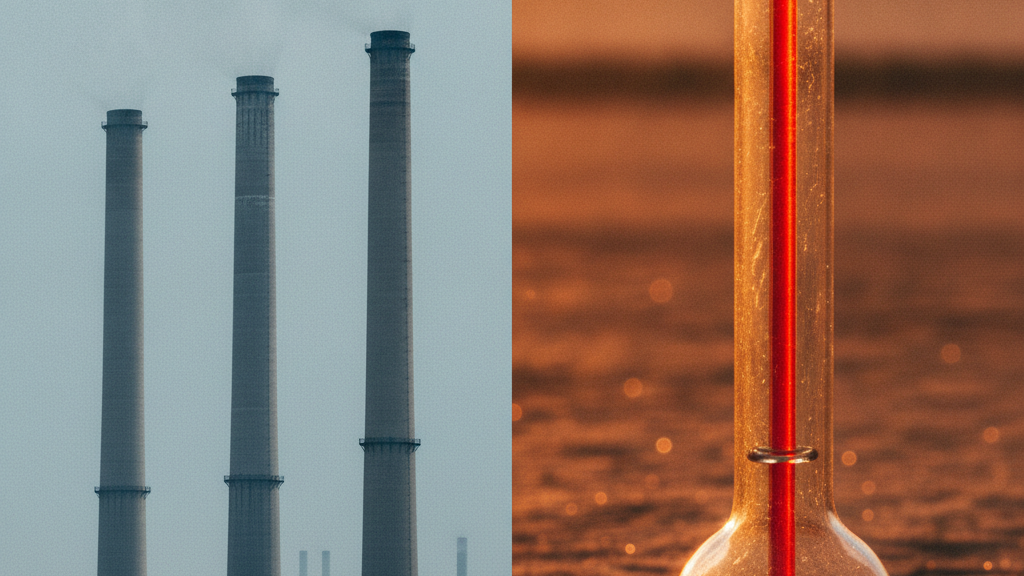
China's CO2 emissions fell 1% in the second quarter of 2026. A sharp drop in oil consumption was identified as the main cause of the decline. The signal came from the world's largest emitter. In the same week, the UN warned that the planet is on track to pass 1.5 degrees of warming within a few years.
The two announcements came a day apart, on September 1 and 2, 2026.
China's decline is not large. A 1% drop is small enough to be buried in a single quarter's fluctuation. The sector behind the decline was oil.
Consumption fell on the transport fuel side, and it is hard to attribute this to coal-fired power or to an economic slowdown. It reads as a signal that the character of energy consumption itself is changing.
The UN's warning points the other way. Once 1.5 degrees is passed, communities will be exposed to more extreme weather, the UN said. That means heat waves, floods and droughts stronger than those of today. The warming limit was a symbol at the negotiating table, but it has now become a matter of calculating an arrival date.
A country whose emissions have begun to fall and a warning that time is running short were set side by side.
Solar installations are rising as well. Global installations of solar panels set a new record every year. Behind this are cheap panels pouring out of China. The lower panel prices fell, the faster installation went, and solar has shown a steeper rate of increase than any other source of generation.
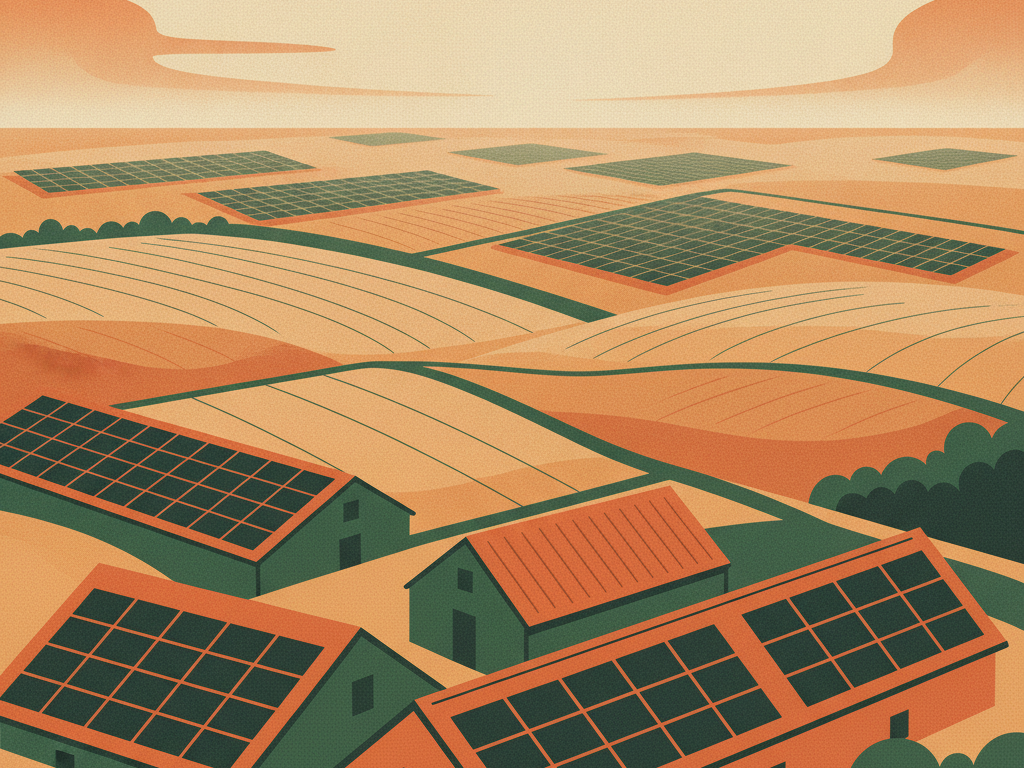
China is the world's largest emitter and the center of the global solar supply chain. Panels from its factories are exported to other countries. Cutting emissions and spreading renewable energy are under way at the same time inside one country.
It is hard to read this trend as cause for optimism alone. Whether a 1% decline in one quarter is a trend or the start of a temporary rebound can only be known by checking the next quarter's figures. A judgment that emissions have peaked is possible only after several years of records have accumulated.
Taking the UN's warning as a declaration of the end is also far from the facts. Saying that a breach of 1.5 degrees is imminent does not mean at all that reductions have become pointless.
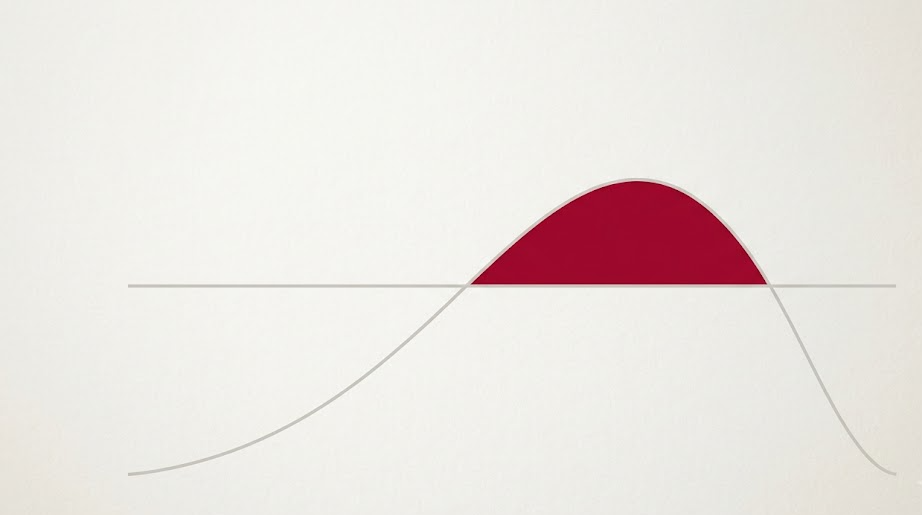
Even after the warming limit is passed, the slope of the emissions curve continues to matter. In some regions a difference of 0.1 degrees decides farming and drinking water.
China's oil consumption fell and solar installations hit a record. Cheaper renewables fill in as much as fossil fuel demand drops away. How fast this transition goes will determine the content of the "few years" the UN spoke of. The technology is in place, and the outcome depends on how quickly it is adopted.
The next checkpoint is China's third-quarter emissions figures. The key questions are whether the decline in oil consumption continues and whether consumption falls in the power sector as well. In the meantime there is something individuals can do. You can look at the electricity contract for your home or shop and see whether you can switch to a renewable energy plan.