A new UN climate report has warned that the world is likely to exceed the 1.5C warming limit. The 1.5C figure is the warming limit set by the Paris Agreement. The UN Environment Programme (UNEP) went as far as to say that the world has failed to meet this target. The focus has shifted from whether the goal will be achieved to the size of the overshoot and the path to recovery.
This is different in nature from a declaration of surrender.
For more than a decade, 1.5C has served as the benchmark indicator of climate policy. National emissions targets and corporate transition plans alike were built around that line. Crossing the line does not make the indicator disappear.
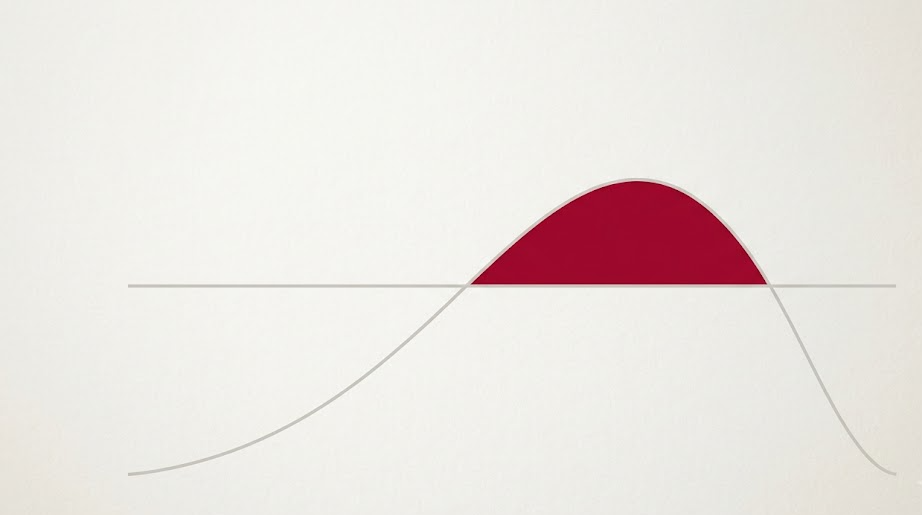
Once it has been crossed, how far it has been exceeded, and when and by what means temperatures will be brought back down, are measured on the same scale. In climate science, the term overshoot refers to a path that breaks through the limit and then returns.
Some projections put the moment of breach before the end of this decade. That means no later than 2030. The strength of the language varies. Some have flatly stated that no realistic pathway remains, while others have framed it in terms of probability, saying an overshoot is likely.
What happens while temperatures push past the limit has been a constant presence in the news. In the contiguous United States, July was recorded as the hottest month on record. Across wide areas of the same country, wildfire smoke repeatedly reached levels harmful to health.

Europe is in a similar situation. In June 2026, a heat wave struck Cologne, Germany, and cooling facilities were put into operation. This is the backdrop to the report's point that adaptation and preparedness are needed alongside emissions reductions.
Movement on the diplomatic stage has not been as swift. At the pre-COP talks hosted by Australia and held in Fiji, attendance by leaders of major countries was low. The Australian prime minister defended the turnout, arguing in effect that there was no problem.
Resignation that it is all over and optimism that an overshoot is manageable are both being voiced. In that both delay actual action, the outcome is the same. Every 0.1C reduction in the size of the overshoot lengthens the time coral reefs and ice sheets can endure, and the shorter the overshoot period, the more that can be reversed. Yet these two variables are not determined on their own; they depend on how much is cut over the next several years.
What must be weighed in the next phase is less whether the target is met than the size of the overshoot, its duration, and the feasibility of the means of bringing temperatures back down. The details of the recovery plans set out in the report are expected to take shape as countries submit their next emissions reduction targets.
There are also things readers can do right away. It is enough to check just once this week where the cooling shelters are in your own neighborhood, and what kind of alerts are issued on days when air quality is poor. The cooling facilities in Cologne and the smoke alerts in the western United States are, in the end, tools used by the people who live in those places.