Amendments to seven laws related to renewable energy and the energy transition passed the National Assembly plenary session on August 20. The Electric Utility Act and the Act on the Promotion of the Development, Use and Deployment of Renewable Energy are included here. On the same day, an amendment to the Special Act on the Expansion of the National Core Power Grid also cleared the plenary session. The Renewable Portfolio Standard, or RPS, which has held on for 15 years, will change into a contract market based on government competitive bidding.
Instead of the method in which power generation companies bought and sold RECs to meet mandatory ratios, the government will put up volumes by generation source and hold bidding. Facilities that win bids will sign long-term fixed-price power purchase agreements with the Korea Electric Power Corporation. REC issuance for new facilities will stop starting next year.
Existing facilities will not be cut off overnight. Power plants already in operation will be covered by transitional measures that keep them receiving RECs, and the REC spot market is scheduled to close on December 31, 2029, after a three-year grace period following the law's enforcement. When those three years start counting is a matter to be sorted out at the implementation stage.
The government also explained why it overhauled the system. The assessment is that the RPS did its part in increasing deployment volume but had limits when it came to bringing down generation costs and growing domestic industry. The point is to lower prices and leave behind an industry.
There is a separate provision for citizens to watch closely.
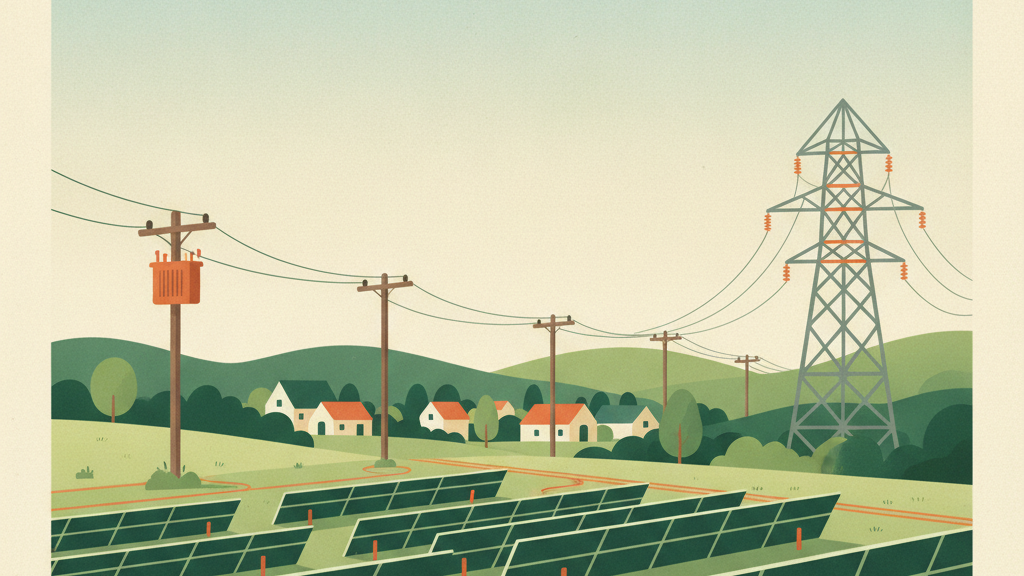
Residential participation renewable energy projects of 1MW or less pursued in areas around the national core power grid have gained legal grounds to connect to the power grid ahead of other electricity businesses. Grid connection has until now been the gate where small-scale operators were blocked most often. Grounds were also newly established for a "renewable energy shared connection facility construction project" that ties multiple generation facilities into a single connection facility. A separate market for small-scale facilities will also be operated.
The parties that can build the power grid have also been broadened. Until now the Korea Electric Power Corporation, as the transmission operator, took sole charge of the national core power grid. The amended law allows participation by private operators in cases that have gone through a resolution of the Power Grid Expansion Committee. In return, completed facilities must be handed over to KEPCO, and this provision itself is a temporary rule that lives only until December 2029.
Power generation public corporations and others will be given an obligation to install renewable energy facilities of a certain scale themselves. A special act covering employment security and job transition support for workers affected by the shutdown of coal-fired power plants, and the fostering of replacement industries in shutdown areas, was also enacted alongside.
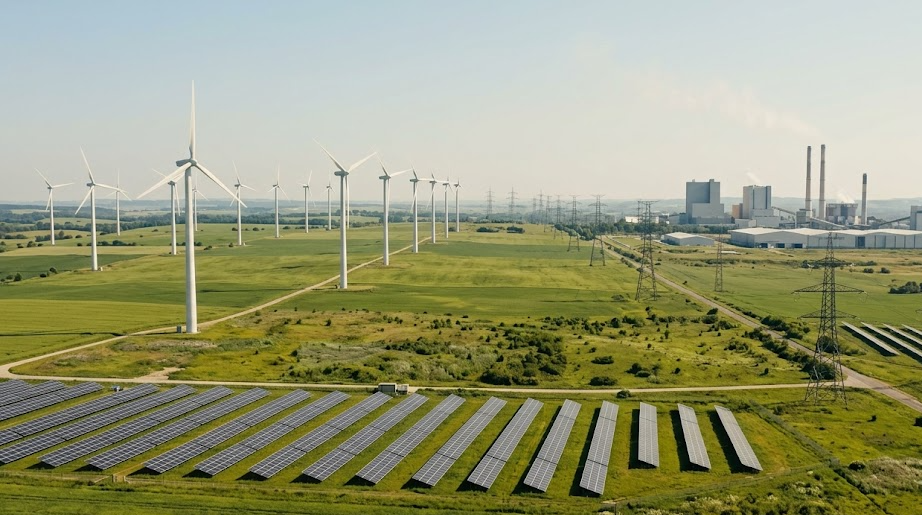
The government put forward three mega-projects to foster advanced industries in AI and semiconductors, and presented a plan to reach 100GW of renewable energy facilities ahead of schedule by 2030. Included here were policies on nuclear power and SMRs, the use of LNG, and the expansion of ESS and pumped storage generation.
Consumers' Climate Action issued a statement to mark "Energy Day." It welcomed the 100GW expansion plan but expressed concern over the policy of mobilizing fossil fuels and nuclear power together. One of the five things the group urged of the government is carrying out the 2030 target of 100GW without setbacks. Another was a demand to guarantee a "green electricity choice" that goes beyond corporate RE100 and PPAs so that ordinary citizens can also know where the electricity they use came from and choose it.
A power plant does not go up just because a law has passed. How bidding volumes will be divided by generation source, how many years contract terms will run, and how far the "surrounding areas" for residential participation projects of 1MW or less will extend are all settled in enforcement decrees and public notices.
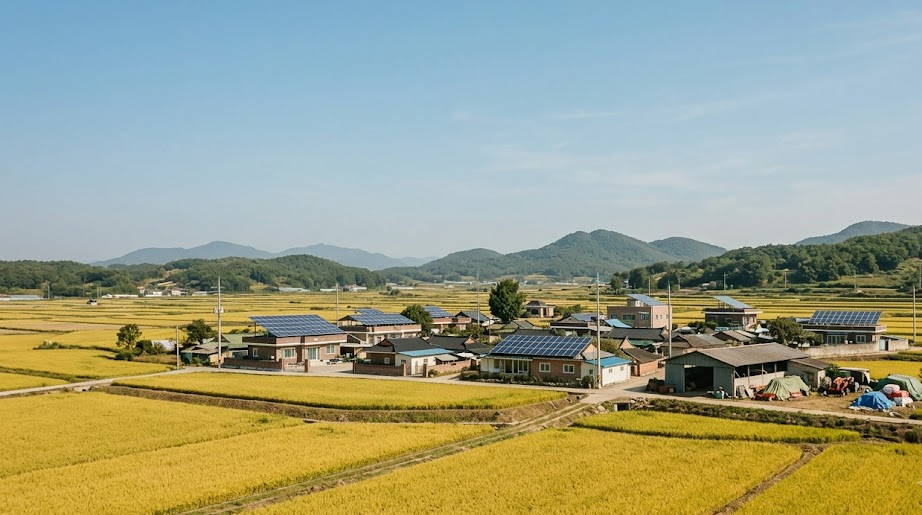
That quiet stretch is open to citizens. Enforcement decrees and subordinate regulations go through legislative notice, and anyone can submit an opinion. Whether a 1MW residential participation power plant can be put up on our village reservoir, on a livestock barn roof, on a closed school playground, the people who will make an answer to this question are in the end the people who live in that neighborhood.
The smallest thing that can be done today is to call the energy department of the area where you live and ask whether there is a plan for a residential participation project. The board has changed after 15 years, and the blanks remain unfilled.