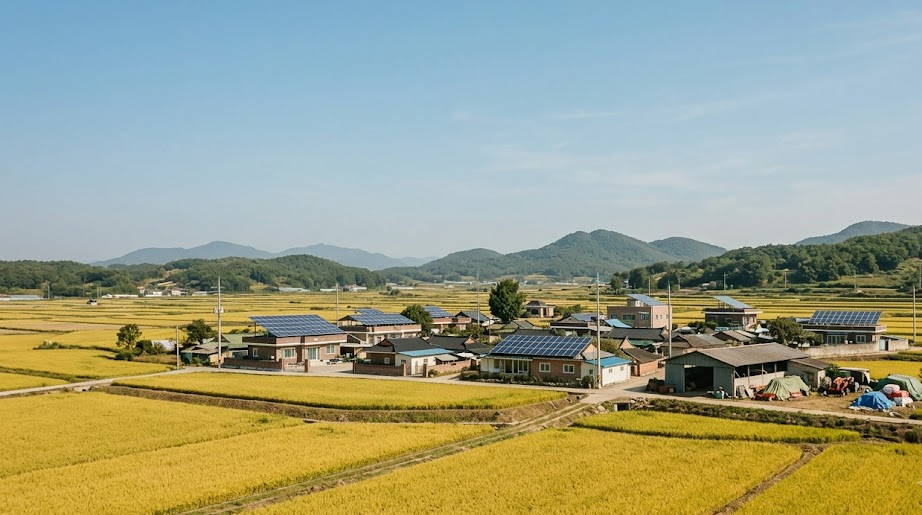
On weekend afternoons when sunlight is at its strongest, the power grid carries electricity that has nowhere to go. Samsung Electronics and Korea Electric Power Corporation (KEPCO) announced on September 1 that they are running a "smart appliance cash back" pilot program that refunds part of a household's bill when appliance use is shifted into that time slot. The aim is to make electricity consumption more efficient by encouraging households to run devices such as washing machines during hours when renewable generation is plentiful.
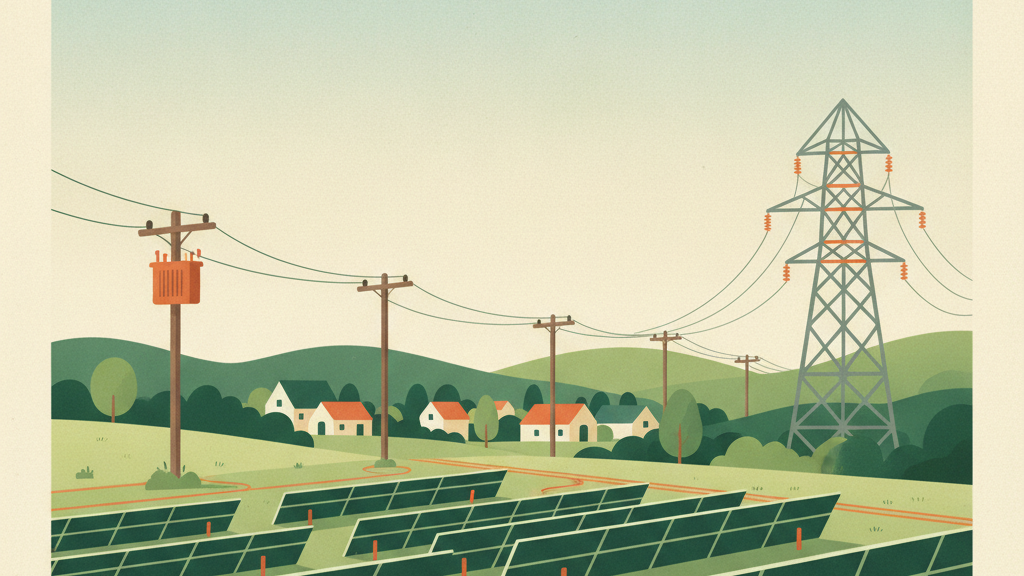
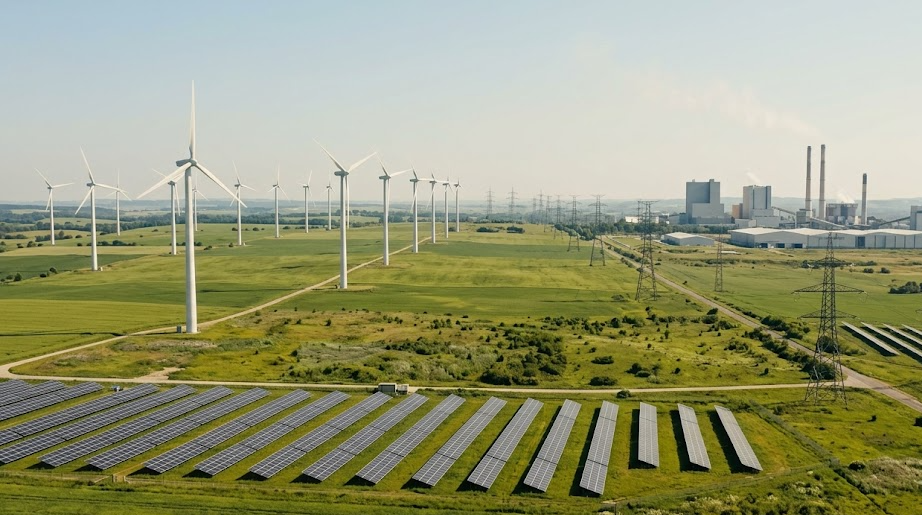
As solar power grows, the grid has to absorb a widening gap between day and night. On days like spring and autumn weekends, when factories are idle and heating and cooling demand is low, generation exceeds consumption, and output curtailment—shutting down generators—follows. It amounts to throwing away carbon-free electricity that took effort to produce, and it has long been considered a stubborn obstacle to expanding renewables. Solutions such as building more transmission lines or large-scale batteries take considerable time and money.
Nudging household routines a little later is an approach that fills the gap in between. Moving a load of laundry from the evening to Saturday morning is a change small enough not to cause much inconvenience. The cash back applies from 11 a.m. on weekends and public holidays, and the refund has been set at up to about 300 won per hour. Detailed operating rules await a final announcement.
This is not Samsung Electronics' first attempt at such an approach. The company has expanded partnerships with major overseas energy firms to jointly design electricity bill savings, and it ran a program tied to washing machine purchases with Italy's Enel. Cooperation tailored to different countries' rate structures continues as well. Smart appliances themselves also come with features that reduce a product's energy use.
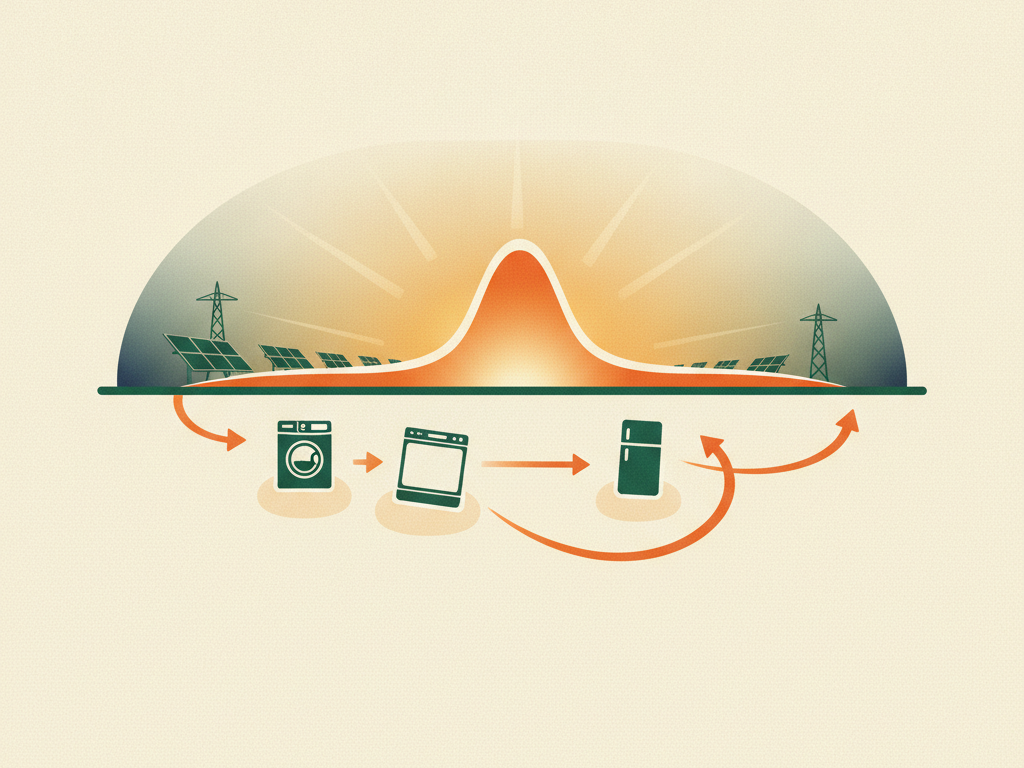
Three hundred won per hour adds up to the price of a couple of cups of coffee over a month. What matters more is that households come to develop an instinct for when electricity is clean. It is closer to training that shifts the habit of viewing power consumption only as a total volume toward viewing it broken down by time of day.
As participating households increase and data accumulates, the next stage comes into view. If the scope widens to always-on devices such as refrigerators and air conditioners, residential load itself becomes a resource that supports the grid. If designs that shift electric vehicle charging to daytime hours are introduced alongside it, the effect grows considerably larger.
Of course, a scheme like this cannot solve the renewable surplus problem on its own. Expanding storage facilities and reinforcing transmission and distribution networks remain tasks in their own right. Household participation is closer to a buffer that reduces waste while that larger construction proceeds. A small share is not therefore a dispensable one.
This weekend, it is enough to press the delay-start button on the washing machine and set it for 11 a.m. Regardless of whether you sign up for the cash back, the electricity at that hour is the cleanest electricity in South Korea right now.