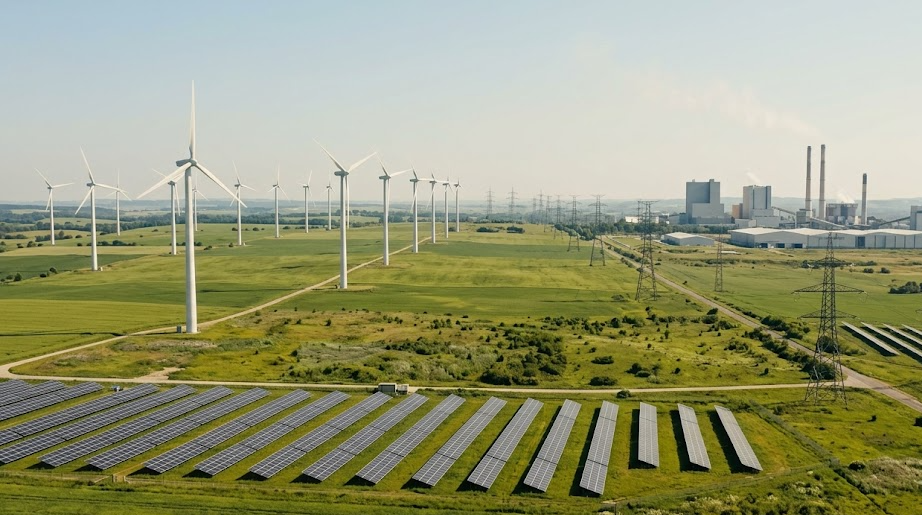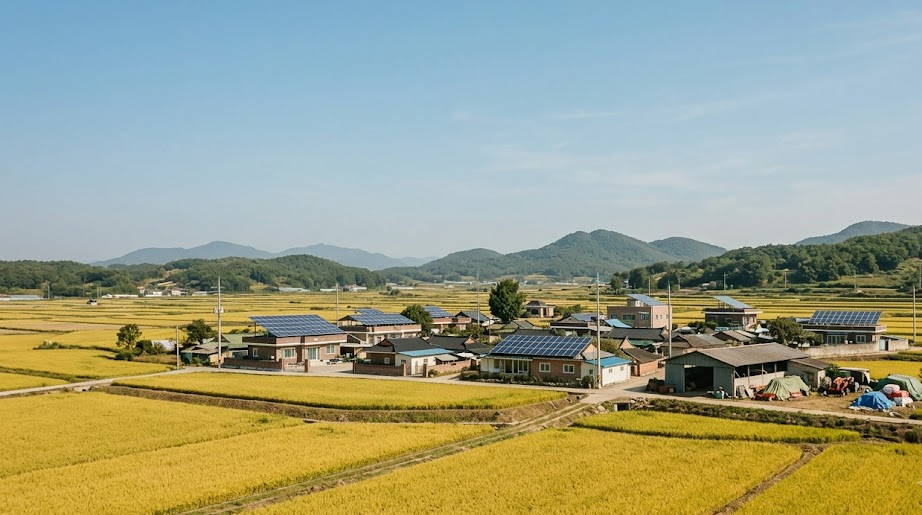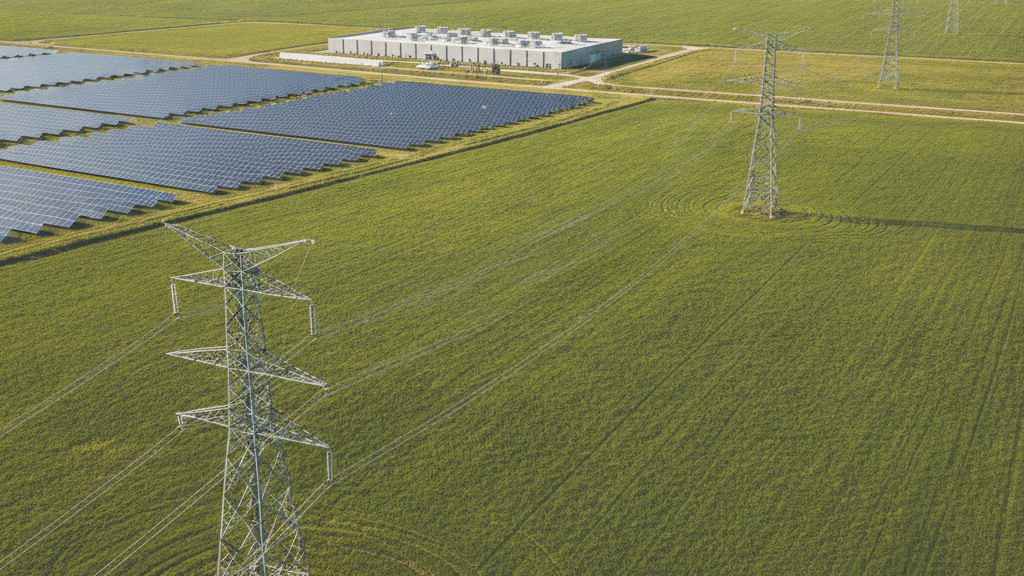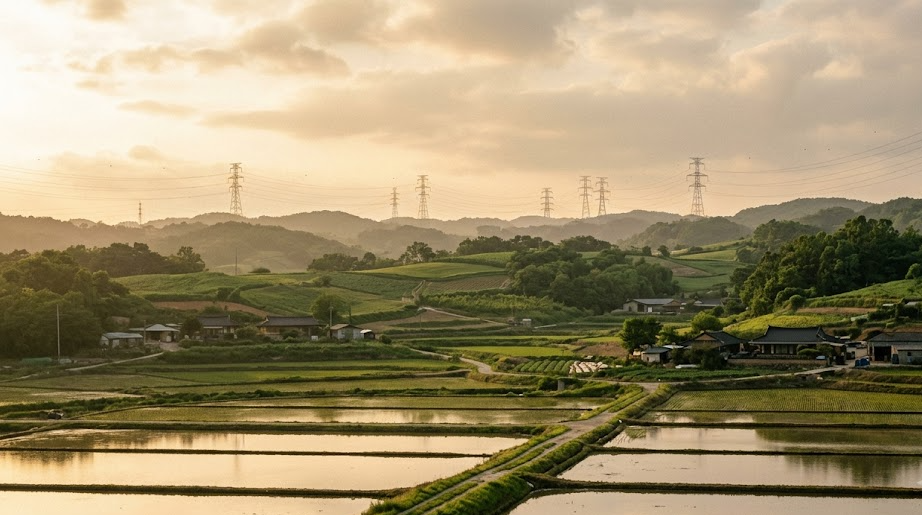

Buan, Haenam and Goheung counties have put forward renewable energy as a tool for resident income policy. The three counties announced their plans one after another on October 17 and 18. Buan said it would create a basic income fund through a profit-sharing system, Haenam said it would expand Sunlight Income Villages, which return revenue to residents, to as many as 100, and Goheung placed renewable energy development at the top of its income policy for county residents.
Buan County's policy is called the "Buan-style Basic Society." It will raise funds for basic income through a renewable energy profit-sharing system. The county will also expand rental housing for young people and public health care centered on public health centers.
It also plans to gradually widen integrated care and basic transportation vouchers. How much of the profit will be shared will become clear only when the county releases a detailed plan.
Haenam is moving village by village. The generation capacity of a single Sunlight Income Village ranges from 300kW to a maximum of about 1MW, depending on local conditions. Nineteen villages in Haenam County were conditionally selected in a government call for applications. The county is now running a third round of applications.
The government supports Sunlight Income Villages through its renewable energy financial support program.
Goheung County Governor Gong Young-min, marking 100 days in office, placed renewable energy development at the center of the county's resident income policy. He said the county would expand its innovation valley, introduce AI-based smart aquaculture, and support youth startups and technology demonstrations. Whether development revenue will be shared with residents will be determined once a business plan is released.
There is a similar move on the Nonghyup (National Agricultural Cooperative Federation) side. A Nonghyup reform plan that includes discussion of a "Regional Nonghyup Federation" contains provisions creating a legal basis for Nonghyup to run renewable energy businesses in rural areas.
Every effort to expand renewable energy has been held back by local acceptance. Complaints that power generators stand in villages while revenue flows outside fueled opposition. The three counties aim to reduce reasons for opposition by turning that revenue over to residents. Success depends on how much Haenam's 100-village target and Buan's basic income fund actually put into residents' bank accounts.
Haenam's third round of applications is now under way. Villages seeking to apply must first determine whether they can install facilities of 300kW or more.