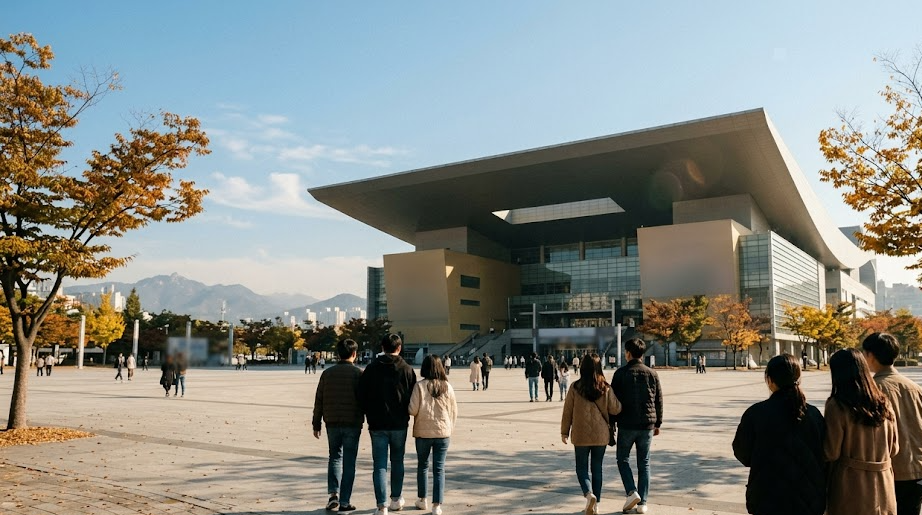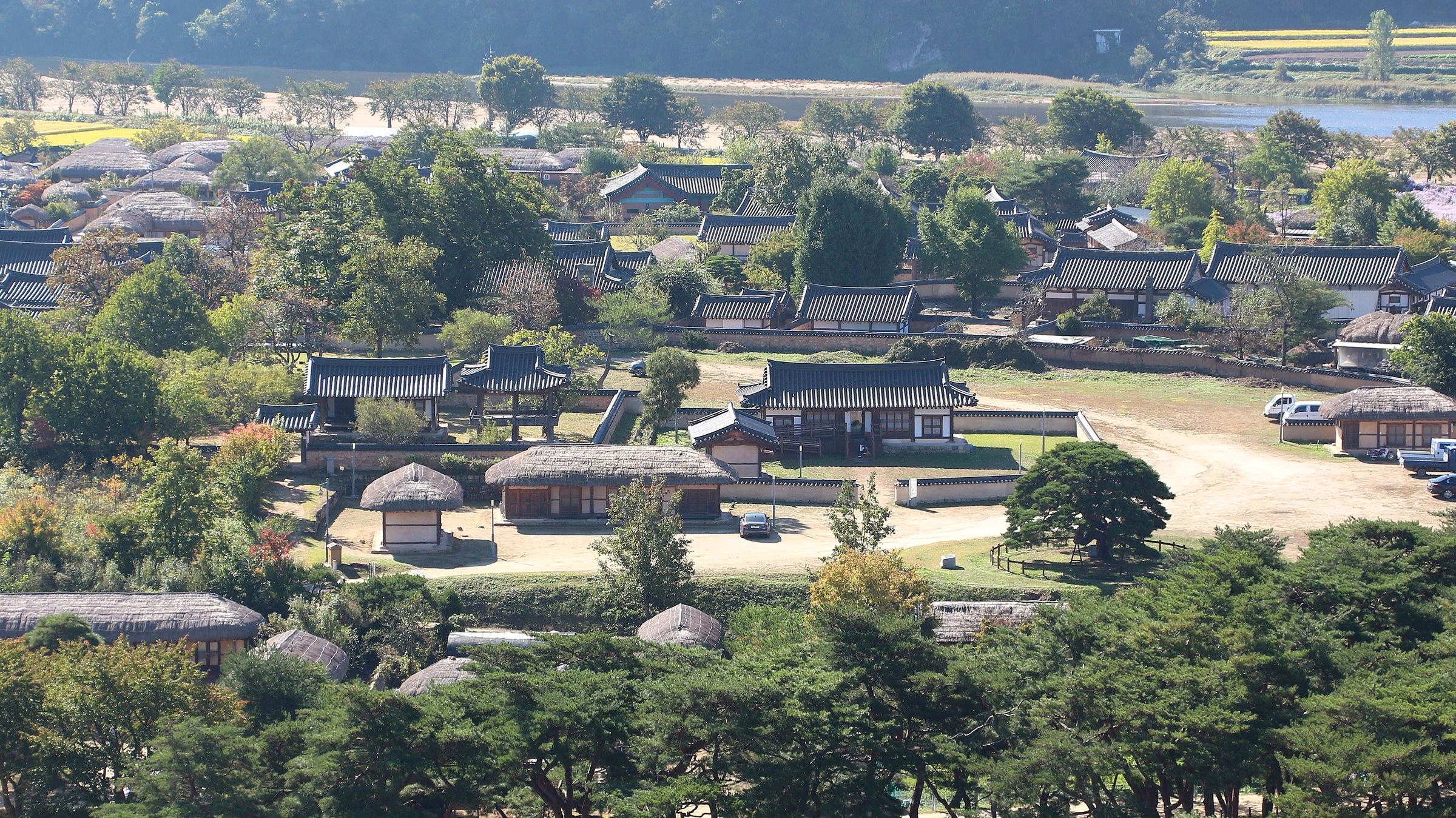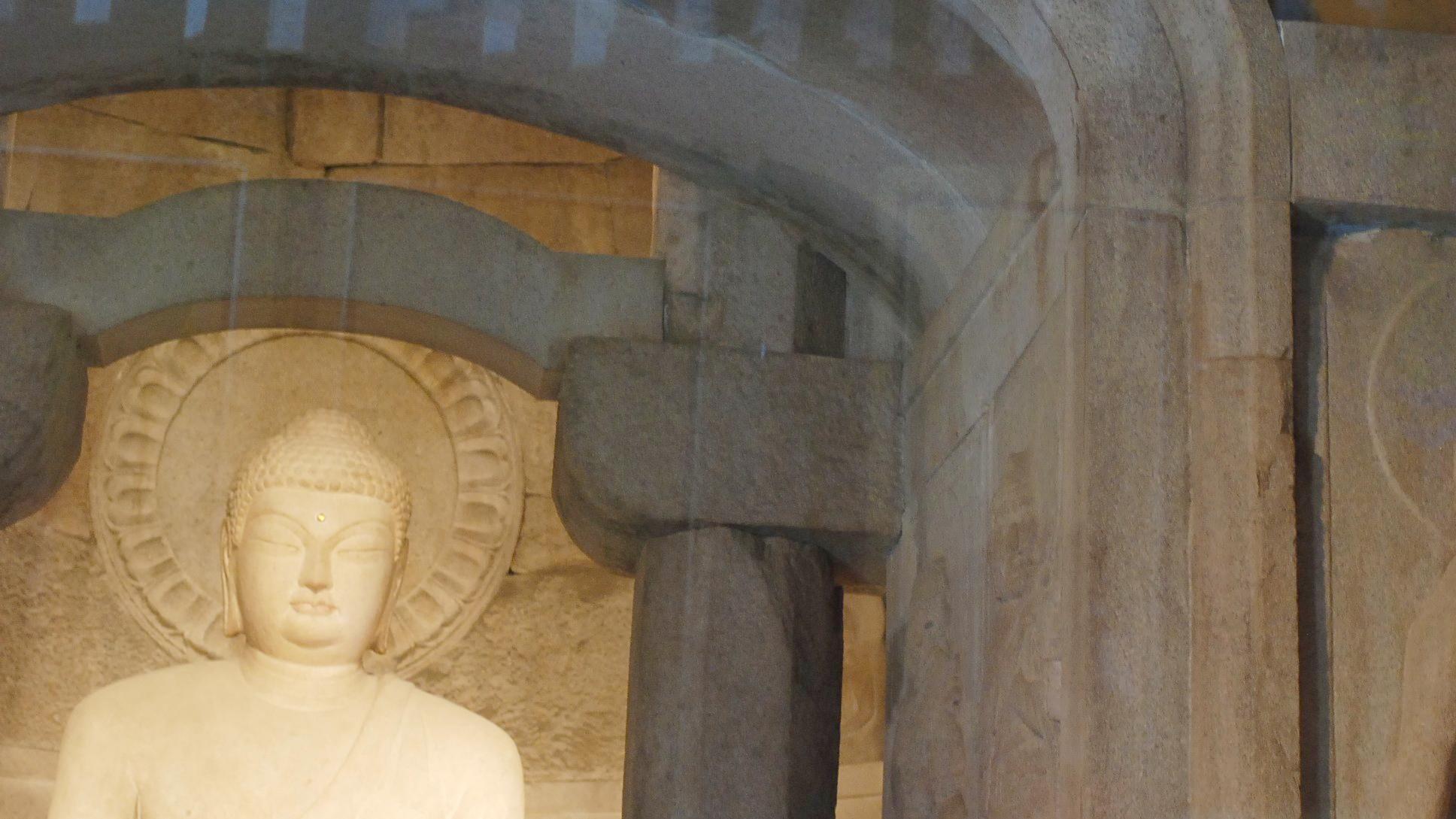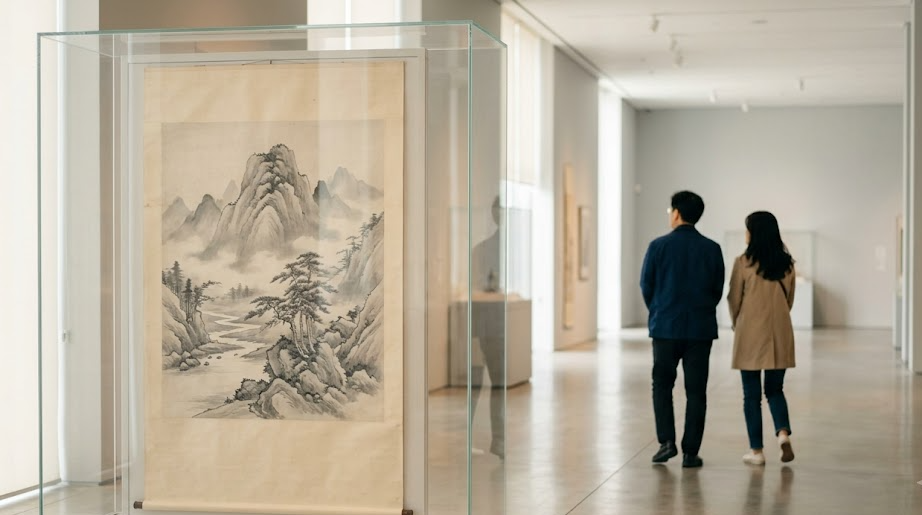
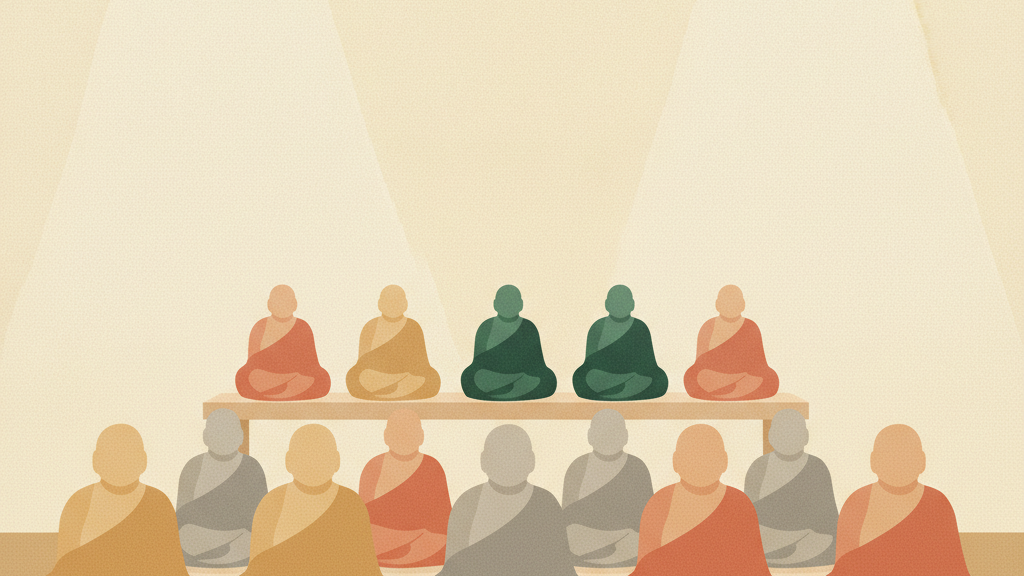
Several special museum exhibitions held to coincide with this year's Chuseok holiday closed on September 27. One exhibition is still open to visitors after the holiday. It is 'Return to the Sanctuary, Arhats of Seogosa Temple in Jeonju' at the Jeonju National Museum. The exhibition, which brings the 16 arhat statues of Seogosa Temple together in one place for the first time in 22 years, runs until November 29.
Chuseok Day fell on September 25 this year. The Jinju National Museum closed on the 25th, and the National Museum of Korea's special exhibition 'Our Table' welcomed visitors free of charge on every day of the holiday except the 25th.
'Our Table' is an exhibition that surveys the history of a single meal. It opens with charred rice grains from the prehistoric era. Paintings by Kim Hong-do of the Joseon Dynasty and works by modern-era painter Park Soo-keun are also on display.
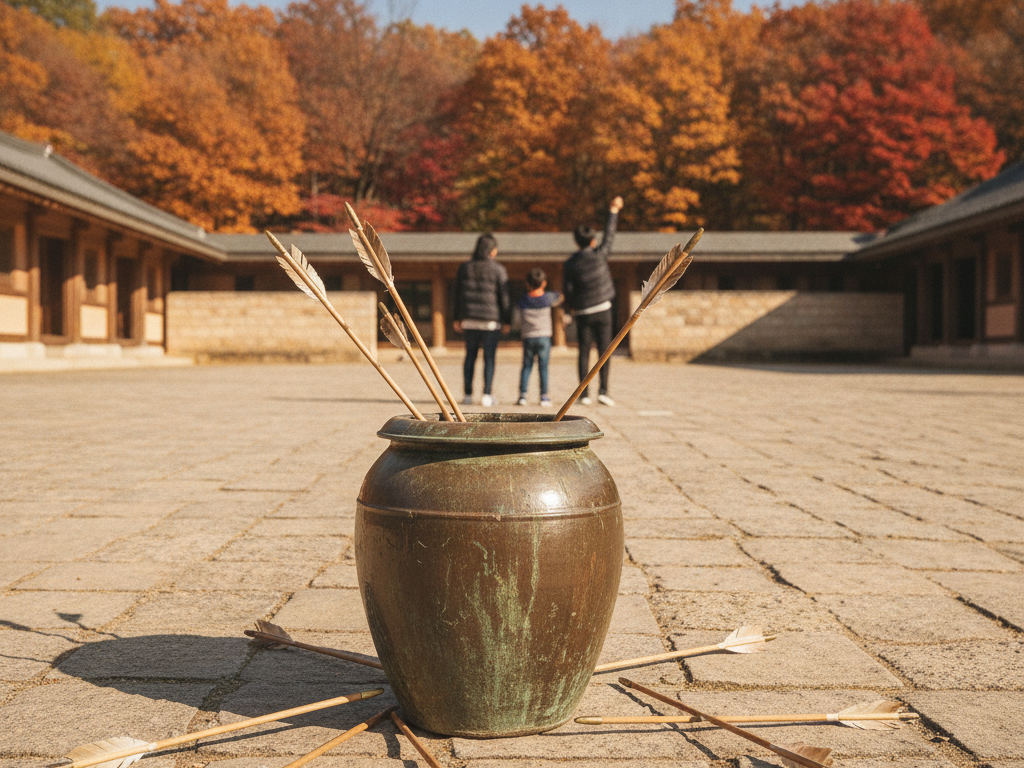
In Jinju, games took center stage. The Jinju National Museum held a Chuseok cultural festival from September 24 to 27. Areas for tuho (arrow throwing), ring tossing and jegichagi (shuttlecock kicking) were set up in the museum's front yard. The museum also offered programs themed on the Imjin War and viewings of its special exhibition.
The Gwangju National Museum ran Hangawi activities for families on September 26 and 27, the last two days of the holiday. The program included crafting activities linked to its special exhibition.
Daegu and Incheon brought out people and clothing from the past.
The Daegu National Museum held 'Painting Our Clothes: Costume Portraits Donated by Artist Kwon Oh-chang' in Special Exhibition Galleries I and II until September 27. The exhibition featured 121 entries comprising 137 pieces. Actual costume artifacts were displayed alongside Kwon Oh-chang's costume portraits. The exhibition was arranged so that visitors could compare the clothes in the paintings with the fabrics in the display cases at a glance.
The Incheon Metropolitan City Museum presented 'Incheon's Intellectuals Who Illuminated Joseon' in its second-floor special exhibition gallery until September 27. It called up figures who were born in Incheon or settled there during the Joseon Dynasty.
A look at this year's Chuseok museum programs shows the themes evenly divided. Seoul took the dining table, Jinju took games, Daegu took clothing and Incheon took local figures. Pieces of a holiday once observed within the home have been scattered out into public exhibition halls. To read this as evidence that holiday customs themselves have changed, one would need to examine holiday visitor counts together with scenes of ancestral rites in households.
The Jeonju exhibition has a somewhat different character. The arhat statues were originally objects of worship at the temple. Reuniting the 16 statues for the first time in 22 years is a welcome achievement from a conservation standpoint. However, the place where the statues now stand is a museum display case.
Visitors to the Jeonju National Museum until November 29 can see the 16 arhats of Seogosa Temple in a single space. Those who want to spend time with each statue should allow plenty of time.