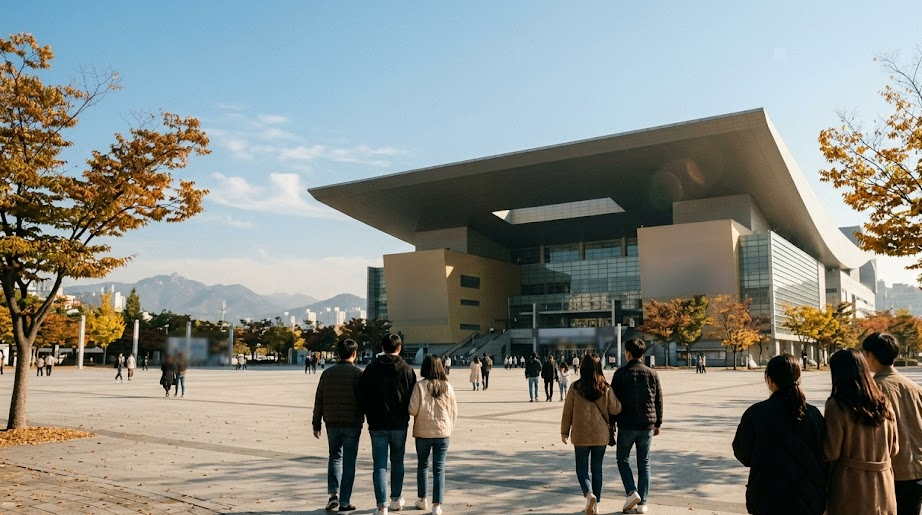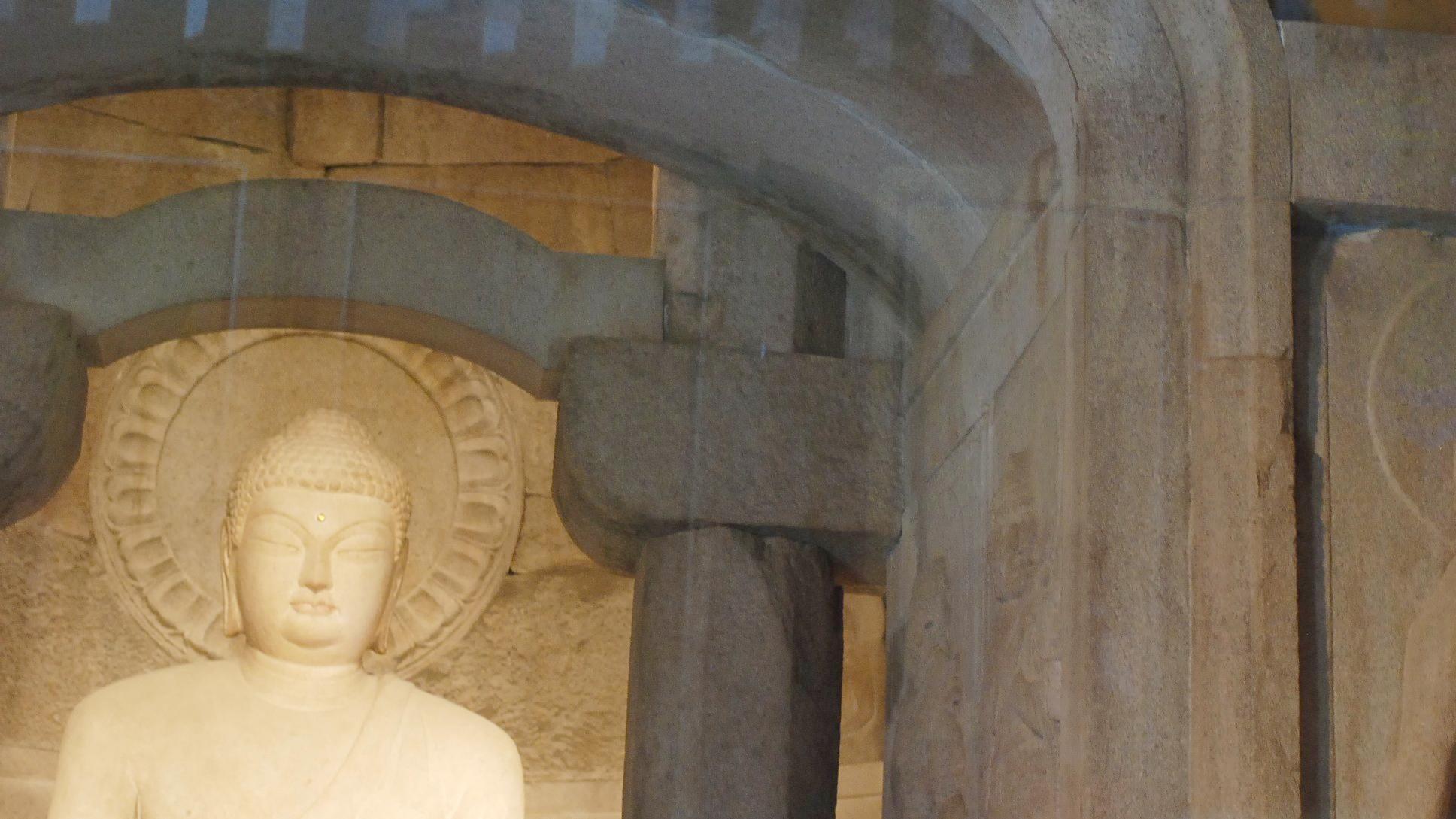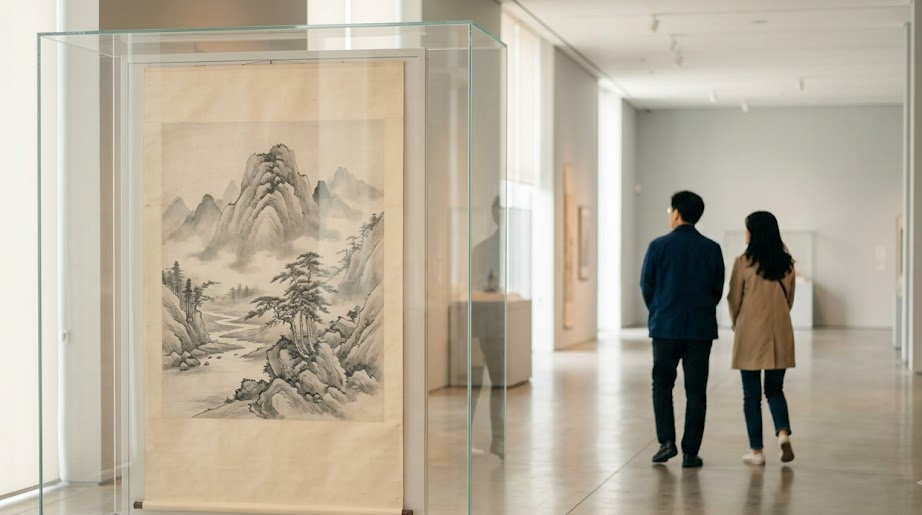
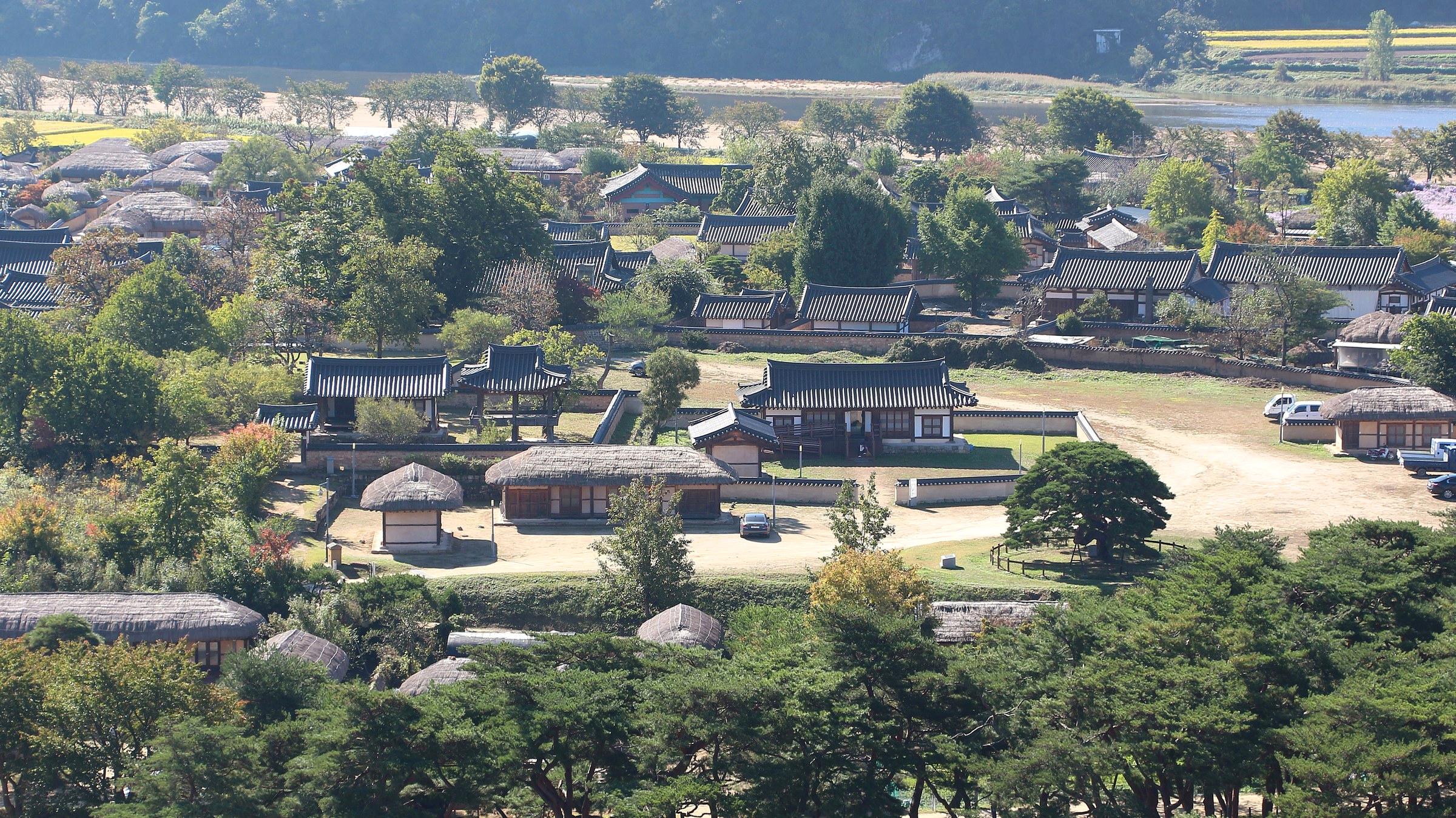
The 2026 World Heritage Festival opens in Andong on the 9th. Its stage is Andong's four World Heritage sites. Hahoe Village and Byeongsan Seowon are among them. This year's theme has been set as 'World Heritage of Contemplation, Future Value of Consilience.'
The festival is an event to commemorate Korea's World Heritage inscriptions and share their value with the public. Gyeongsangbuk-do Province has held the event every year since 2020 after going through an open call by the Korea Heritage Service. Last year's stage was Gyeongju. This year it has moved to Andong.
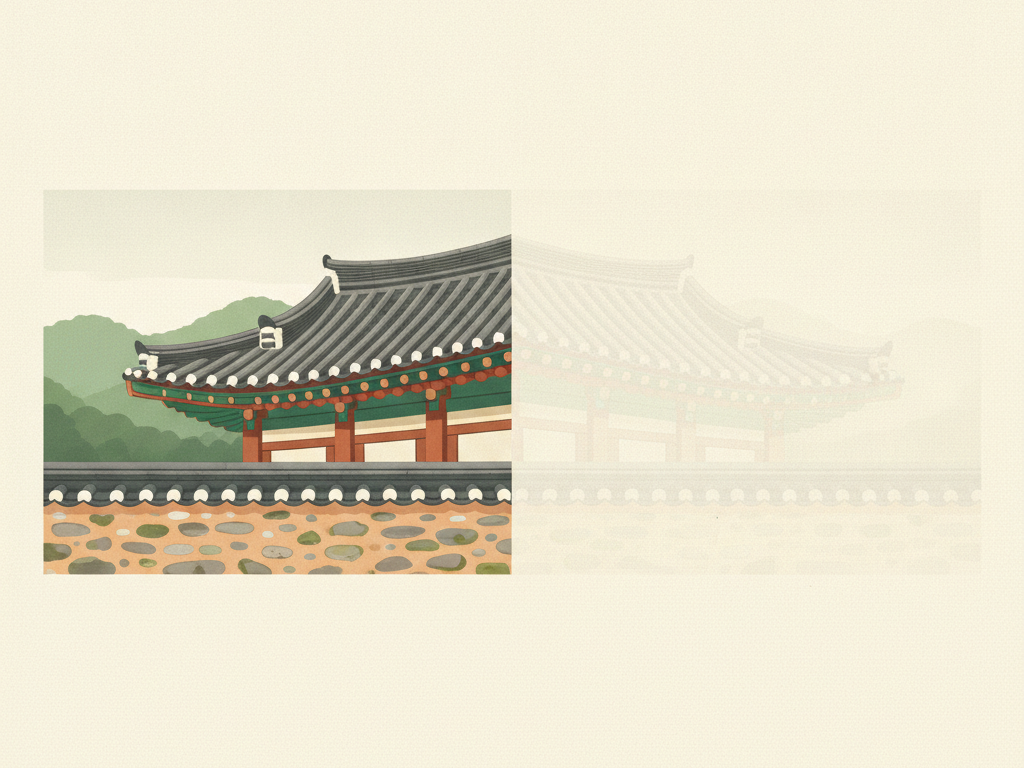
The earthen walls of Hahoe Village crumble when touched by hand. It is the result of earth tamped with straw taking wind and rain for more than a hundred years. Sit up on the Mandaeru pavilion at Byeongsan Seowon and the grain of the wooden floor catches on the soles of your feet. Through the seven bays open toward the river come the sandbank and the color of the water, and in summer something like the smell of paper mixes into that breeze.
So the format of a festival calls for care. Inviting people and withstanding those people's footsteps are both contained in one event. A period of 17 days is not short.
In the same year, names that disappeared from the list also appeared in print. Germany's Dresden Elbe Valley was inscribed as World Heritage in 2004 and deleted in 2009. The controversy over whether a bridge broke the integrity of the cultural setting was never resolved. Britain's Liverpool Maritime Mercantile City also remains a case cited after the effects of large-scale development accumulated.
In Dresden's case, the argument that the bridge was needed also had grounds. Traffic was a matter of everyday life. Local residents chose construction by vote. The World Heritage criteria did not accept that choice.
The festival celebrating inscription and the loss of inscription both play out over the same condition, 'integrity.' When people are invited, heritage becomes known, and when it becomes known, its surroundings change. How far the changed surroundings could be allowed was decided in Dresden.
Similar concerns exist close to home. Gimhae City, while pushing ahead with a nighttime lighting event at the Royal Tomb of King Suro, is extending nighttime viewing routes to the Daeseong-dong Tombs, which are inscribed as World Heritage. A citizen participation parade and a culture market are also attached. Raising lights over the tombs is not simple from the standpoint of preservation.
The festival starts on the 9th and runs for 17 days. The four sites serving as its stage are all heritage sites open year-round. Visitor routes and preservation measures during the event are managed by Gyeongsangbuk-do Province and the Korea Heritage Service.