Korea Electric Power Corporation (KEPCO) has chosen Seongsong-myeon in Gochang-gun, North Jeolla Province, as the final site for the 345kV Sin-Gochang Substation. The decision was confirmed as of September 8. For anyone used to the picture of a region splitting apart over transmission grid facilities, it may seem unfamiliar. Residents of Seongsong-myeon brought this substation in themselves.
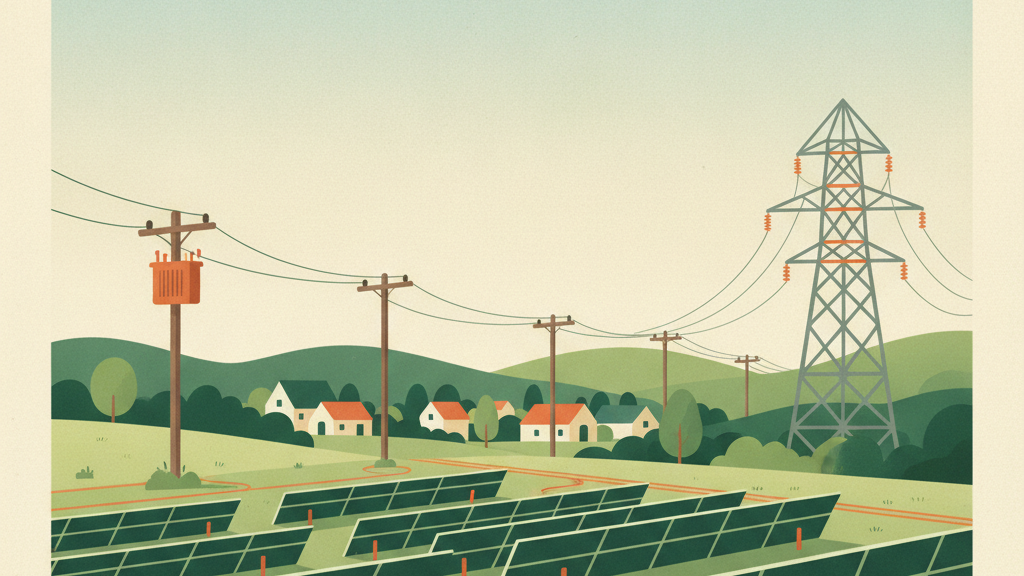
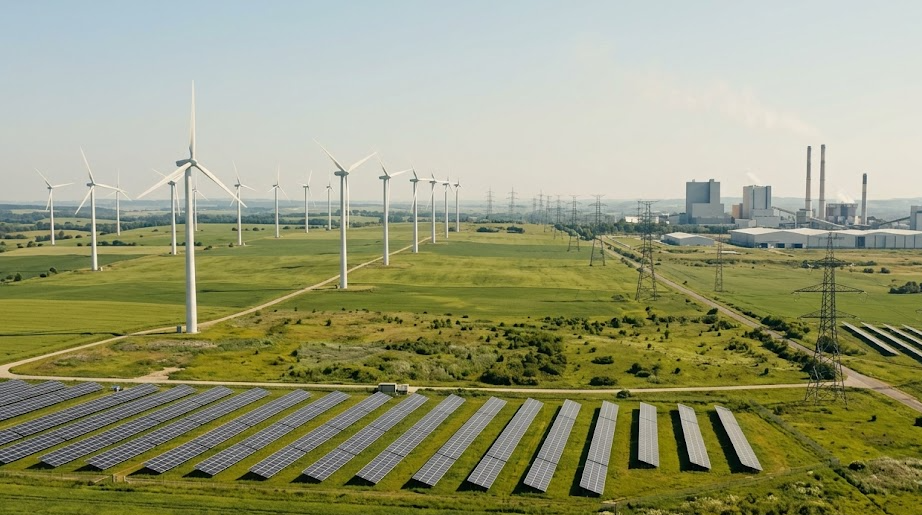
A substation is not a facility that draws attention. It does not produce anything the way a power plant does, and it does not photograph well the way a solar panel does. Yet without this facility, expanding renewable energy cannot move a single step. A substation is where electricity generated across North Jeolla Province is gathered, converted to a different voltage, and sent on.
KEPCO held about 20 project briefing sessions for residents of the project area.
The sessions covered what a substation does and why it is needed, what effect the facility would have on attracting businesses and creating jobs, and what the region stands to gain as renewable energy grows. That has a different feel from attempts to secure consent through a single residents' meeting. Sitting down at the same table more than 20 times is closer to negotiation than to persuasion.
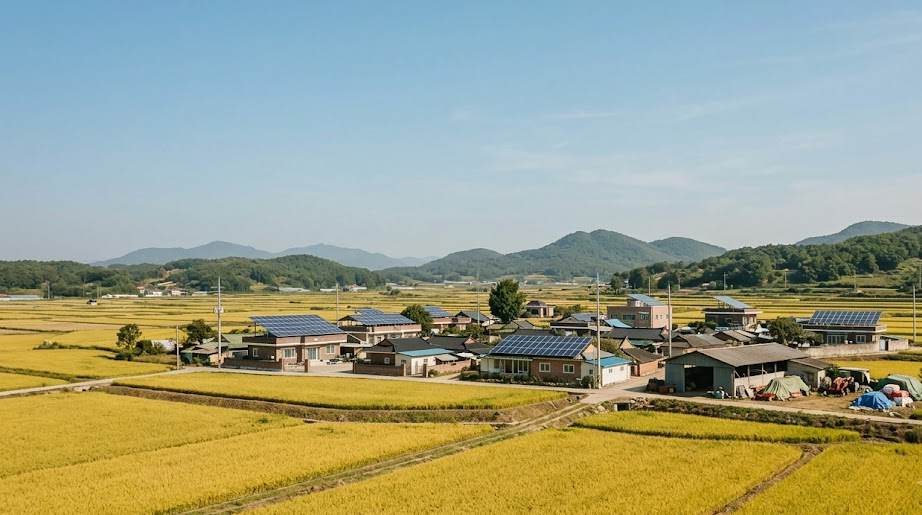
As the background to Seongsong-myeon accepting this facility, interpretations both inside and outside the region point to it as a way to break through population decline. In a rural myeon-level community where people are leaving, large infrastructure is a risk factor and at the same time a reason to draw in businesses. Population statistics or details of the attraction process that would support this interpretation have not yet been made public.
That power lines are the bottleneck blocking the expansion of renewable energy has long been common knowledge in the industry. Solar facilities have been built, but with no route to carry the power, idle capacity piles up. The Sin-Gochang Substation is likewise a facility tied to the North Jeolla regional grid.
No formula has emerged that other regions can copy as is. Whether any residents voiced opposition, under what legal framework and in what amount support funds will come in, and when construction will begin. These things need to be filled in for the Seongsong-myeon case to become a model. If the time is spent sitting down together more than 20 times, the conclusion can turn out differently.
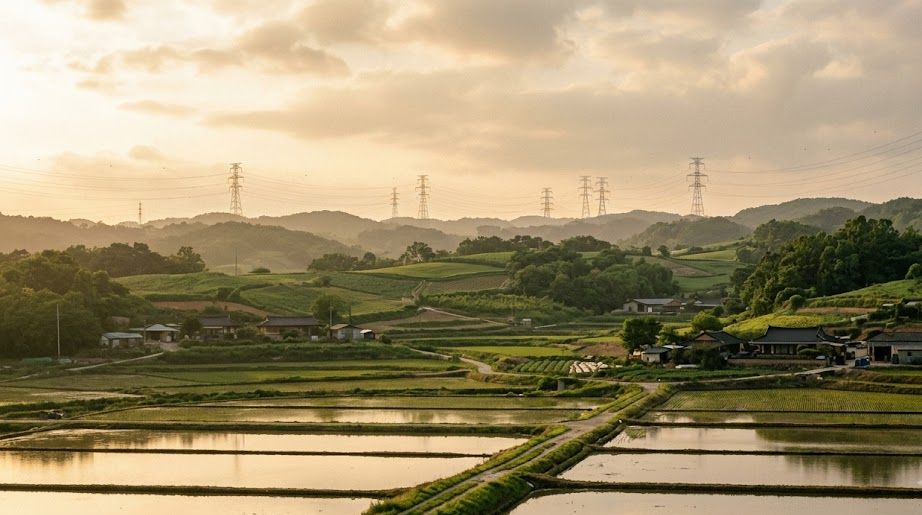
A substation must, in the end, stand next to someone's village. As long as the side using the electricity and the side taking on the facility are different, this problem will keep coming back. If a transmission line or substation plan is pending in the area where you live, we suggest looking up the notice for the residents' briefing session.