The 48th session of the UNESCO World Heritage Committee decided on the second-phase expansion of the inscription of the "Getbol, Korean Tidal Flats" at its meeting at BEXCO in Busan on July 25. Four tidal flats, Seosan in South Chungcheong Province and Yeosu, Goheung and Muan in South Jeolla Province, were added to the existing property. The component sites increased from four to six. It has been five years since the first inscription in 2021.
The form of this decision is not a new inscription. It is approval of a "significant boundary modification" that widens the boundaries of an existing World Heritage property. It is the result of carrying out over five years the expansion procedure that the Committee recommended when it confirmed the inscription in 2021.
The reorganized serial property is made up of the Boseong-Suncheon-Yeosu-Goheung Tidal Flat, the Sinan-Muan Tandoman Tidal Flat, the Muan Hamhaeman Tidal Flat, the Gochang Tidal Flat, the Seocheon Tidal Flat and the Seosan Tidal Flat. The Sinan-Muan Tandoman Tidal Flat is the largest at 117,570 hectares, and the Muan Hamhaeman Tidal Flat is the smallest at 4,200 hectares. The newly added property area is about 27,975 hectares and the buffer zone 24,795 hectares, according to the Korean Tidal Flats World Heritage Inscription Promotion Team.
The reason cited by the Committee was the Yellow Sea.
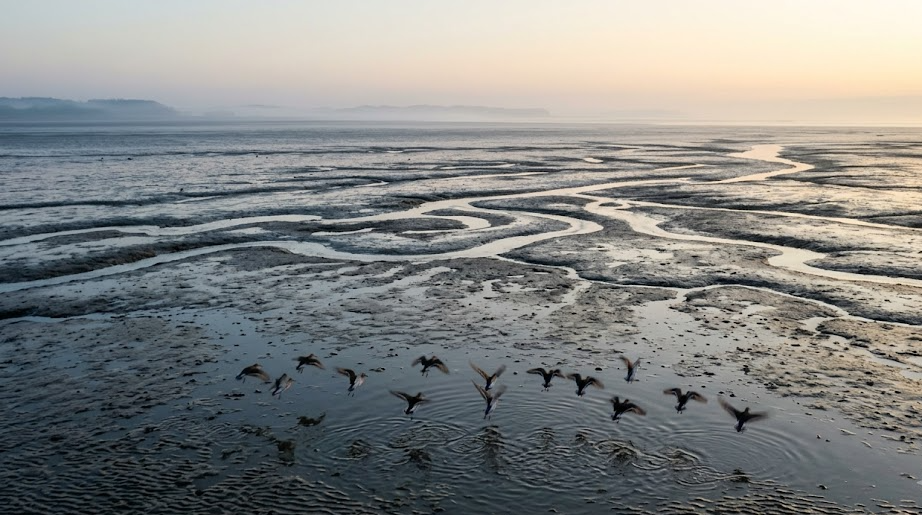
Its assessment is that the Korean tidal flats are an important natural habitat for conserving the biodiversity, endangered species and endemic species of the Yellow Sea region. To this it added that, as a key habitat on the East Asian-Australasian Flyway (EAAF), the flats contribute to the conservation of internationally important migratory waterbirds and marine life. The IUCN also regards the Korean tidal flats as a major stopover site on this flyway.
The Seosan Tidal Flat, the northernmost of the additions, lies in Garolim Bay. Spotted seals visit it regularly, and some 170 bird species have been confirmed there, including the black-faced spoonbill, the Chinese egret and the far eastern curlew. The Yeosu Tidal Flat is home to six legally protected species such as the mud crab Chasmagnathus convexus, the red-clawed crab and the white-clawed fiddler crab. The Goheung Tidal Flat has 726 species living in it, and the Muan Hamhaeman Tidal Flat is a place where 17 globally endangered bird species stay.
While recognizing that the tidal flats have gradually recovered by the force of nature as reclamation halted under the Tidal Flat Act enacted in 2019, the Committee asked that the effects of surrounding development, marine pollution, the construction of wind power complexes and climate change continue to be monitored.
The tasks remaining over the scope of the inscription are also clear. The tidal flats of Ganghwa, Songdo and Yeongjongdo in Incheon, Hwaseong in Gyeonggi Province and Gunsan in North Jeolla Province, recommended for additional inscription since 2021, were not included this time. Citing the IUCN's recommendation, the Committee said that to fully capture the outstanding universal value, expansion to other tidal flats should be considered beyond the second phase. Civic and environmental groups held a press conference in front of BEXCO and called for a third phase that would include the tidal flats of Busan, Incheon and Gyeonggi.
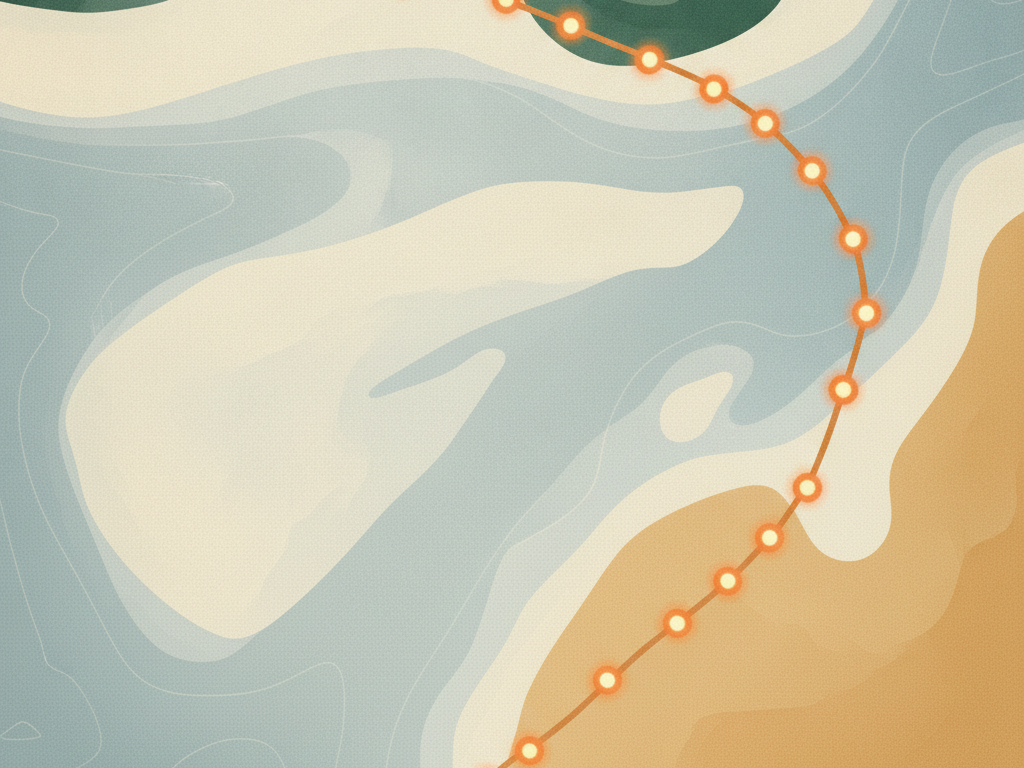
Huh Min, administrator of the Korea Heritage Service, said right after the inscription that it was an achievement that strengthened the value of biodiversity conservation and the integrity of the property. The Korea Heritage Service has worked with the Ministry of Oceans and Fisheries, the Ministry of Foreign Affairs, the local governments concerned, the Korean Tidal Flats World Heritage Inscription Promotion Team and local residents to incorporate the new areas and set the buffer zones. The promotion team described this expansion as a process of organically connecting the habitat routes of migratory waterbirds, strengthening the protection system for the tidal flats along the Yellow Sea coast and filling in ecological continuity.
Conservation does not take place only inside the inscribed boundary. The Taeanhaean National Park Office in South Chungcheong Province signed an agreement on marine ecosystem restoration and climate change response with the Blue Carbon Project Group of the Vegetation Mat Industry Cooperative on July 20. It covers the installation of facilities to expand marine carbon sinks and joint monitoring. They will expand the salt marsh restoration using oyster shells whose effectiveness was confirmed in a 2025 pilot project, and will also develop a Korean-style Lahnung applying the German Lahnung method.
When the inscription ends, the watching begins. Development, pollution, wind power and climate, the monitoring items the Committee requested, are all forces pressing in from outside the tidal flats. The eyes that measure how far those forces have come are on the ground in Seocheon and Gochang, Sinan and Suncheon.
Checking the tide table and giving up a day to a tidal flat observation program in Seosan or Muan, or adding a line of observation records to local monitoring activities, is something anyone can do.