The Ministry of Climate, Energy and Environment announced its first-year results on the 5th. The items the ministry highlighted are the establishment of the 2035 Nationally Determined Contribution (NDC), the expanded adoption of electric vehicles, and the transition to a plastic-free, circular economy. Electric vehicles surpassed a cumulative 1 million units as of April 2026, and the share of electric vehicles among new cars was presented at around 22%.
The government finalized the 2035 NDC in November 2025. It calls for cutting greenhouse gases by 53-61% by 2035 against net emissions in 2018.
The adoption record is clear in the figures. Annual electric vehicle adoption in 2025 reached 221,000 units, a record high, and first-quarter results in 2026 came to 85,533 units, up 50% from the same period a year earlier. The domestic share of electric buses also rose from 45.8% in 2023 to 66.3%.
Yet whether that 66.3% is based on 2025 or on this year is marked inconsistently even within the announcement materials. On the timing of the 1 million-unit milestone as well, an explanation specifying April appears alongside an explanation giving only the cumulative total without a date.
The share of paid allocation of emissions permits in the power generation sector rises from 10% in 2025 to 15% in 2026, and a policy is in place to expand it to 50% by 2030. In the power sector, institutional improvements such as K-RE100 and the special act on agrivoltaics have been made, while building a next-generation distributed power grid and phasing out coal-fired generation are pending as the next tasks. In the recycling area, the scope of the Extended Producer Responsibility (EPR) system for electrical and electronic products will widen from the existing 50 categories to all items, and a system will be created to collect all waste home appliances free of charge. The plan for the transition to a plastic-free circular economy, announced in April, set as its core a reduction of more than 30% in the use of naphtha-based virgin plastic against the projected volume of waste plastic generation by 2030.
Whether the domestic production base has grown as much as adoption has increased has not been confirmed.
Kim Sung-hwan, minister of climate, energy and environment, said in late April that if Korea withdraws from the solar market, China will take over the global market. The government is pushing a plan to increase the use of domestic modules and inverters in the subsidy program for installing solar power facilities, and the National Assembly, in passing a supplementary budget bill for responding to the energy crisis, attached a supplementary opinion recommending the use of domestic modules. What form this plan will take, such as a revision of public notices, and when it will apply depend on follow-up procedures.
From 2001, the feed-in tariff (FIT) system, which applies different base prices by energy source, was introduced in stages, and in December 2003 the expansion of adoption began in earnest on the basis of the First Basic Plan for New and Renewable Energy Technology Development, Use and Deployment. While adoption policy has continued for more than 20 years, expanding the manufacturing base has been presented as a task this time.
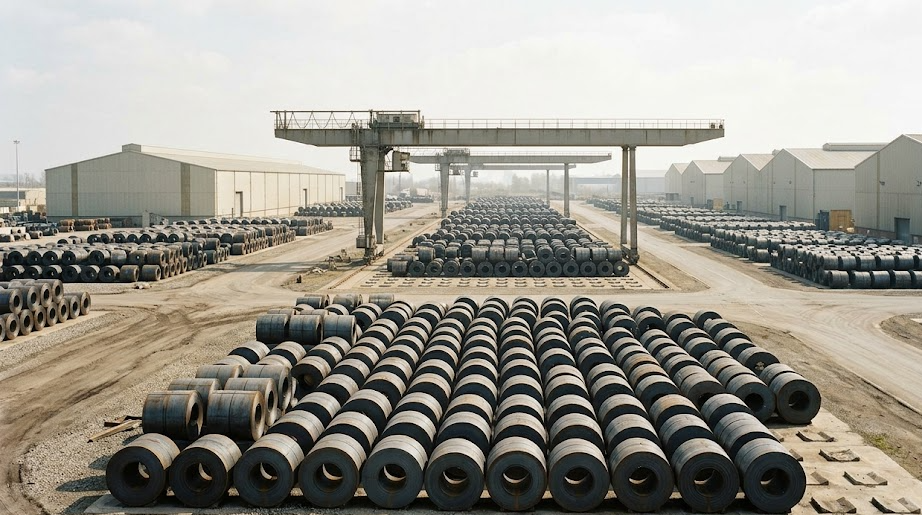
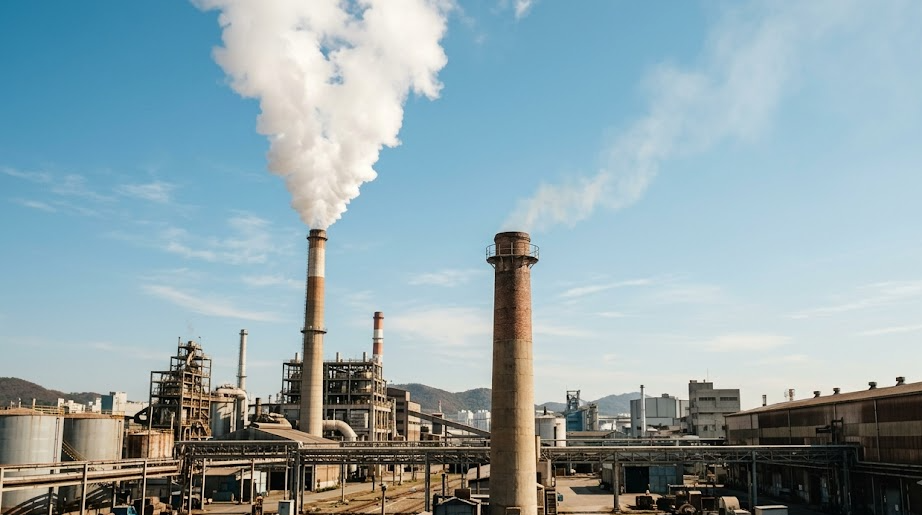
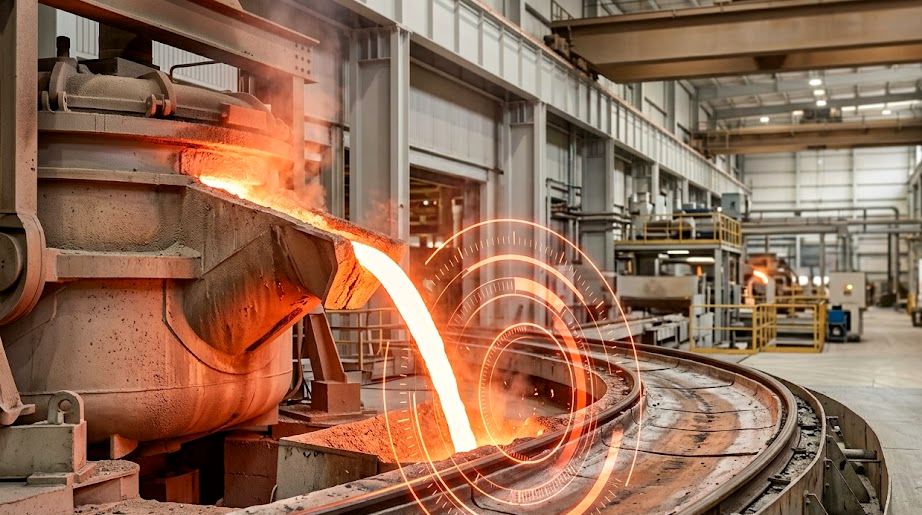
The burden on industry has not been sorted out either. Energy-intensive sectors such as steel, petrochemicals and oil refining say that stronger reduction targets increase pressure on facility investment and production costs. President Lee Jae-myung asked at a cabinet meeting that the decarbonization targets be implemented while striking a balance so that industrial development and the attraction of regional companies move together. Minister Kim reported at the May 20 cabinet meeting that since the ministry's launch it had proposed a 2035 carbon reduction target to the UN and newly designed transition pathways for the energy, transport and building sectors.
Governance was also reworked. Prime Minister Kim Min-seok chaired the first plenary meeting of the National Committee on Climate Crisis Response at the Government Complex Seoul on May 29. Lee Chang-hoon, the civilian chair, serves as co-chair.
Based on the 28 newly appointed civilian members, the share of youth members rose from 8.3% to 17.2%, and the share of women members from 38.9% to 48.3%. Prime Minister Kim said that following the establishment of the 2035 NDC, results such as increased adoption of solar power and electric vehicles through expanded fiscal investment and institutional improvements have begun to become partly visible, but that change the public can feel is what matters.
At the same meeting, the plan for the "Sunlight Link School" project to install solar power at national and public elementary, middle and high schools nationwide and the operating plan for the "Climate Citizens' Assembly" under the climate response committee were discussed together.
The government decided to release the K-GX (Korean-style green transition) strategy within the first half of the year, and in the second half to draw up in turn the 12th Basic Plan for Electricity Supply and Demand, the Second Basic Plan for Carbon Neutrality and Green Growth, and sector-by-sector carbon reduction roadmaps. How the sector roadmaps divide the investment burden for steel and petrochemicals, and whether the electricity supply plan contains a picture of where solar facilities will be sourced, become the yardstick for assessing the next year.