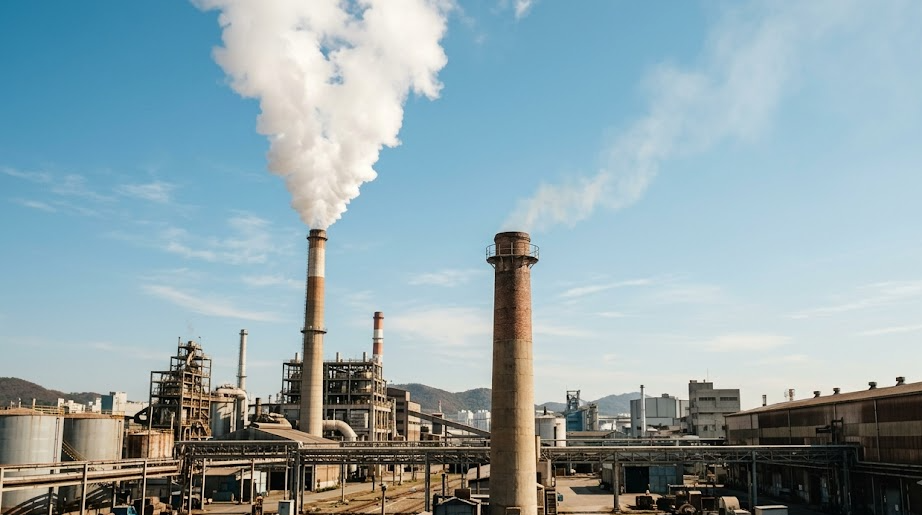
Korea's total greenhouse gas emissions fell 0.9% last year from a year earlier. It is a preliminary figure released on Sept. 21, 2026. On the same day, a figure also came out showing that 149 million tons more must be cut by 2030 to meet the 2030 Nationally Determined Contribution (NDC).
Reduction efforts in the industrial and transport sectors were cited as factors in the decline. How much each sector cut was not included in the explanation of this preliminary tally. Because it is a preliminary figure, the 0.9% margin could still be adjusted in the final tally.
The response the government put forward is industry restructuring.
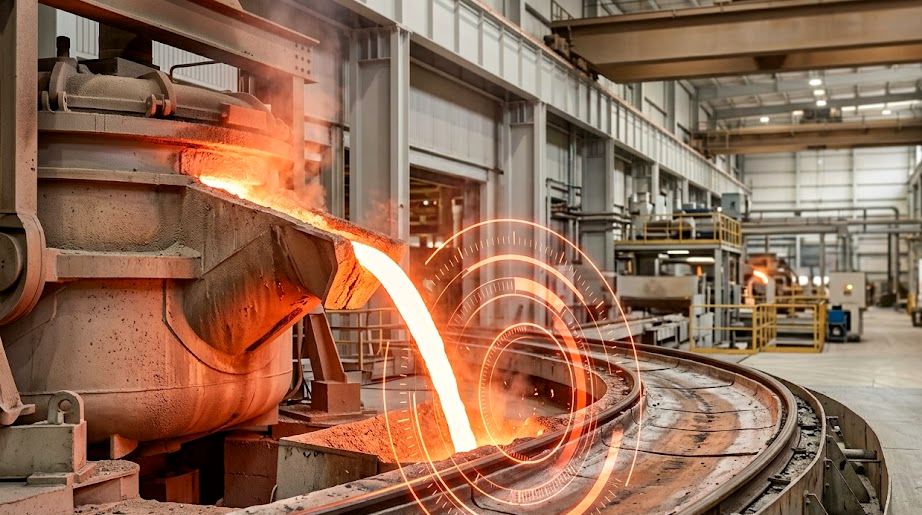
The gist is to turn industries that emit large amounts of greenhouse gases, such as steel, petrochemicals and cement, into decarbonized, high value-added industries, and to concentrate support on the development of core technologies for the green transition in each industry. It said it would announce the Green Transformation (K-GX) strategy bundling these within the year. The timing of the announcement was given only as within the year.
The overhaul of the Renewable Portfolio Standard (RPS) and cumulative electric vehicle registrations passing 1 million were presented as cases of the shift to a decarbonized electricity nation. For both cases, figures linked directly to emissions reductions were not released alongside them.
While domestic emissions declined, different signals were reported internationally. These are the results of research finding that geopolitical crises have affected emissions in the fossil fuel upstream sector. The researchers said that if fossil fuel importing countries stop at switching their import sources, emissions remain as they are, and proposed pushing together policies for renewable energy substitution, industrial electrification, and cutting consumption itself.
The K-GX strategy has been signaled for announcement within the year. Once it becomes clear which industries receive which technology development support, it will be possible to weigh what more is needed against the distance between last year's 0.9% reduction and the remaining 149 million tons. Emissions statistics are updated once a year.