A tally found that 91 trillion won of the 145 trillion won related to renewable energy was support through Renewable Energy Certificates (RECs). Rep. Lee Heon-seung immediately raised the issue. His point was that renewable energy projects rely more on institutional support than on the money they earn by selling electricity, and that whether this form of revenue is appropriate needs a fundamental review.
RECs come from the Renewable Portfolio Standard (RPS). The RPS has underpinned the spread of renewable energy since 2012.
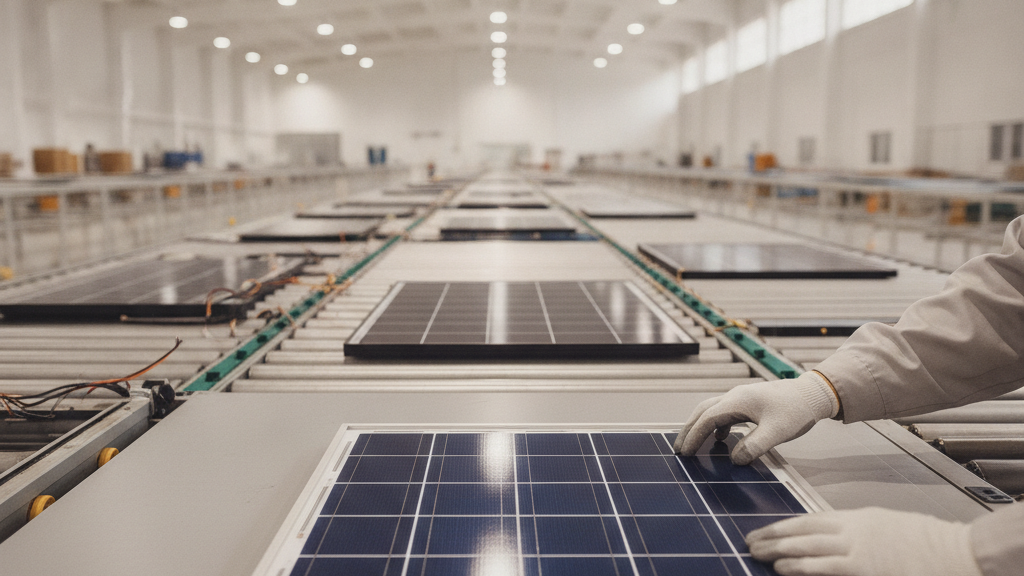
In the solar sector, another debate has emerged. The government is pushing a policy to get more domestic cells used. The government cites the goal of rebuilding domestic cell factories that have shrunk under pressure from Chinese products. The reasoning is that as power plants increase, domestic manufacturing should grow along with them.
The industry's situation is not simple. Many domestic module companies lack the facilities to make cells themselves. If the preference criteria become stricter, these companies will first have to find new places to buy cells from. Whether the industry can actually keep up with the policy has become the point of contention.
The two debates ultimately arrive at a single question.
Can a system be designed that spends less on support while still reviving domestic cell manufacturing? If only support cuts are chosen, the deployment that the RPS has driven up over 14 years could falter. If preference for domestic products is rushed, module companies without cell facilities will be shaken. An approach that requires investment in domestic production in return for receiving support could accommodate both demands.
The call to look into where the 91 trillion won is flowing carries the intent to find a way to use the same money to both increase power generation and keep domestic factories running.
If you plan to install solar panels on a roof or a factory rooftop, it is worth checking where the cells were made when you get a quote.