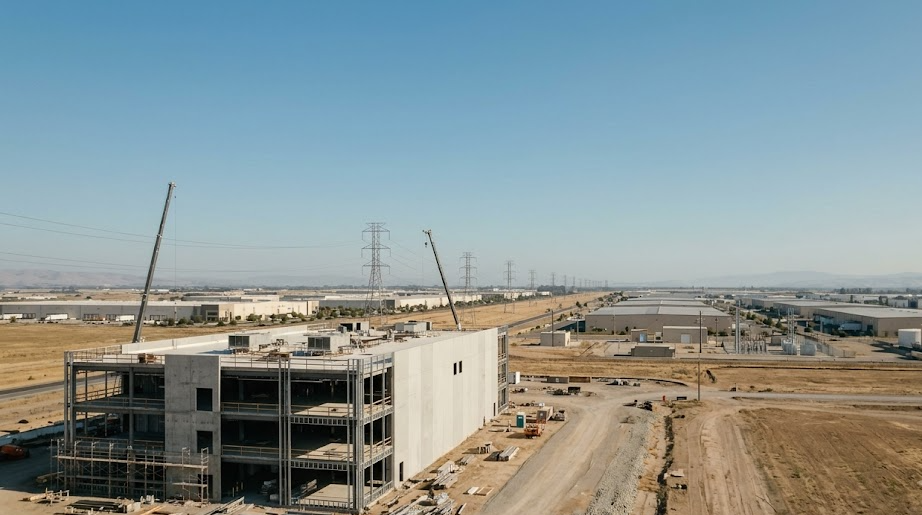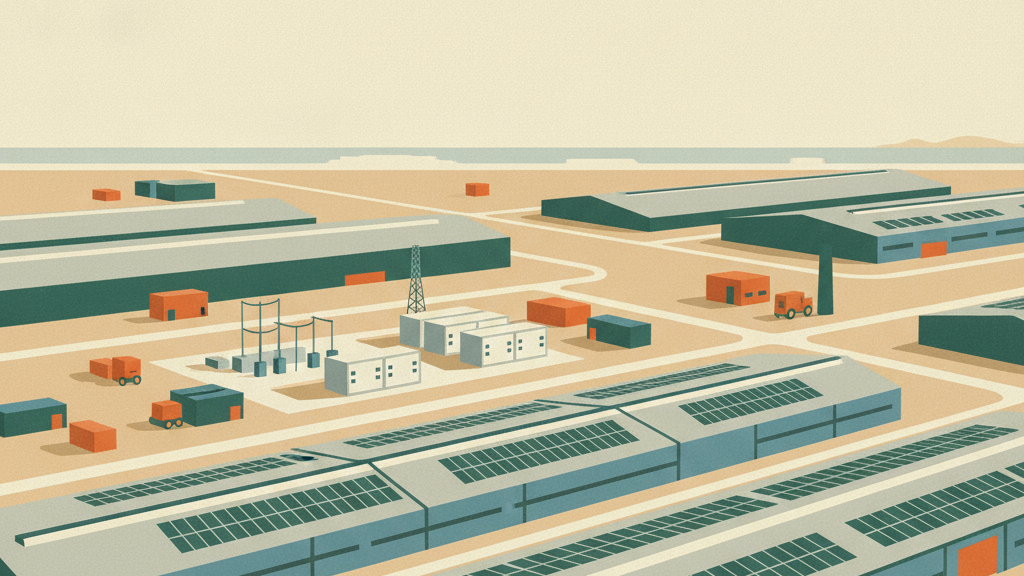
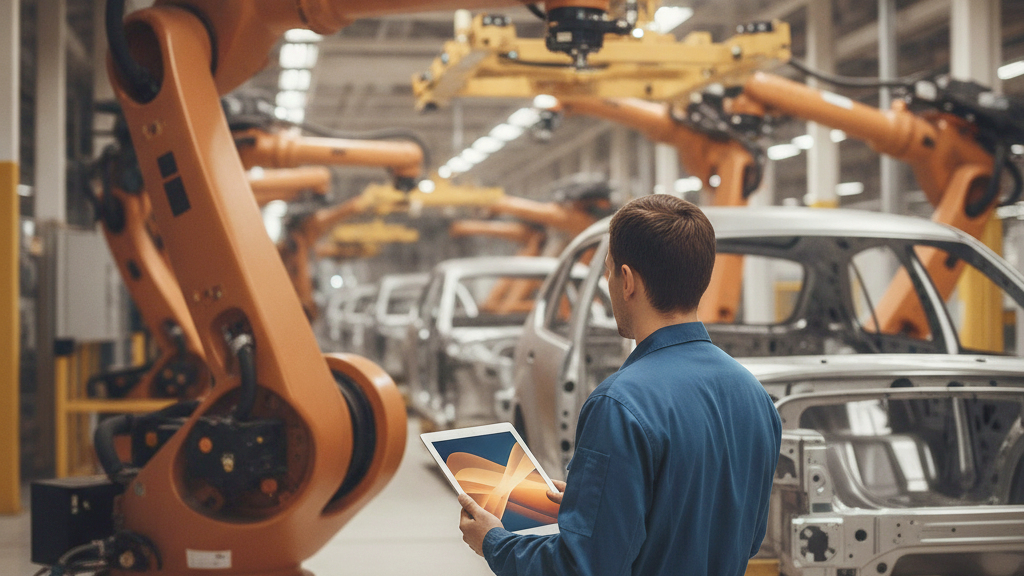
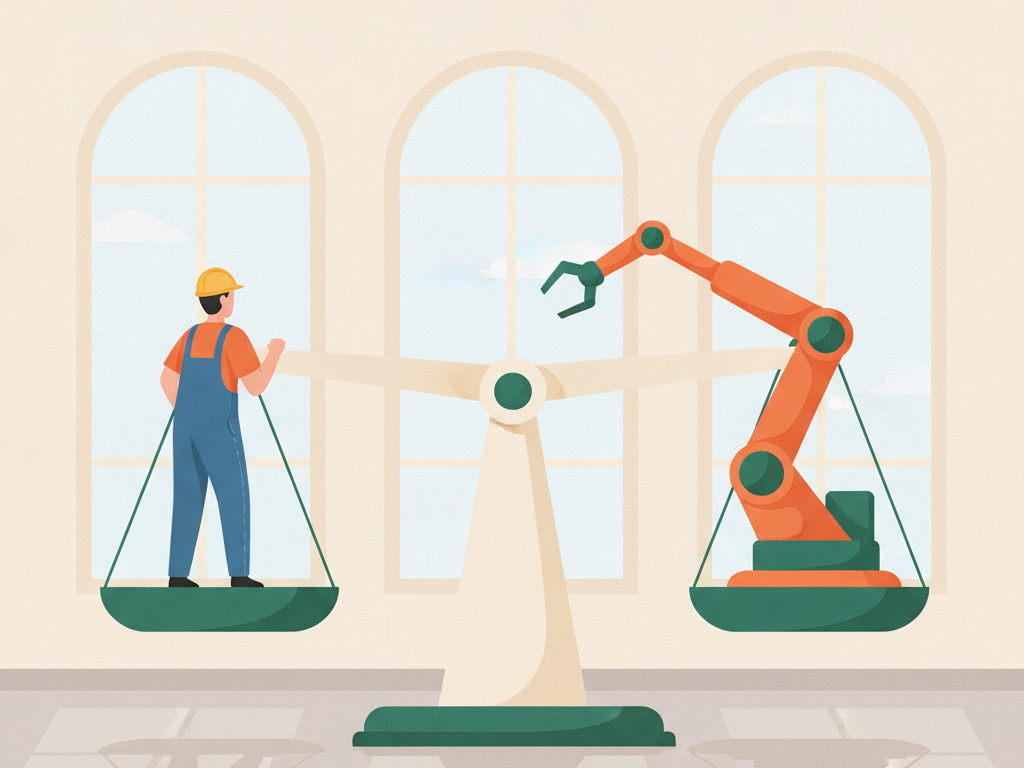
In an op-ed, Bill Gates set one worker earning $20 an hour against one robot that runs for $10 an hour. The comparison was reported overseas on October 28. A day earlier in Korea, Daegu and Gyeongbuk announced a plan to spend 72 billion won to train 3,000 physical AI specialists, and a remark also surfaced that 400 billion won of Hyundai Motor's 9 trillion won Saemangeum investment would go to robots. Talk of robots cheaper than people and plans to train the people who will handle those robots appeared in print one day apart.
Where does a worker earning $20 an hour go once robots arrive at the factory?
An overseas roundup article published on October 28 said Gates had shifted from AI optimism to a warning of '20 years of chaos.' What the '20 years' in the headline refers to is not explained in the article. The same article also carried the outlook that AI could create new industries and jobs and raise productivity while automating existing work.
With the robot costing half the human wage, the gap comes to $80 over a single eight-hour shift. The hourly operating cost is the robot's purchase price, repair costs and electricity bills added together and divided by the hours worked. Whatever items went into Gates' $10 figure, the promise of halving labor costs is hard for a corporate accountant to turn down. For workers, that half price is the price their jobs have to compete against.
The domestic announcements put their weight on training people to handle robots. Physical AI refers to AI that does not stay in on-screen conversation but moves physical bodies, such as robotic arms or autonomous mobile robots. Daegu and Gyeongbuk plan to draw on the robotics and semiconductor industrial base built up in the region to train 3,000 people to work with such technology.
Dividing 72 billion won by 3,000 people comes to about 24 million won per person. How many years the program will run, and whether the 3,000 include factory workers in need of retraining, is hard to gauge from the announcement alone.
Hyundai Motor operates on a different scale. The 400 billion won for robots is just over 4.4% of the 9 trillion won Saemangeum investment, but this single item alone is more than five times the Daegu-Gyeongbuk talent program. Because the figure comes from a quoted remark, it should be read separately from any investment plan the company releases in an official announcement.
On October 27, robot automation, youth employment and talent acquisition were also put on the same table at Wonkwang University. For young people, robot automation is a change that could either cut jobs or create new occupations.
But all three reports point toward training new workers. Only when plans also cover how a worker earning $20 an hour pays living expenses during the months spent learning robot management skills, and which factory that worker is connected to after finishing training, will the 72 billion won and 400 billion won return as income for local workers.
The lower robot operating costs fall, the sooner factories bring in robots. The money going into Daegu-Gyeongbuk and Saemangeum pulls that timing further toward domestic factories. If training cannot keep pace with this trend, the gains from half-price robots will go to companies alone.
In factories where robots have arrived, the work of monitoring robot error signals and restarting halted equipment emerges instead of hands-on assembly. Whether that work goes to the workers who have kept the line running or to someone among the newly trained 3,000 depends on whom Daegu-Gyeongbuk's 72 billion won is spent on.