
Incheon Metropolitan City will build energy self-sufficiency infrastructure worth 32 billion won at the Juan and Bupyeong National Industrial Complexes. The Korea Power Exchange (KPX) held a meeting with the demand response industry and discussed ways to make the power system more flexible. The Korea Electrical Safety Corporation (KESCO) has teamed up with Kongju National University to develop non-wires alternative technologies using AI and energy storage systems (ESS). The measures from all three bodies are aimed at keeping the power grid stable as renewable energy grows.
All three bodies cited the expansion of renewable energy as the background to the measures.
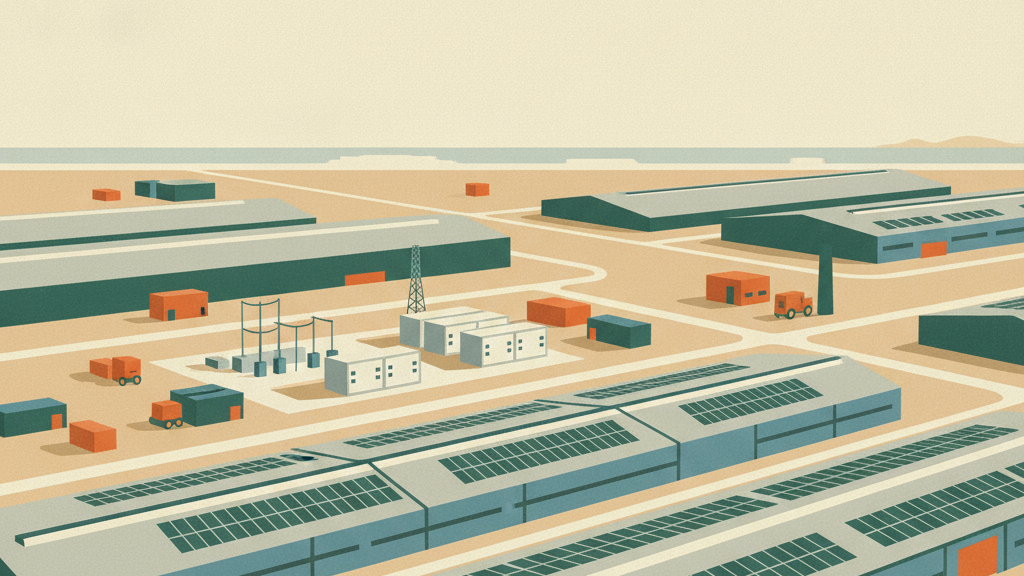
Incheon's plan is a circular model. Renewable energy is generated inside the industrial complex, and that electricity is supplied cheaply to the companies based there. The companies use this electricity to move closer to their RE100 targets.
The revenue generated from this is reinvested in facilities. The city plans to establish the model at Juan and Bupyeong and then expand it step by step to other industrial complexes in the city.
Kim Sung-jin, chairman of the Korea Power Exchange, said at the meeting that the role of demand resources is growing. He also said KPX would work with the demand response industry going forward. Demand resources balance the grid by having electricity users adjust their consumption instead of running more power plants.
The partnership between KESCO and Kongju National University seeks ways to ease the burden on the grid without building new transmission lines. Beyond joint research, the two institutions will also carry out demonstration projects and train specialists together.
On October 27, concerns were raised about a regulatory restriction that prevents ESS from being used at electric vehicle charging stations. In its "ESS Industry Development Strategy," the Ministry of Trade, Industry and Energy set a target of securing 3.7GW of ESS by 2030. If a target to add more batteries runs alongside rules that restrict where batteries can be placed, the investment will struggle to deliver its full value.
Building facilities and changing the rules so those facilities can do their job have to go together.
If you have a factory or business site in an industrial complex, take out your electricity bill today. Check whether you have even one piece of equipment that can be paused or delayed for a short time during peak hours. If you do, you have grounds to ask a demand response provider about the conditions for taking part.