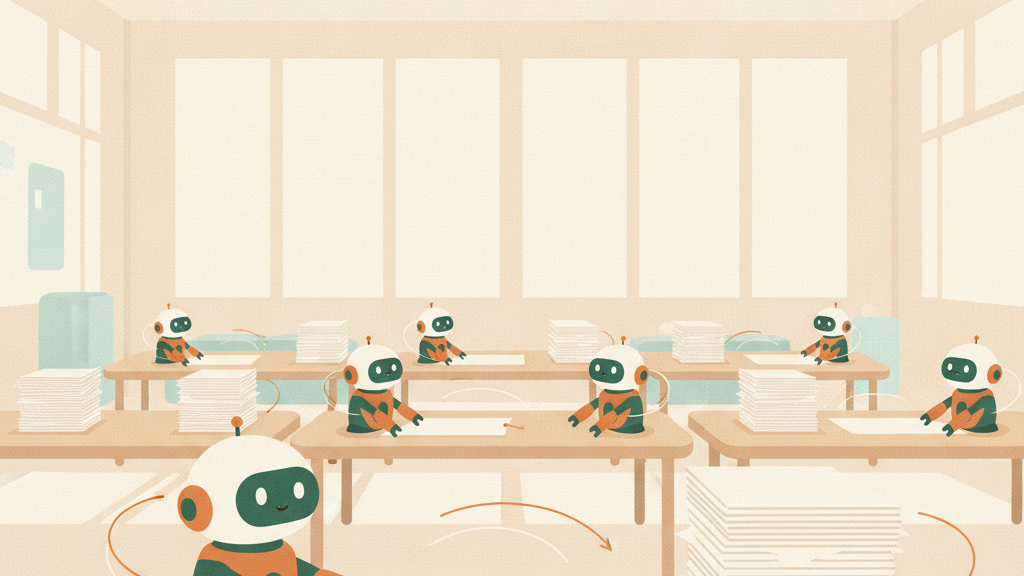

According to a report by the BCG Henderson Institute, 47% of employees spend more time managing and instructing AI agents than handling tasks directly. An AI agent is a program that, once a person gives it a goal, carries out multiple steps of work on its own in sequence. Time spent working by hand has decreased, and time spent having AI do work and fixing its results has increased.
The report measured where workers spend their working hours in a day. From this figure alone, it is difficult to tell whether the survey covered all workers or was limited to employees who use AI.
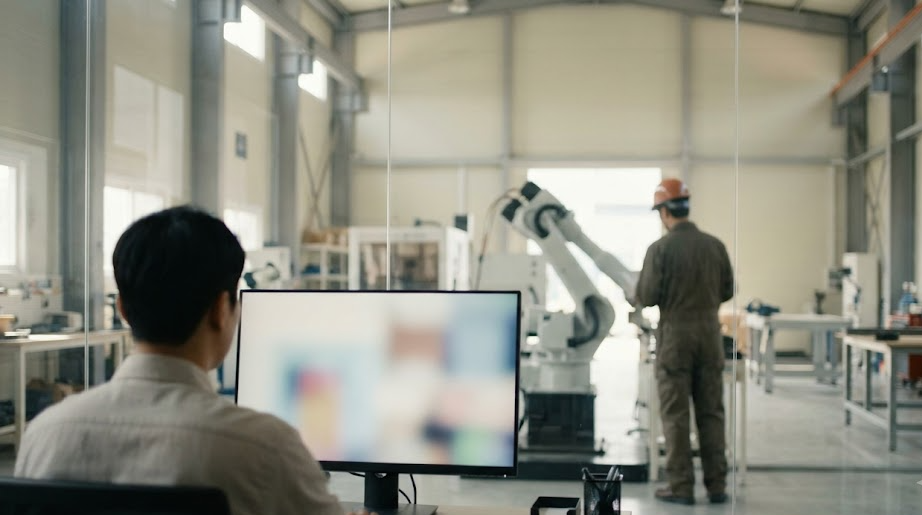
A contract signed by a U.S. shipbuilding union targeted the point at which new machines enter the workplace. It requires the company to notify the union before actually applying new technology, new equipment or new processes, including AI and robotics, on the shop floor. The intent is to let the union know the details from the planning stage.
U.S. labor is wary of situations in which large amounts of work disappear due to automation, along with situations in which profits swelled by higher productivity go only to companies.

In a piece published last summer, Bill Gates wrote that AI and robots could replace a substantial share of office and production jobs. He also argued that 'human-only domains,' where work is left to people even if it can be automated with technology, should be considered. Gates predicted that an age of abundance will come once AI passes through an adjustment period of about 20 years and is combined with humanoid robots, that is, robots that look and move like people.
Concerns about shrinking work remain, but the discussion has expanded to the procedures by which AI is introduced and which tasks should be preserved for people. In stores as well, AI has begun to go beyond kiosks and serving robots to take on inventory management and writing marketing copy for individual customers. The work people must supervise is increasing.
If the report's figures hold, for 47% of employees, instructing AI agents and fixing their results takes up more time than handling tasks directly. Which tasks to hand over to AI and which to leave to people is the question addressed by both the shipbuilding union's contract and Gates's 'human-only domains' proposal.