The focus of the forum on electricity rates for the steel industry, held at the National Assembly on September 17, 2026, was not how much rates should be lowered. Discussion centered on how support should be designed. Instead of an across-the-board rate cut, two alternatives were put forward: a support system that provides government funds on the condition of decarbonization investment, and a refund plan that uses emissions allowance auction revenue to return the carbon costs passed on to electricity bills. Exemptions for specific items were also discussed.
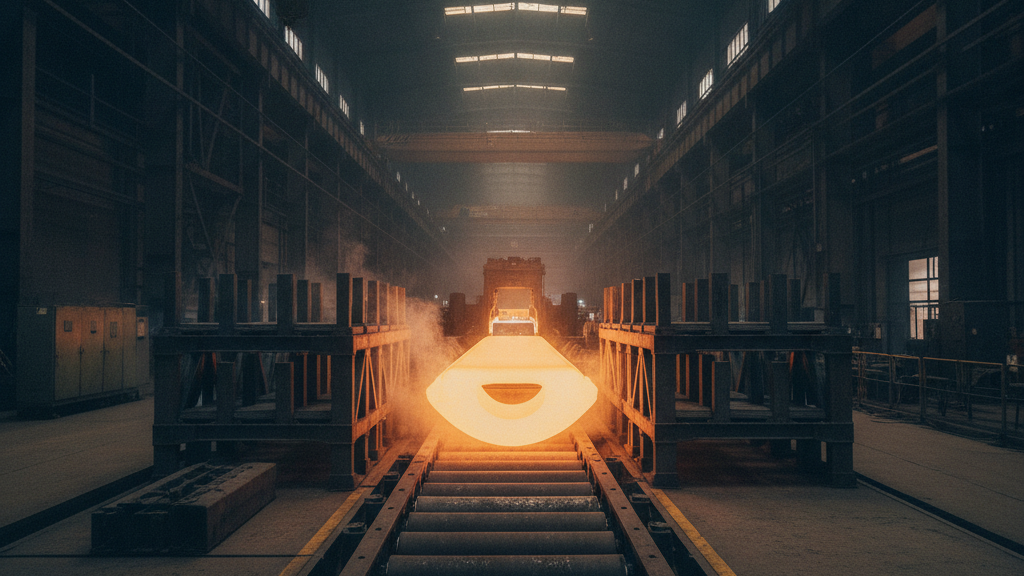
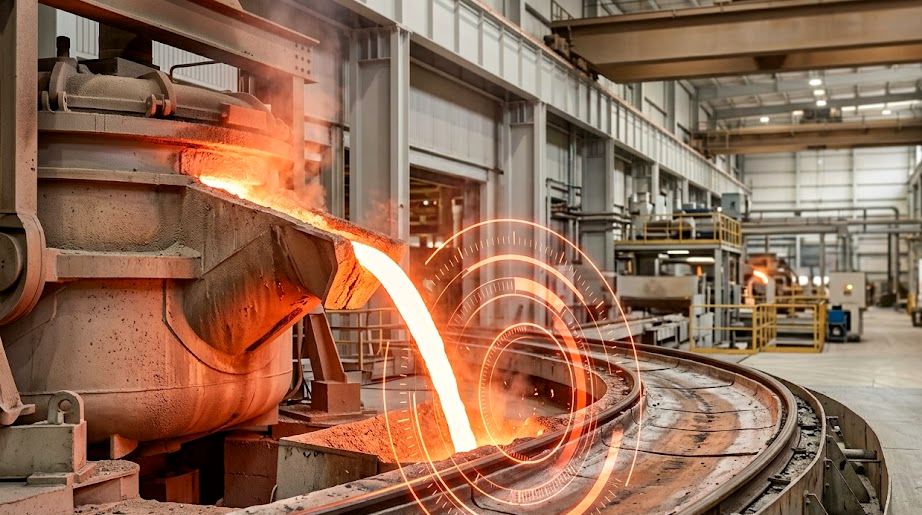
Steelmaking processes are shifting toward using more electricity. As electrification for carbon neutrality progresses, power demand in the steel industry is rising. Electric arc furnaces and hydrogen reduction steelmaking were cited as ways to move to a low-carbon production system, and both processes use large amounts of electricity. Lee Sang-hwi, a member of the National Assembly, said that once the shift to low-carbon processes such as hydrogen reduction steelmaking gets fully underway, the steel industry's power cost burden will grow further.
A rate cut delivers benefits in proportion to the power consumed, while conditional support goes only to those who replace their equipment. At the forum, the latter was favored on the grounds that transition investment needs to be encouraged.
A presenter referred to as 'Professor Jeong' cited overseas cases in proposing that carbon-related funds be used to support the decarbonization costs of power-intensive industries. The proposal to use emissions allowance auction revenue as a funding source falls under this approach.
How far the scope of refunds should extend, what criteria should be used to calculate the passed-on carbon costs, and which component of the rates the exemptions target were not settled at the forum stage. Presenters also placed different emphasis on whether the funding should come from government finances or from emissions allowance auction revenue.
Steel's power demand is likely to keep rising while the process transition continues. Whether that burden is eased by lowering the rates themselves or by paying back in proportion to investment in the transition will change how much reason companies have to speed up equipment replacement.