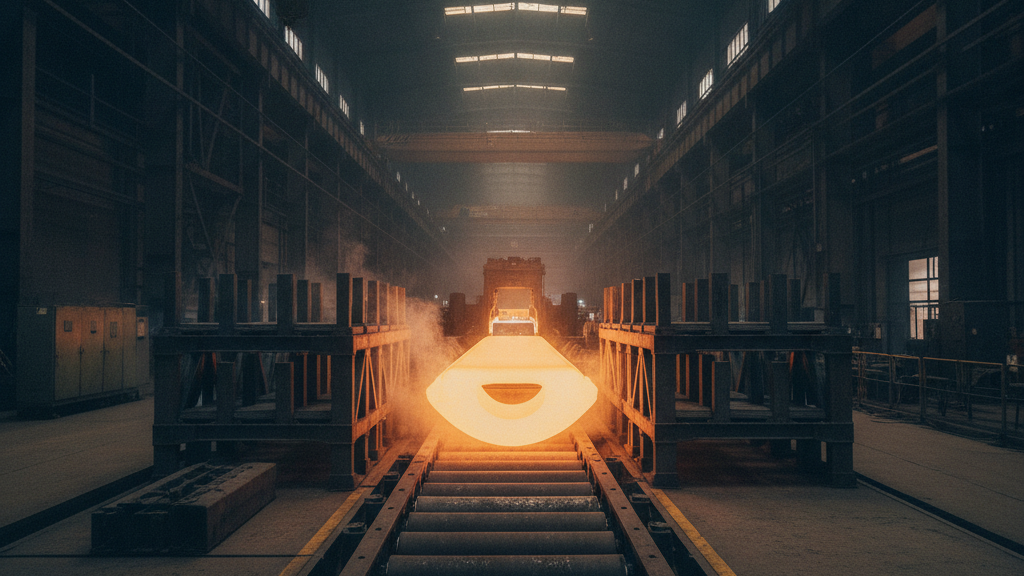
On the morning of Sept. 4, 2026, the Ministry of Climate, Energy and Environment and industry representatives sat down together in Samseong-dong, Gangnam-gu, Seoul. On the table were the emissions trading scheme, power purchase agreements (PPAs) and measures to boost purchases of low-carbon steel products. The meeting was arranged to speed up corporate decarbonization and the green transition and to work out the obstacles companies run into on the ground.
The government said its purpose was to identify regulations and difficulties and channel them into institutional improvements. All three areas of climate, energy and environment were covered. Oh Il-young, head of the Climate and Energy Policy Office, said corporate decarbonization and the green transition are becoming a new standard of competitiveness.
The emissions trading scheme deals with the cost attached to emissions, and PPAs deal with at what price and by what means renewable power is brought in. Boosting purchases of low-carbon steel products is a question of who pays for and buys the products once they are made.
The presence of this third item on the table changes the character of the discussion.
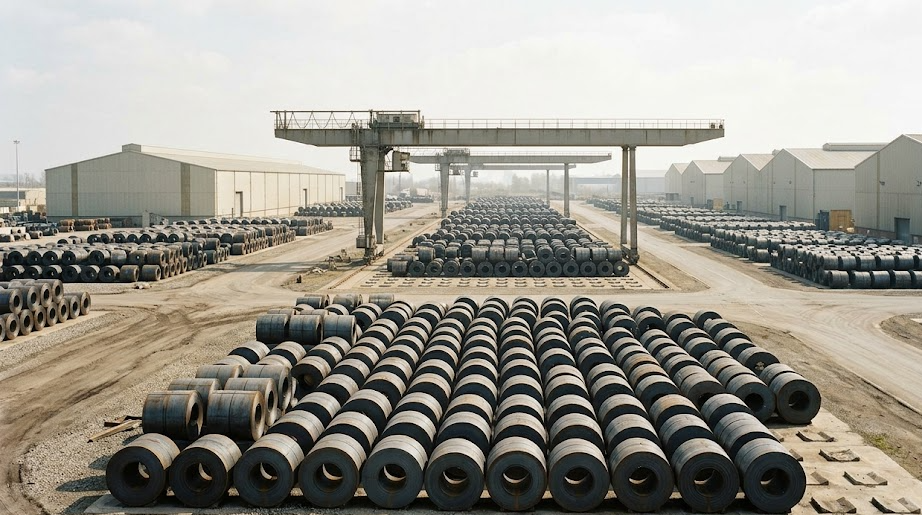
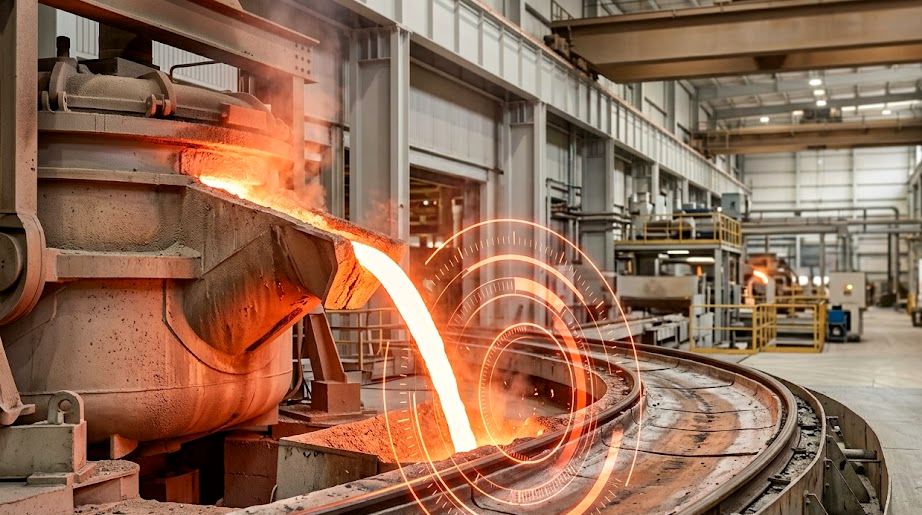
In discussions of decarbonizing steel, the focus has long been on production technology. Whether hydrogen-based ironmaking or an expansion of electric arc furnaces, how to make the steel has been at the center of the debate. At the Sept. 4 meeting, participants said securing production technology alone is not enough and that actual purchase demand for low-carbon steel products has to grow alongside it. Even if the technology is ready, the transition stalls if there is nowhere willing to pay a premium for the product.
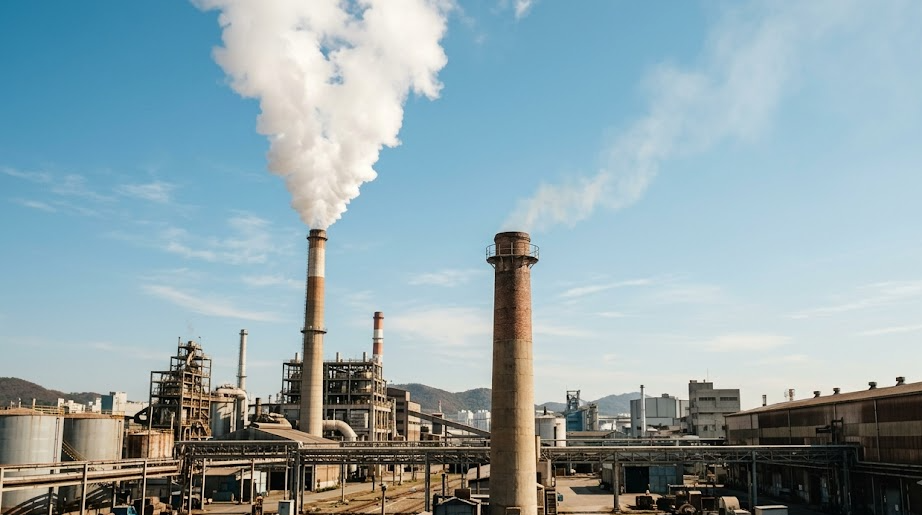
Cost conditions were also mentioned as background to the discussion. Steel is an energy-intensive industry, so the cost attached to carbon emissions and the conditions for using renewable power act as major cost factors in moving to a low-carbon production system. That is why the emissions trading scheme and PPAs were put on the same table. This explanation went no further than background to the discussion, and figures such as the scale of the costs or power rates were not presented that day.
On the institutional side, there was movement a little over a week earlier. On Aug. 26, the National Assembly passed an amendment to the Framework Act on Carbon Neutrality, and the amendment includes definitions of "green finance" and "transition finance." Provisions on green sovereign bonds were also included.
The inclusion of the definitions in the law means the government has begun to draw the line at the statutory level on which funds qualify as transition finance. The promulgation and effective dates, and the form and scale of the basis for issuing green sovereign bonds, remain to be confirmed in the implementation process that follows.
The government said it would support corporate decarbonization investment, but the support measures and budget scale were not laid out in detail that day.
Several things have to be settled for demand for low-carbon steel to actually grow. These include the criteria and certification system for determining which products count as low-carbon, how much of such products public procurement will use, and what incentives will be offered to private buyers. The Sept. 4 discussion went as far as confirming a shared recognition that demand needs to expand. Whether that recognition moves into policy measures depends on the timetable for turning the regulatory and practical issues identified that day into institutional improvements.
The effective date of the amended Framework Act on Carbon Neutrality and the form in which the green sovereign bond provisions lead to actual issuance remain to be confirmed. How many of the requests raised that day on the emissions trading scheme and PPAs are organized into institutional improvement tasks, and by when, also remains open.