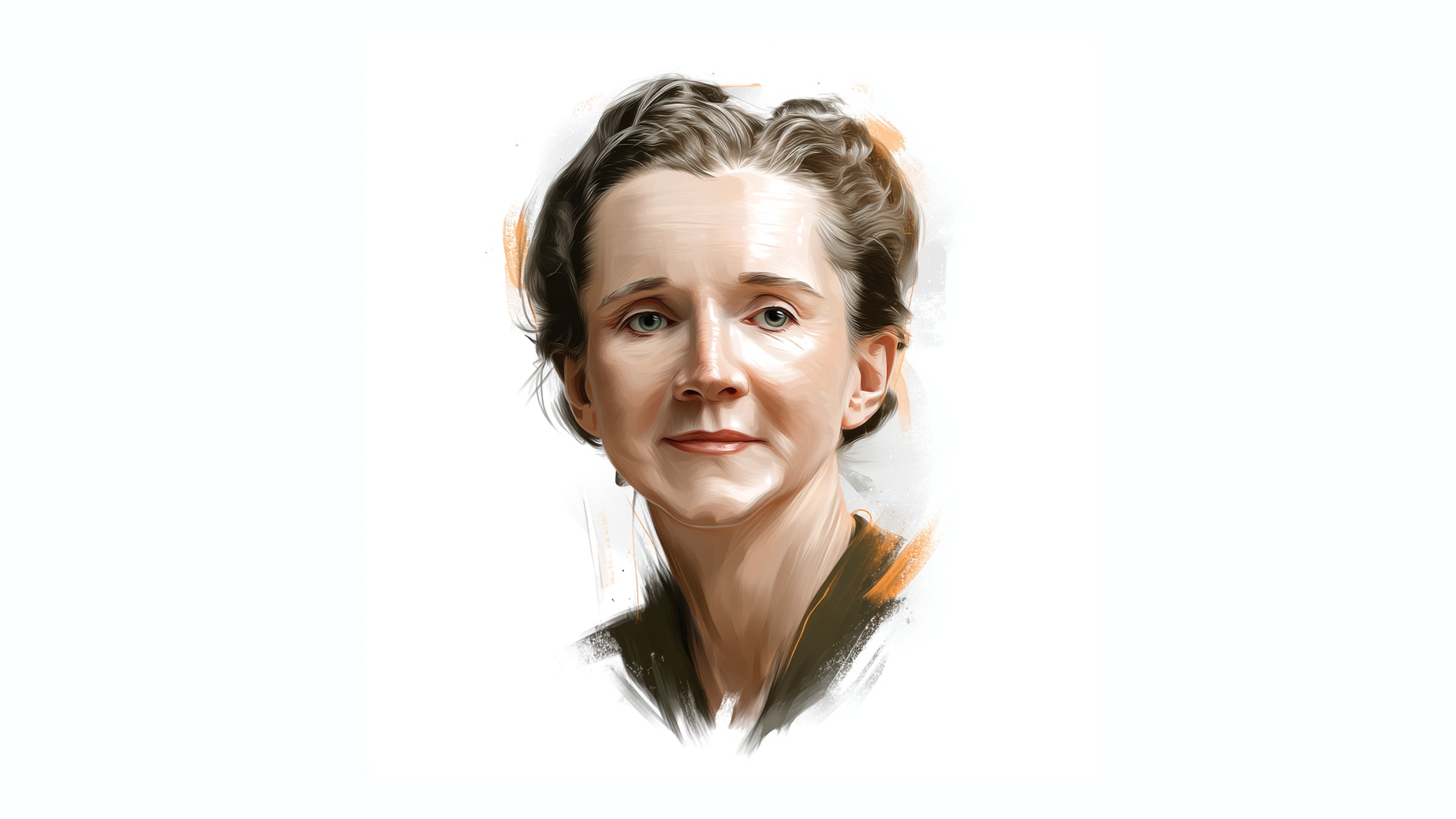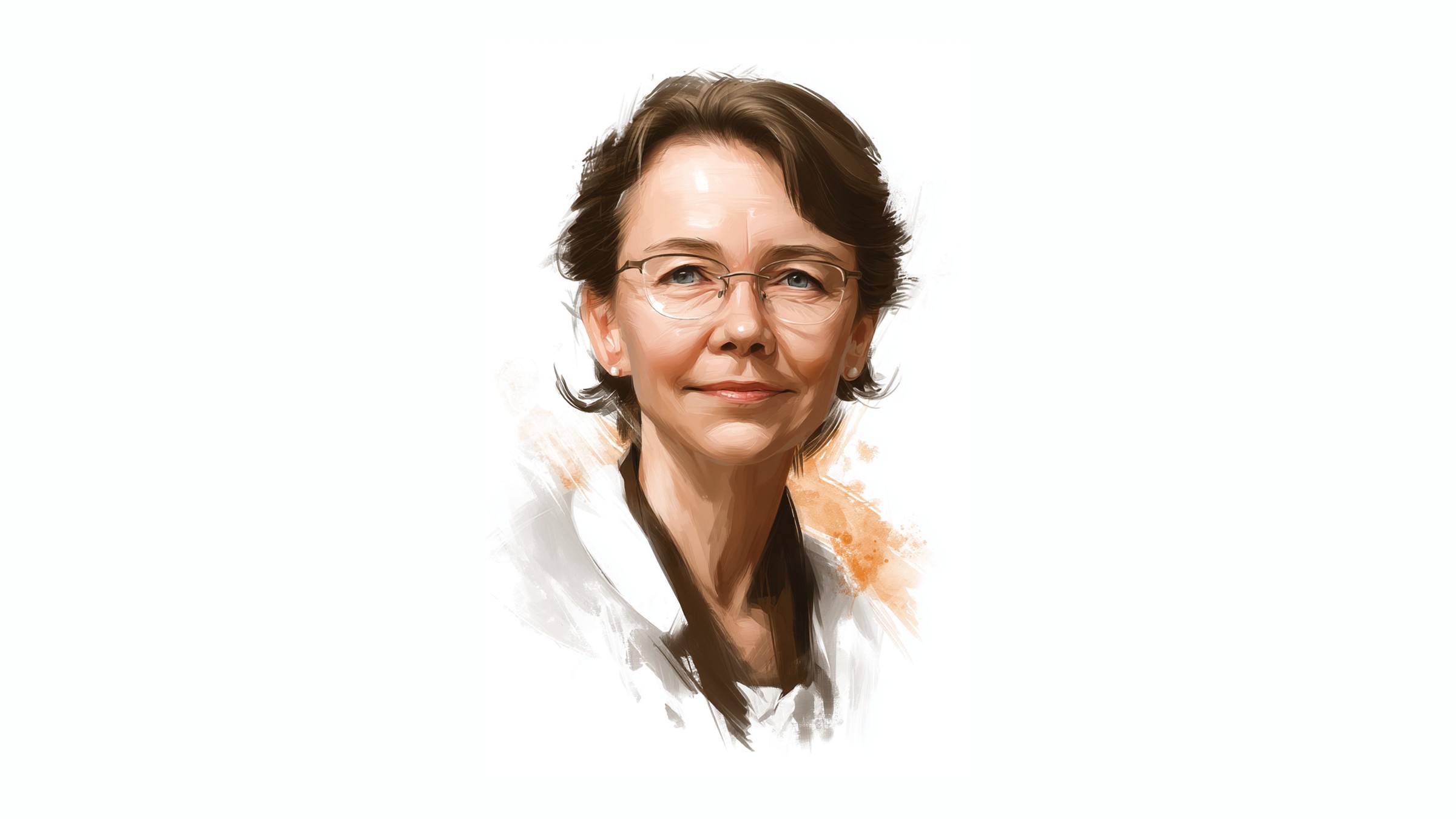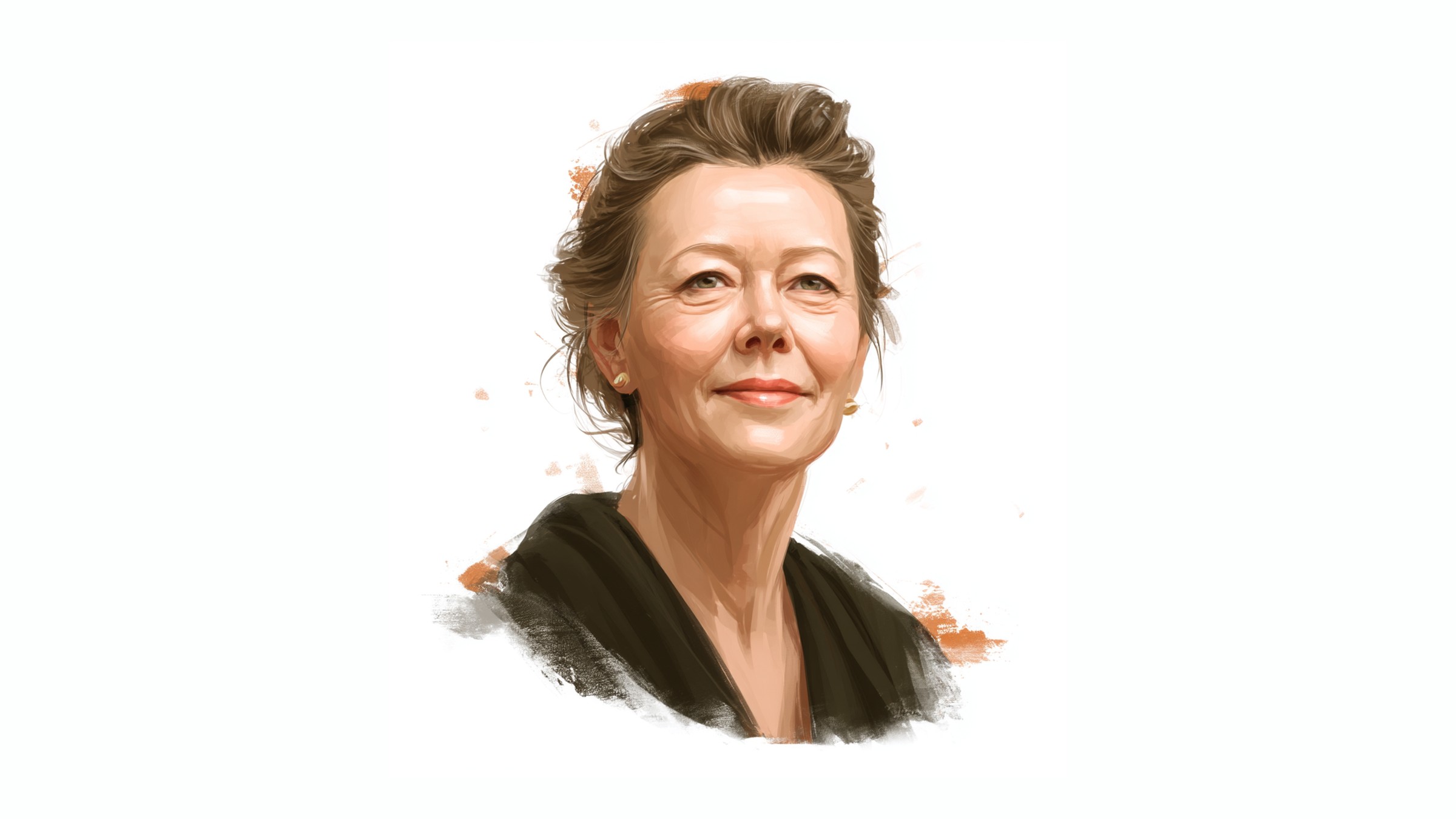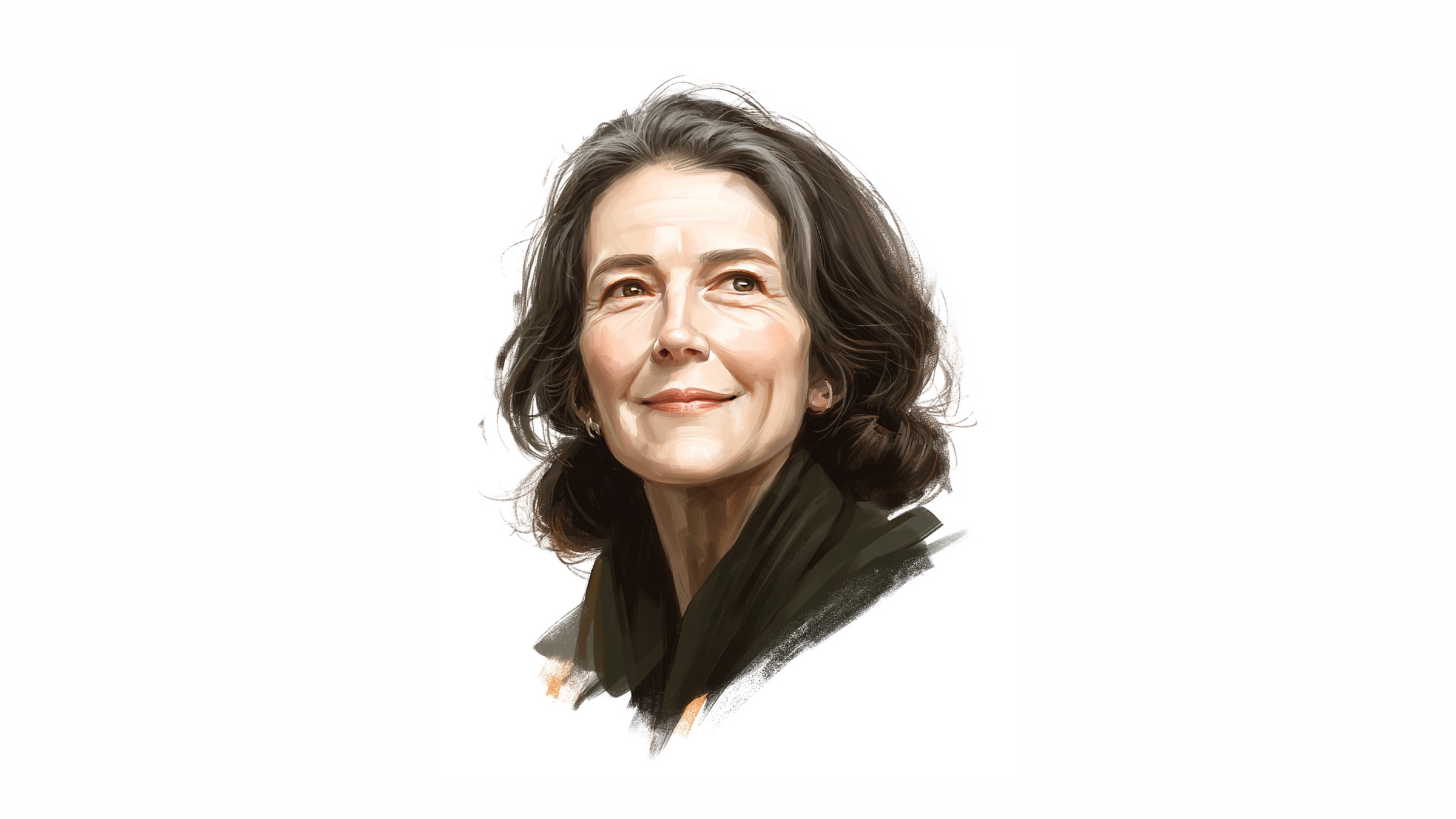
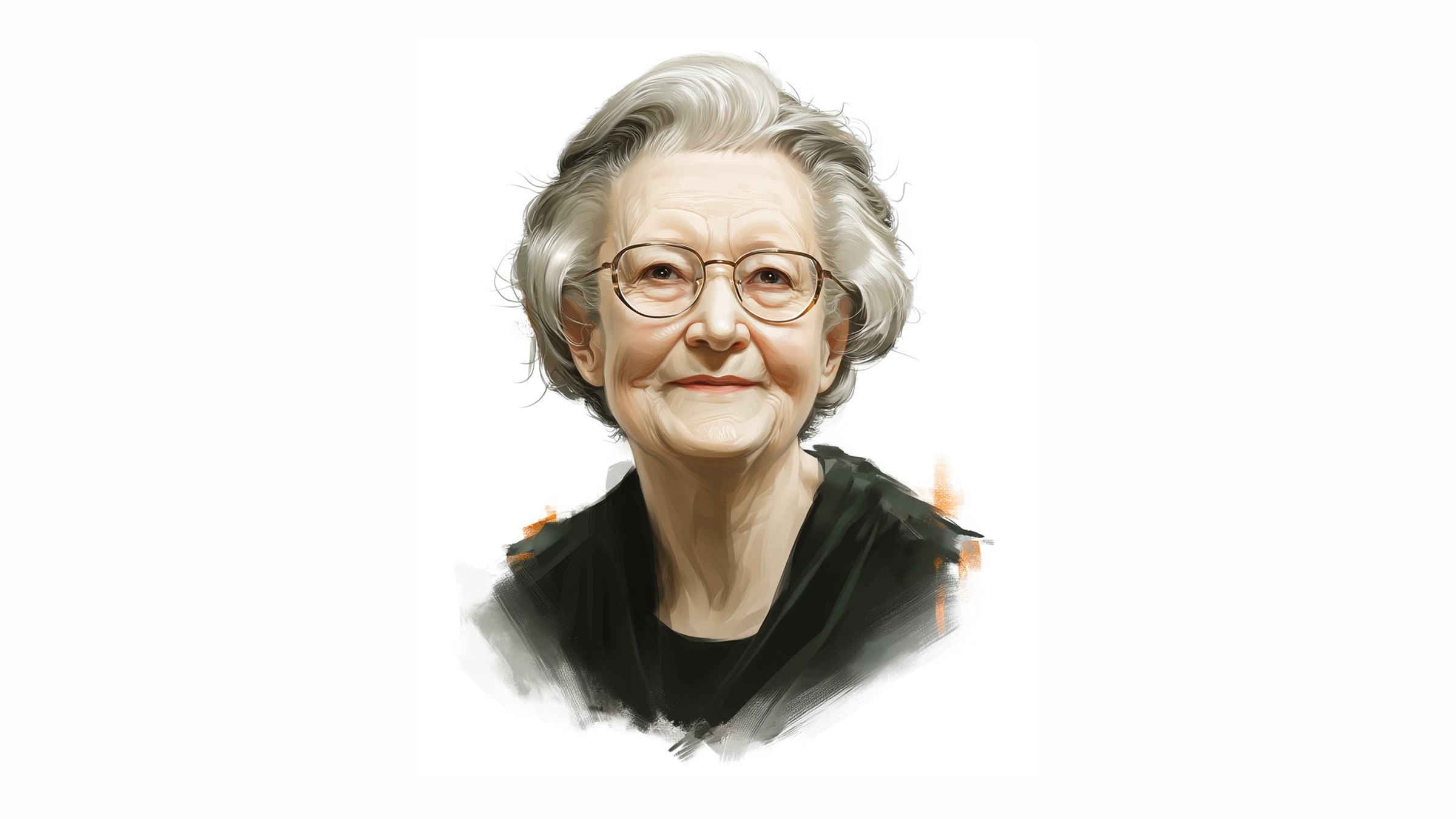
In 1948, a 30-year-old social worker sat beside a hospital bed listening to a man's story. David Tasma, who had escaped the Warsaw Ghetto and worked as a waiter in London, was dying of cancer. He left her 500 pounds and said he hoped the money would be a window in her house. Years later, a single pane of plain glass was set at the entrance of St Christopher's Hospice.
Cicely Saunders (1918-2005) was born in Barnet, Hertfordshire. She was studying politics, philosophy and economics at St Anne's College, Oxford, from 1938 when she decided during the war to become a nurse, training at the Nightingale School of Nursing at St Thomas' Hospital. After injuring her back she returned to her studies, earning a bachelor's degree in 1945 and a qualification as a medical social worker in 1947, and became a doctor in 1957 at the age of 39.
Few people have passed through nursing, social work and medicine in turn. St Christopher's Hospice, which she founded in 1967, was the world's first building purpose-built for hospice care.
Q1. The 500 pounds David Tasma left in 1948 became the starting point of the hospice. How did you take that money, having sat by the bed and lost someone you loved?
I did not think of it as money. He spoke of a window. I heard it as a request to make one opening through which the outside could be seen.
I was a social worker then, and from the late 1940s I worked part-time at St Luke's nursing home in Bayswater. It was a place where poor people came to die. There I saw every day the practice of withholding pain relief until a patient cried out, rather than preventing the pain in advance. To change that I needed the authority to prescribe, and in 1951 I began studying medicine.
The single pane of glass at the entrance of St Christopher's tells you why the whole building stands.
Q2. The "total pain" you proposed binds physical, emotional, social and spiritual suffering into one. You spent seven years researching pain control at St Joseph's Hospice in Hackney. How did the concept take shape in that setting?
When I asked patients where it hurt, they did not talk only about their bodies. Worries about rent, a quarrel with a daughter-in-law, a night when faith wavered, all came out together. Increasing the analgesic does not reduce those things.
What I held on to at St Joseph's was regular dosing. Giving the next dose before the pain returned. Once the body's suffering is held down that way, the rest becomes visible. Pain control was the condition that made conversation possible.
It was a time when no one had treated pain as a question of ethics. In an age when saying you were in pain was read only as a failure of medicine, that statement was a signal pointing to the whole person.
Q3. During the spread of AIDS you were reluctant to admit AIDS patients to St Christopher's, and you sent a letter conveying that view to the relevant ministry. How would you explain that decision now?
The sentences I wrote remain. I wrote that I had strong reservations about using existing inpatient facilities for AIDS patients. I gave as my reasons that the ward was a very private space where families and children stayed together, and that other families might not come out of fear.
I myself recorded in that document that the fear was irrational. Knowing it was irrational, I made it the basis of how we ran the place. Having said all my life that a person must recognise a person, I put a threshold in front of one particular diagnosis.
I will not make excuses. The principle I set was larger than my decision, and in the end the principle was right.
Q4. After Antoni Michniewicz died in 1960 and you lost your father the following year, you described yourself as being in a state of pathological grief. How did you get through that time?
I loved a patient, and I did not hide that love. While Antoni left and my father left and a friend left as well, I could not stand properly. I learned in my body that grief can behave like an illness.
But I learned something then. That the weaker the body becomes, the stronger the spirit grows. Antoni's last days showed me that. The received idea that a dying person is a being who only collapses broke apart in front of my eyes.
The plan had existed before that. After 11 years of thinking I finished the design, read Psalm 37 and set out to raise funds. Albertine Winner, then deputy chief medical officer at the Ministry of Health, helped, and later served as chairman of St Christopher's.
Q5. Among the many symptoms palliative care deals with, you singled out breathlessness as especially difficult. Is there a reason?
A person who cannot breathe cannot speak. Pain can point to a place, but breathlessness cuts sentences off. This is the hardest symptom to handle within total pain.
And breath holds the person beside them as well. When a patient gasps, the family listens to that sound all night. Two people wear out together in one room. When we say palliative care looks after the patient and the family together, breathlessness is the symptom where those words can be touched most concretely.
That is also why we put in a garden and a place to have one's hair done when we built St Christopher's. Patients sit by the flower beds and take the outside air, write, and talk. We tried to make a place closer to a home than to a hospital.
Q6. Many patients still never reach palliative care. What do you think medicine today is missing?
The habit of treating palliative care as a matter of the last few days. St Christopher's was designed from the start to carry out teaching and clinical research together. It meant that caring for people facing death also needs research.
Someone with a progressive illness should be able to receive symptom management from the day of diagnosis. Writing a referral after the disease has run its course is too late. What matters is how early we meet the patient and the family.
I opposed the legalisation of voluntary euthanasia. Not only because of faith. It was because I believed effective pain control was possible. I accept that both sides oppose unnecessary suffering and the loss of dignity.
Q7. St Christopher's was built as a place where patients garden, write and talk. What do you hope will carry over to the next generation?
I hope a ward will not look only like a ward. If there is a sense that the patient has been moved into an institution, that place has failed at that moment.
Patients go down the corridor and out into the garden. They look outside, they talk, they catch their breath. It is enough for that passage to stay open.
Since St Christopher's opened in 1967, palliative care has become a medical specialty and has spread, changing its form to suit circumstances. Its starting point was 500 pounds handed over by a dying waiter and one word, window. The sentence that you matter because you are you, and you matter to the last moment of your life, still stands beyond that pane of glass.
This is not an actual interview. It is an imagined interview reconstructed by Breath Journal on the basis of Cicely Saunders' life, writings and surviving records. The questions were written by our reporter and the answers were drawn from her writings and her actions.