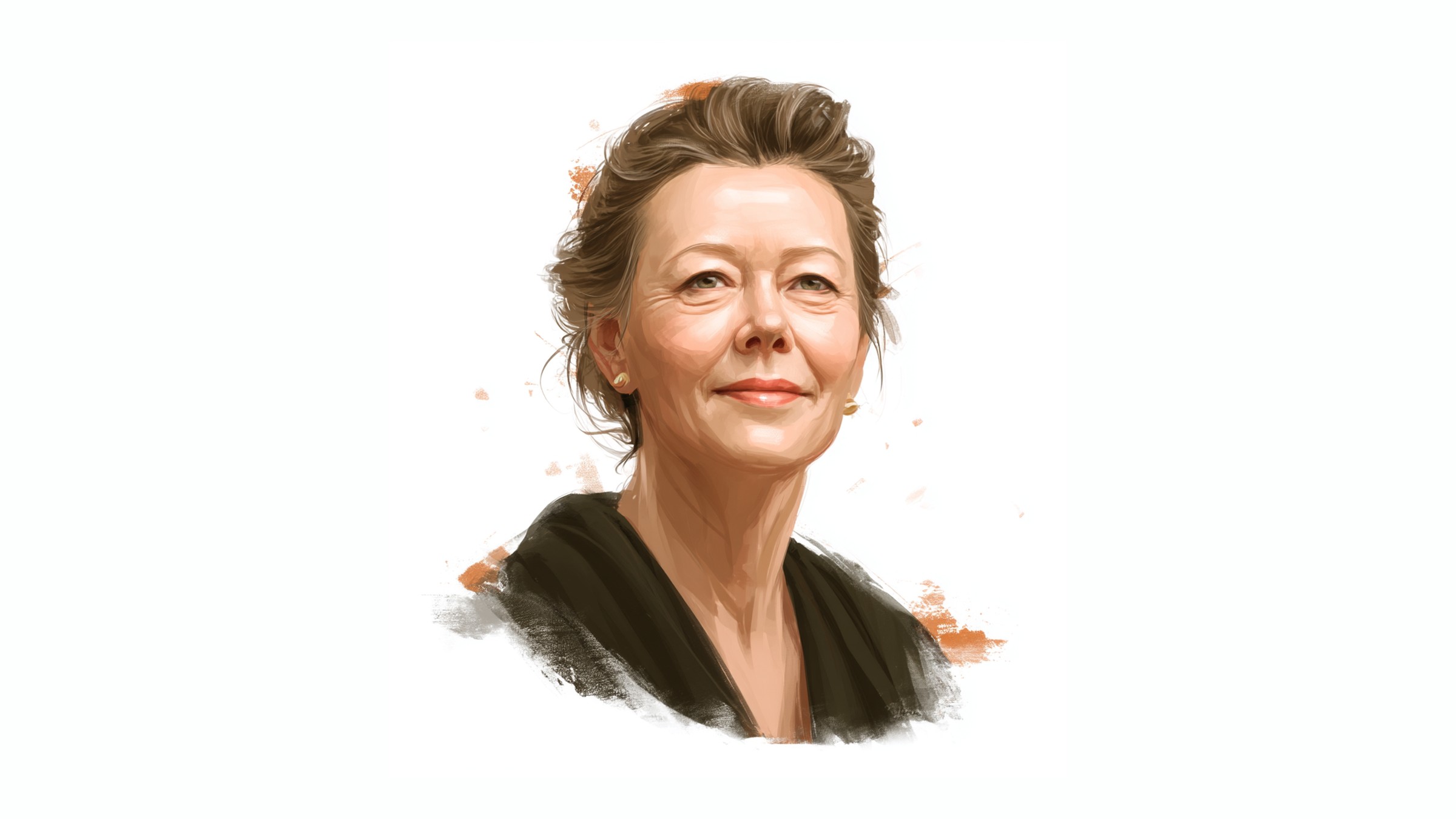
In Paris in 1876, a woman of thirty-three entered the study of a mansion as a secretary. It was a job she had applied for after seeing a newspaper advertisement, and her employer was Alfred Nobel. The job ended after a week. She returned to Vienna and held a secret wedding with Arthur von Suttner.
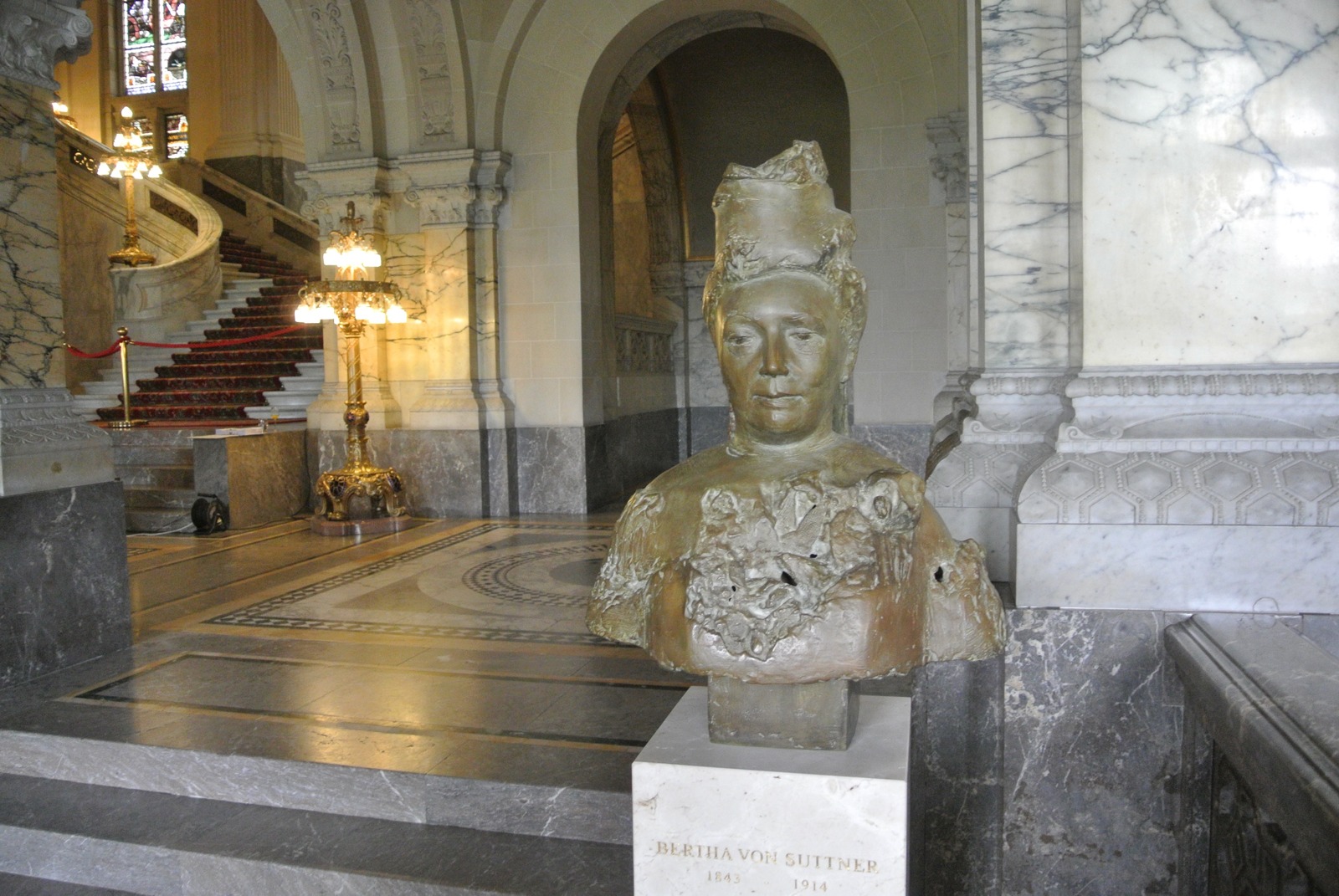
Bertha von Suttner was born in 1843 at the Kinsky Palace in Prague. Her father was a general in the Austrian army but died before she was born, and her mother came from a family of lesser rank. Growing up with neither the right to appear at court nor an estate to inherit, she learned French, Italian, and English, and studied piano and singing.
Her life turned in 1873 when she became a governess for the Suttner baronial family. In 1889 she published the novel "Lay Down Your Arms! (Die Waffen nieder!)," and in 1905 she became the first woman to receive the Nobel Peace Prize.
Q1. Your time as Nobel's secretary in Paris in 1876 lasted only a week. Did you know that so short a time would carry on so long into your later life?
I did not. I answered that advertisement because I had to make a living. A governess's salary would not allow me to marry, and going to Paris was close to fleeing.
In that short period we talked. A man who made explosives and a woman who would come to hate war sat across from each other and exchanged words about how far human beings can go. I returned to Vienna and married Arthur, and I corresponded with Nobel until his death in 1896. A week of employment became twenty years of letters.
Q2. In 1889, "Lay Down Your Arms!" took the form of a novel rather than an essay. Why did you choose a story?
Essays are read only by those who already agree. I wanted the ladies in the drawing rooms, who had never been through a war, to read it. So I wrote it so that the reader follows one woman from beginning to end as she loses one thing after another to war.
That same year I also published "The Machine Age (Das Maschinenalter entsteht)." Reading Buckle, Spencer, and Darwin, I learned which habits humanity had cast off to arrive where it stands. I regarded war as one of those habits. The novel put that thought into a human face.
Once the book sold, an organization became necessary. In 1891 I founded a peace society in Austria, and from 1892 to 1899 I published a journal that took the title of my book. A single novel ended nothing.
Q3. The label of radical pacifist was not always used as praise. What criticism did you hear?
What I heard most often was that I was sentimental. There was also mockery that a woman was writing novels and discussing national defense. I was reproached for being the daughter of an army general who insulted the army.
I know my limits as well. In 1900 I published a book on the Hague conference, and in 1909 "Armaments and Over-Armaments (Rüstung und Überrüstung)," but Europe's armaments did not decrease. In 1912 I wrote about my fears of what would happen in the sky. I will not deny that what I wrote failed to slow the course of events.
Q4. In the early years of your marriage the household was not well off. How did you endure that period?
We had no money. My mother and my aunt lost a great deal of money gambling in Wiesbaden in 1856, and I grew up in the aftermath. After my marriage we had to earn our own living.
Poverty did not break me because it was in those years that I first began to write under my own name. My husband wrote novels as well, and we kept house on our manuscripts. As what we owned dwindled, I turned into a writer.
The one who taught me as a child was my cousin Elvira. She put literature and philosophy into my hands, and I grew up on that reading as my capital. In a household ruined by gambling, the property that remained was those books.
Q5. The 1905 Nobel Peace Prize was the first peace prize given to a woman. What did the prize add to the movement?
A door opened. Until then my words were a novelist's opinion, and afterward they became the words of someone invited to the conference hall. Even when I spoke the same sentence, the number of ears listening changed.
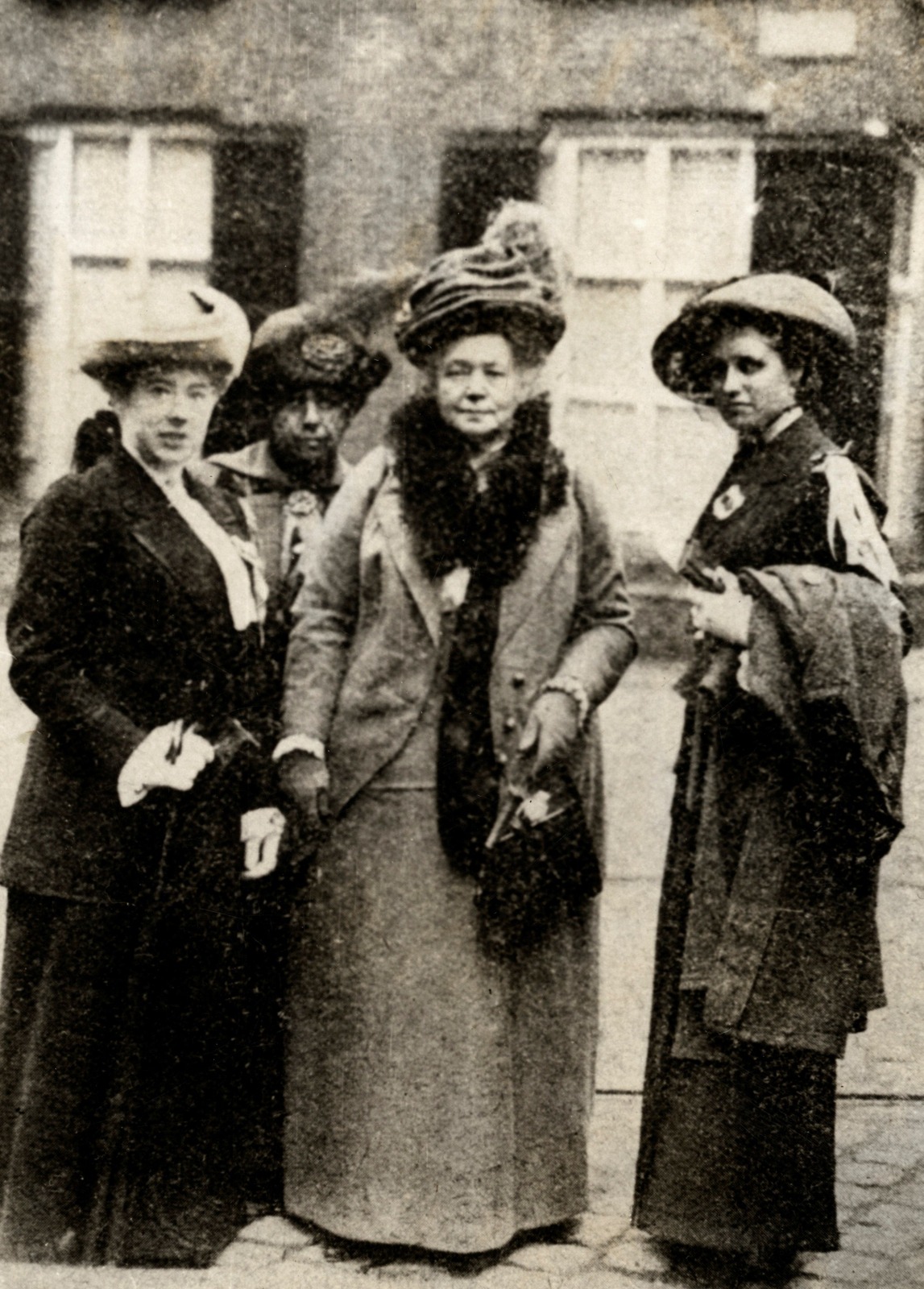
In exchange, a prize turns a person into a representative. The one who becomes a representative becomes the face of the movement, and if the face falls, the movement is shaken. In 1907 I published a book setting out how the peace movement had grown. I wanted it recorded as work that many people had done together.
Q6. In 2026 wars continue, and the arms industry is called a growth industry. Does what you saw in Europe a hundred years ago resemble the present?
What I lived through was a society that believed it grew safer the more it armed. A neighbor increased its arms so we increased ours, and because we increased ours the neighbor increased its own again. That logic never stops on its own.
In 1912 I wrote about what would happen when aviation was put to use in war. People at the time saw the sky only as a stage for progress. To keep a new technology from being used to kill people, the rules have to be made before the technology is complete.
Ordinary people who were taught that war is honorable are what sustains war. Changing that education was my life's work.
Q7. Your face appears on the Austrian two-euro coin. What would you offer to the people who will see that face?
Coins pass from hand to hand. I like that about them. My face was once on the 1,000-schilling note as well, but banknotes stay folded in a wallet while coins roll about.
When I handed over the manuscript in 1889, I did not know whether the book would sell. I intended to write it even if it did not. If someone takes a coin from a pocket, looks at that face for a moment, and the sentence to lay down one's arms comes to mind even once, that is enough.
This piece is not an actual interview. It is an imagined interview reconstructed by Breath Journal on the basis of Bertha von Suttner's life, writings, and the records she left behind. The questions were written by the reporter and the answers were drawn from her writings and her deeds.