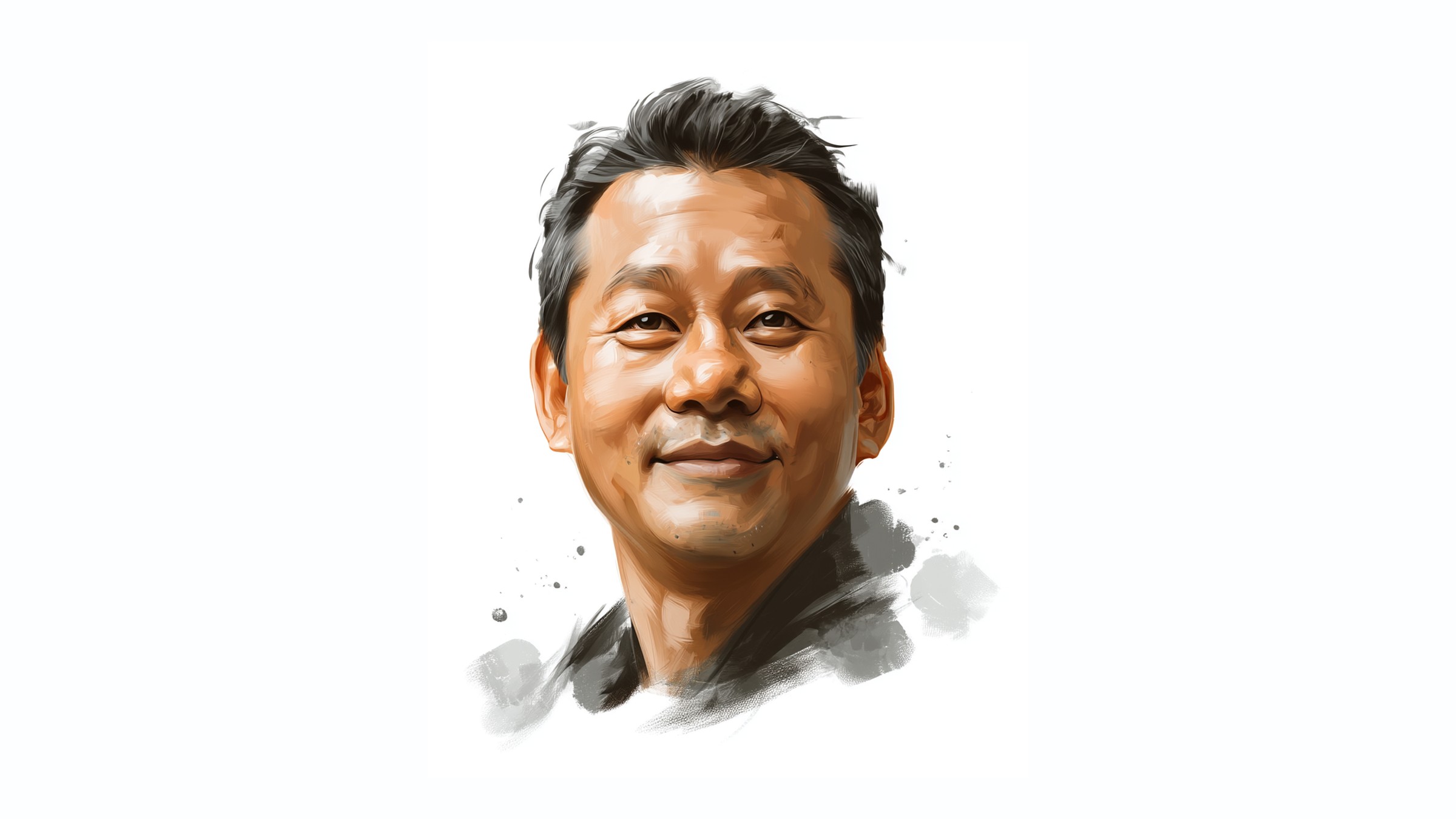
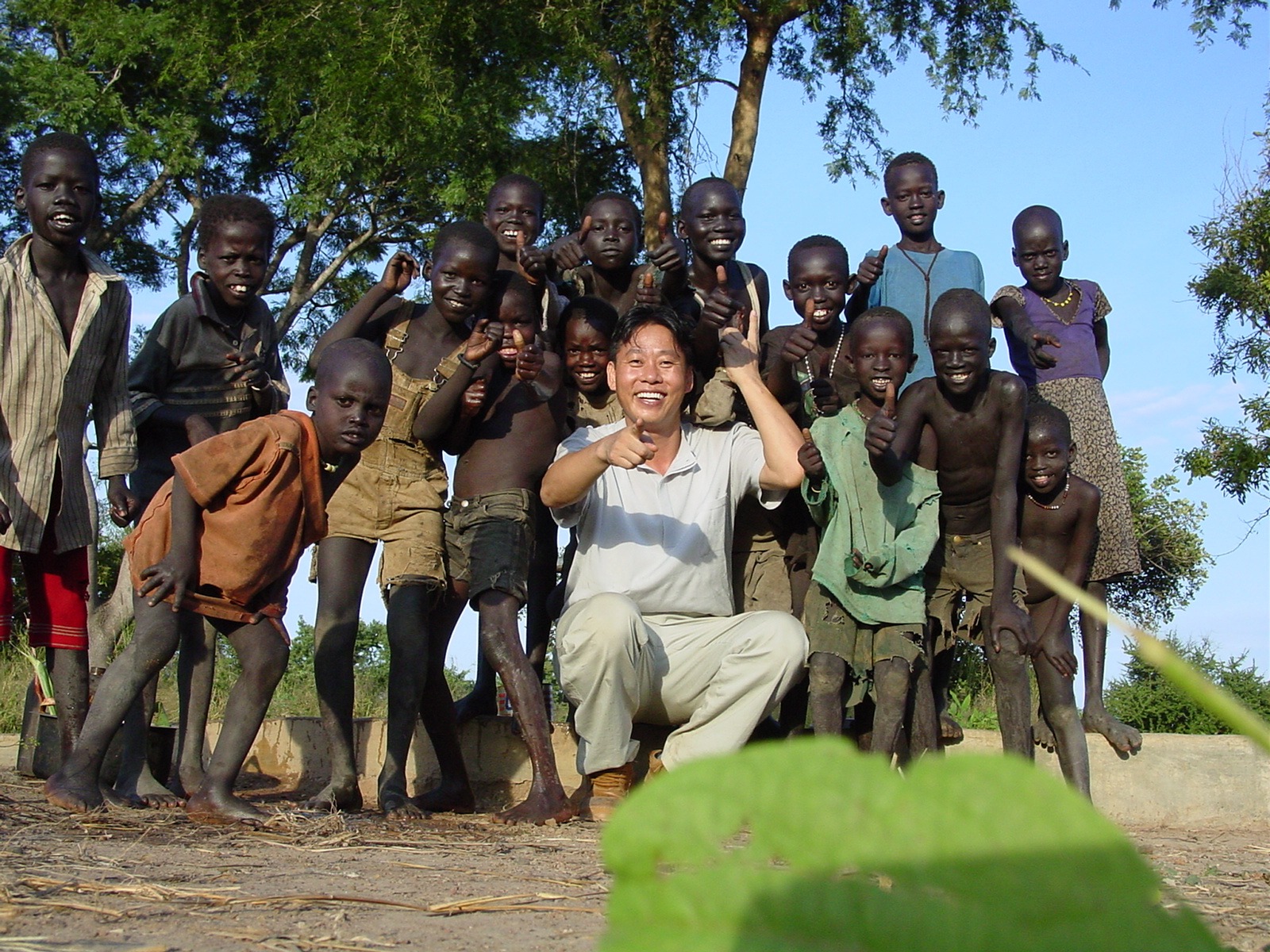
Between 200 and 300 people lined up each day, the queue stretching out the clinic door. Once he had seen everyone in that line, he took out the instruments in the evening. The man who built a hospital with twelve beds used the same hands to guide children's fingers on the clarinet. The time Lee Tae-seok spent in Tonj, Warrap State, South Sudan, was a repetition of days like that.
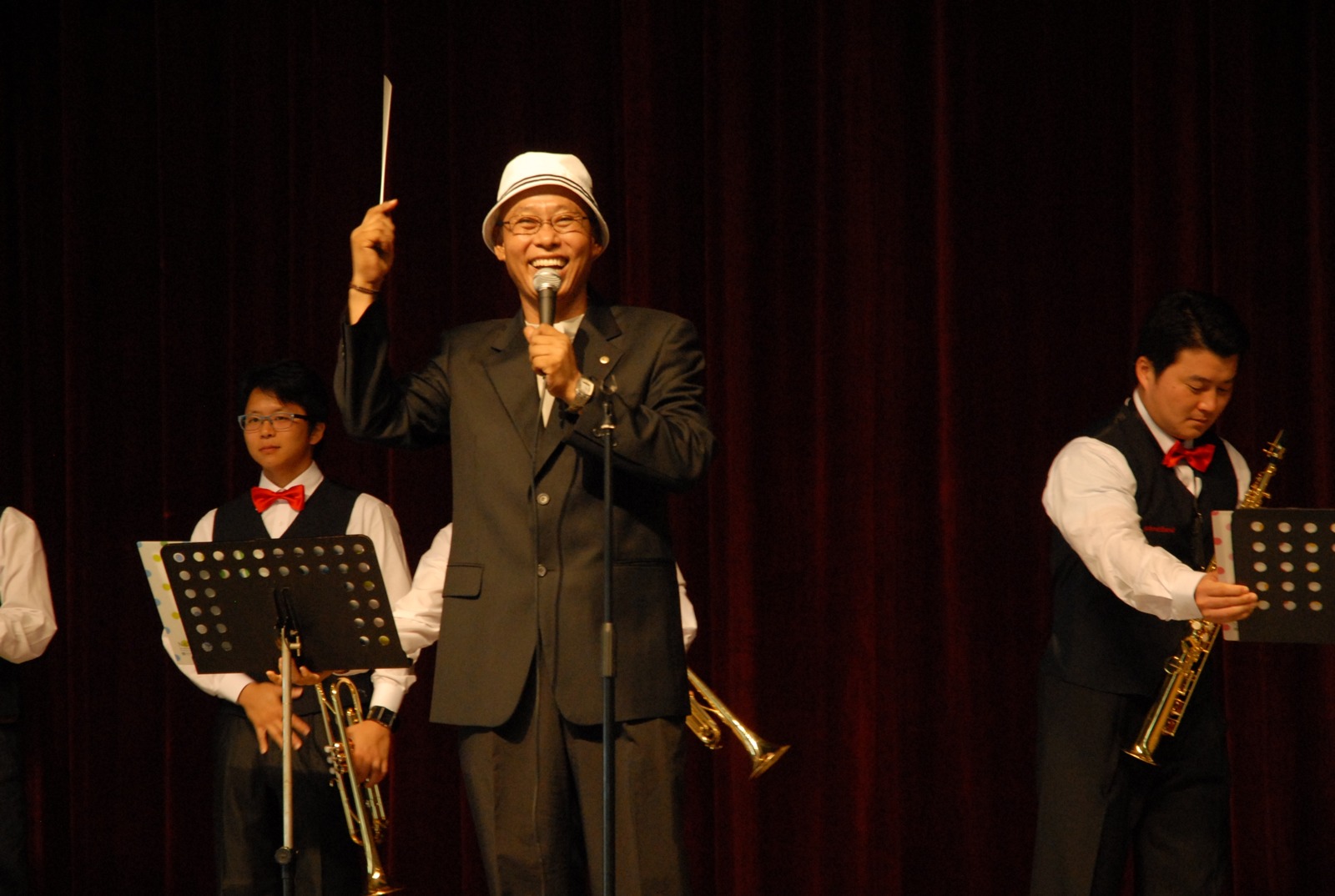
Lee Tae-seok was born in 1962 in Nambumin-dong, Busan, the ninth of ten children. He graduated from the Inje University College of Medicine in 1987, served as a military doctor, and entered the Salesians of Don Bosco in 1991. He was ordained a priest in June 2001, took up his post in Tonj in December that year, and created a hospital, a school, a dormitory and the Tonj brass band.
He returned to Korea on leave in November 2008 and was diagnosed with stage 4 colon cancer, and he died at Seoul St. Mary's Hospital on January 14, 2010, at the age of 47. His life was recorded in the film "Don't Cry for Me Sudan."
Q1. During a school break in 1999 you stopped in Kenya, met Father James from India, and went to Tonj. Why did a man studying theology in Rome settle his course from that single visit?
What I saw there was exactly the scene I had carried with me for a long time. In elementary school I watched a film at the neighborhood church about Father Damien, who lived with the leprosy patients on the island of Molokai. I decided then to live a life like that, but I did not know where to place that resolve, so I finished medical school, served as a military doctor, and entered the religious order.
After seeing the sick people in Tonj, the scattered pieces fell into a single line. The medical license, teaching myself the church organ, choosing the Salesians who work in youth education. That village needed all of it.
Q2. In Tonj you built a hospital and a school at the same time, and you even created a brass band. The day must have been too short for the clinic work alone, so why did you teach instruments?
There were illnesses a syringe could not reach. It was a village that had been through civil war, so it was not strange to see children carrying guns, and something else had to be placed in those hands. A horn makes no sound unless you blow breath into it. Learning to use their breath evenly was part of the treatment for those children.
I put together a twelve-year course covering elementary, middle and high school, and taught mathematics and music. I built the dormitory for the same reason. If there is nowhere to go back to at night, the day's lessons scatter.
I have never thought of healing illness and raising people as separate things. Going around some 80 nearby villages to give vaccinations also meant meeting people before they fell ill.
Q3. A setup where everything rests on one person collapses when that person is gone. When you could not return to Tonj after coming back to Korea in 2008, how did you see that problem?
It was my limitation. The hospital doors have to open even without the director, but I could not reduce the work I did with my own hands. Someone seeing 200 or 300 people a day has no room to look after his own body. Even so, I do not want to use the circumstances as an excuse.
When I received the diagnosis and lay in the hospital bed, what I thought about for a long time was not only the children I had left behind. The school moves up a grade, the band takes in new members, the hospital runs out of medicine. I was late in putting in place people to take that over.
Q4. After your death, organizations using your name appeared and the Salesians issued warnings several times. Had you been alive, how would you have taken that?
My name is not mine. The people of Tonj called me Father Jolly, a nickname that came about because it was easy to pronounce, not a decoration. That nickname becoming a fundraising slogan has nothing to do with what I did in Tonj.
The order stepping in to block commercial use is a way of protecting the people who give money trusting that name. Support should be directed at people, not at a story.
Q5. Breath Journal meets people around the axis of "breath and rest." You said you came to feel grateful to the leprosy patients instead, so does that mean the one who cares receives something from caring?
Yes. When you take hold of a hand that has lost its fingers, it becomes clear what you are holding on to in your own life. I gave them medicine and they told me why I was there. If you think the giving and receiving always goes one way, care does not last long.
I do not understand the word hospice as a technique for dying. It is the work of remaining beside someone who can no longer be cured. In Tonj there were many cases we could not cure because there was no medicine, and at those times all I could do was sit beside them.
That is how breath works. The breath of a child blowing a horn, the labored breath of a patient with a fever, the last breath of a person nearing death all come out of the same lungs. If you divide them into separate matters, the person is broken into pieces.
Q6. In Korea in 2026, caregivers keep breaking down from exhaustion. As someone who worked in Tonj without looking after his own body and fell ill, what would you say to those people now?
Please do not read my case as an inspiring story. Until 2008 I passed over every signal my body sent. The result was a stage 4 diagnosis, and I could not return to Tonj. Burnout dressed up as devotion ends up bringing care to a halt.
Caring for those who care has to be built into the system. Whether there is someone to take a shift, whether there is someone to open the doors on a day off, decides how many years that care lasts. Rather than praising people who hold out alone for a long time, it is better not to leave them alone.
I built one hospital, but I did not manage to set up a rotation. That is what I regret most.
Q7. In 2005, on hearing news of the peace agreement between north and south Sudan, you wrote "Shukran Baba." You say there is a scene you would rather leave to the next generation than that piece?
More than the piece, it is the sound itself. When the children gather in the yard in the evening with their instruments, at first everything is out of line. After a few months, thirty breaths come in on the same beat.
In that moment, who belongs to which tribe, who once carried a gun, does not show in the sound. That is the yard I want to show. That yard is everything I did in Tonj.
This piece is not an actual interview. It is an imagined interview reconstructed by Breath Journal based on Lee Tae-seok's life, writings and the records he left behind. The questions were written by our reporter and the answers were drawn from his writings and his life's work.