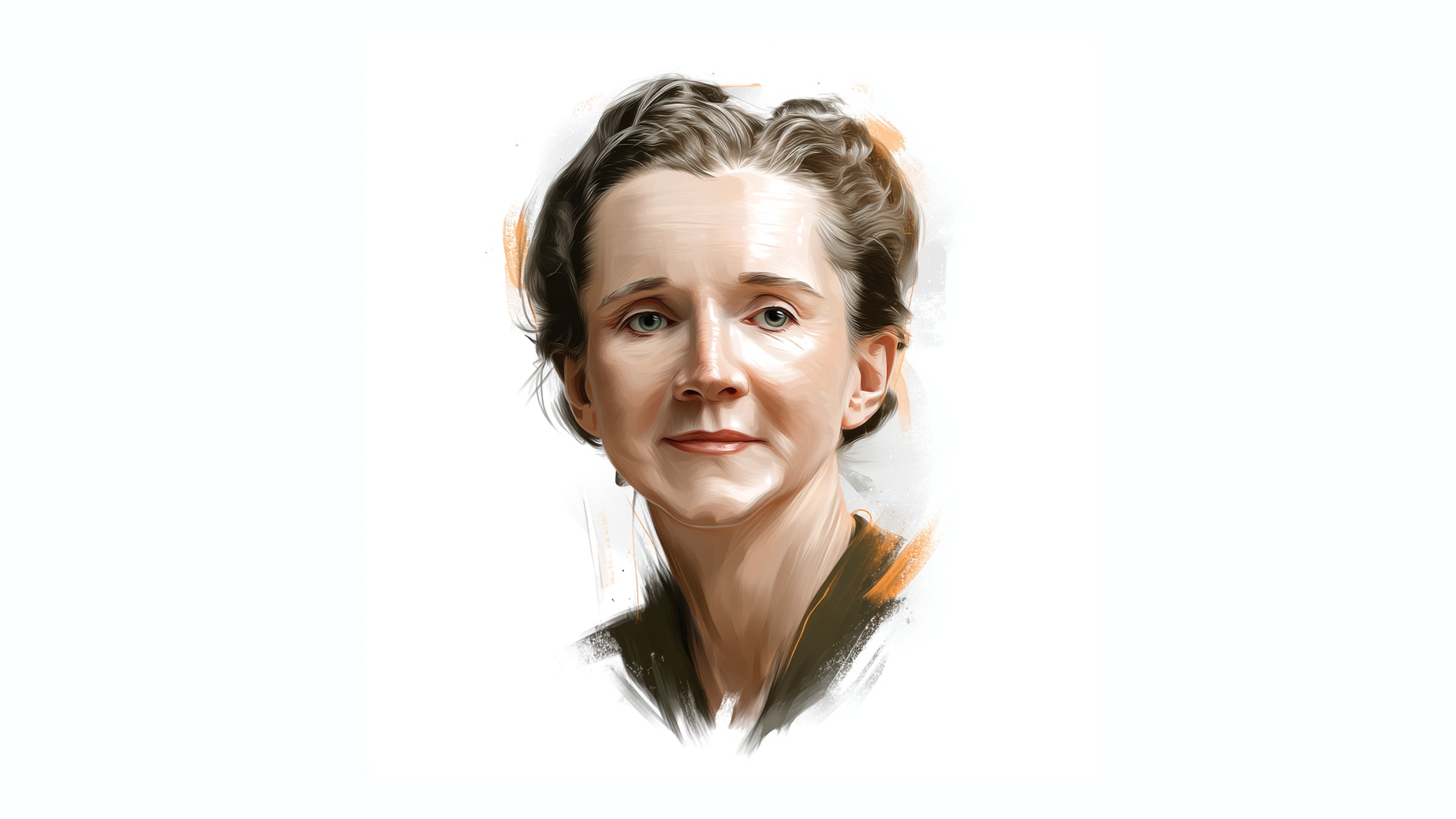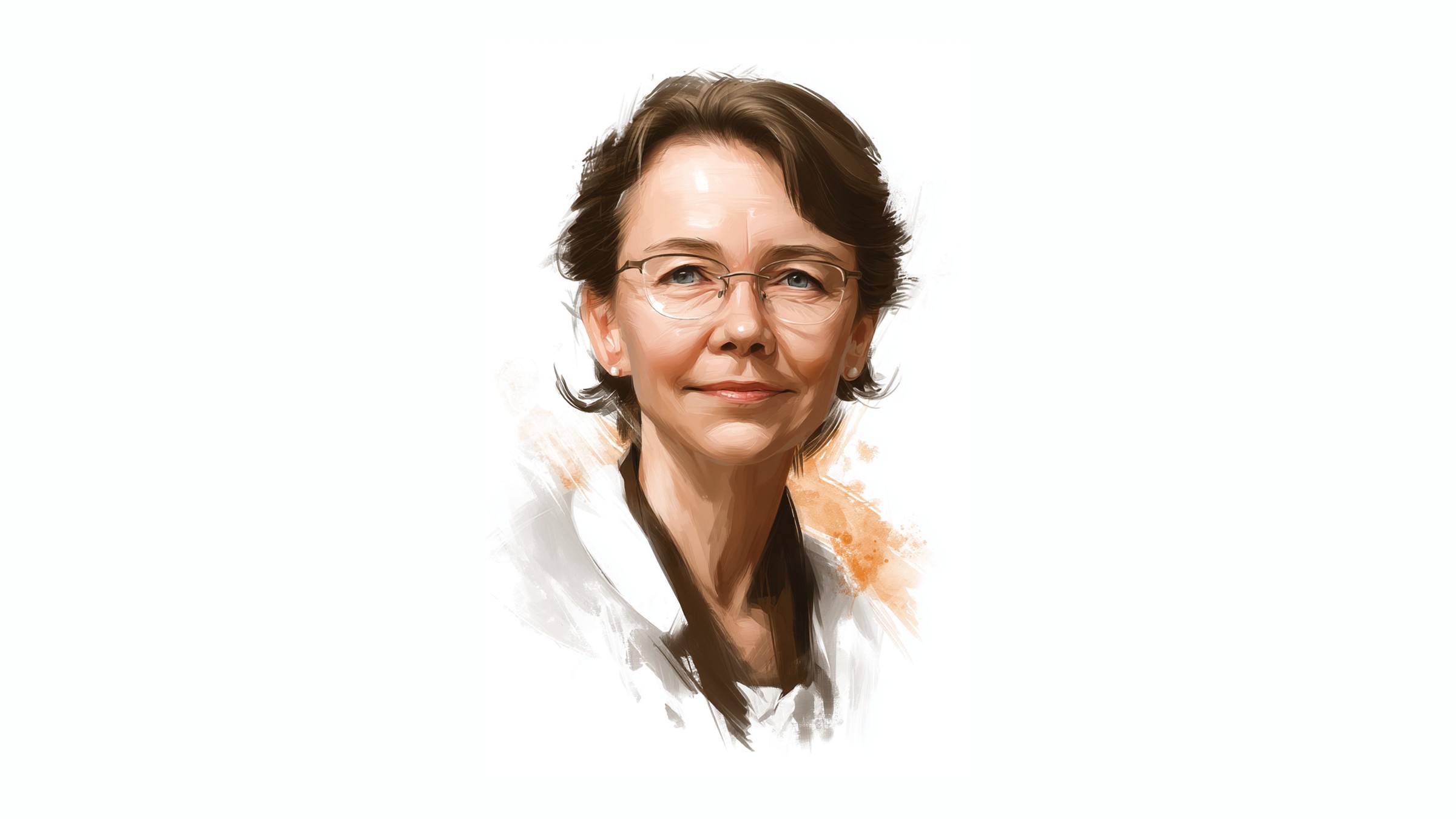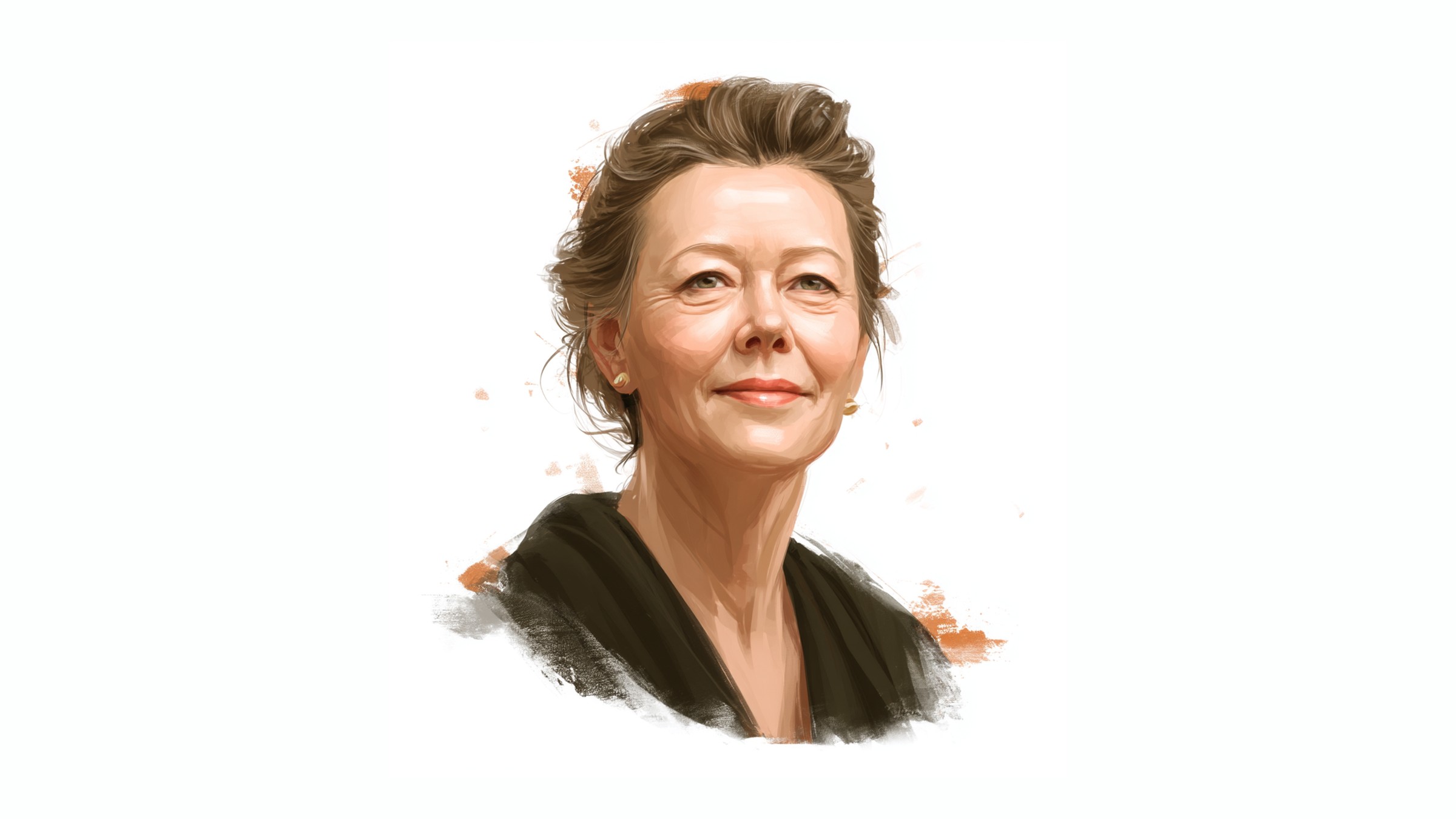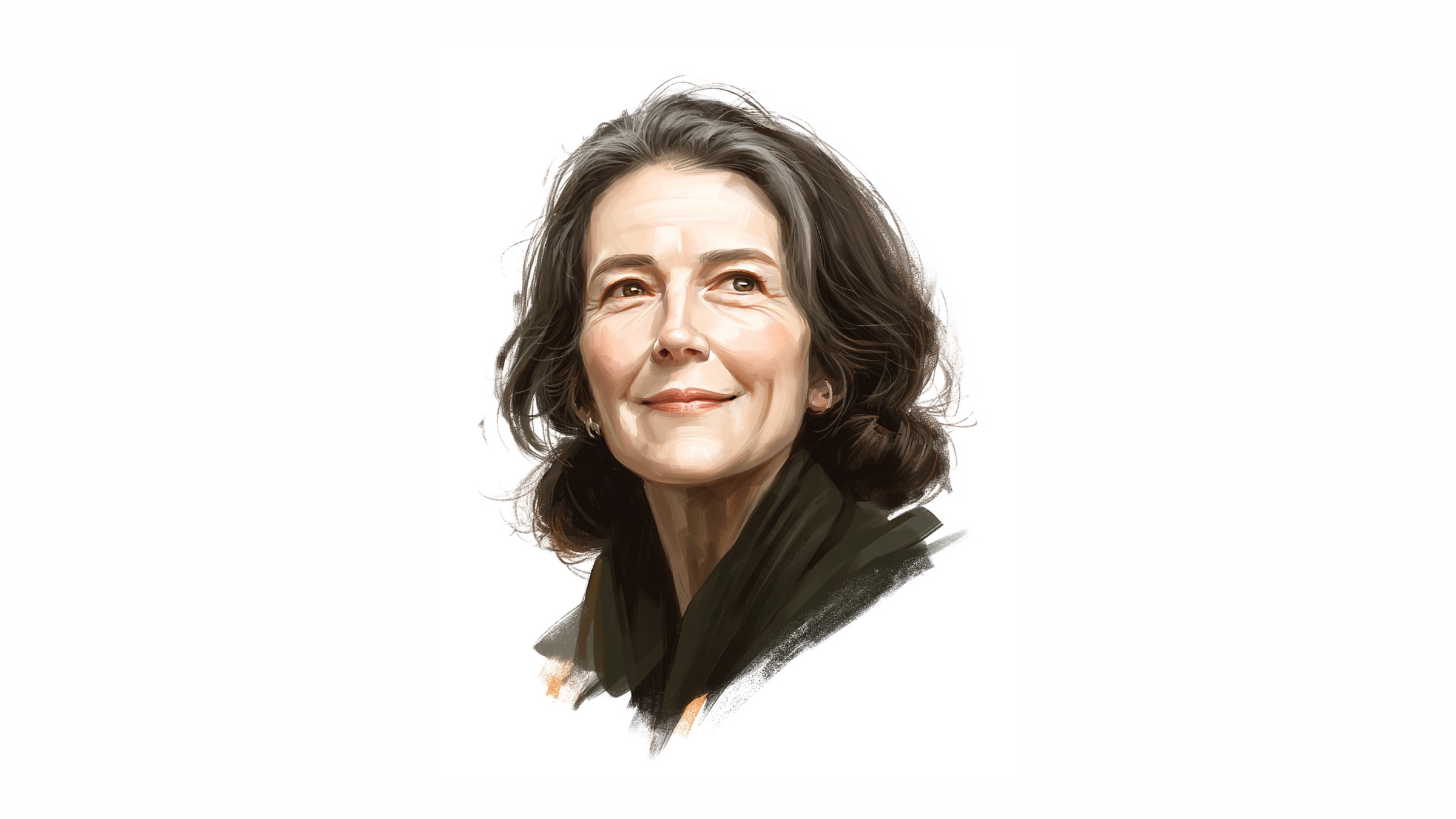
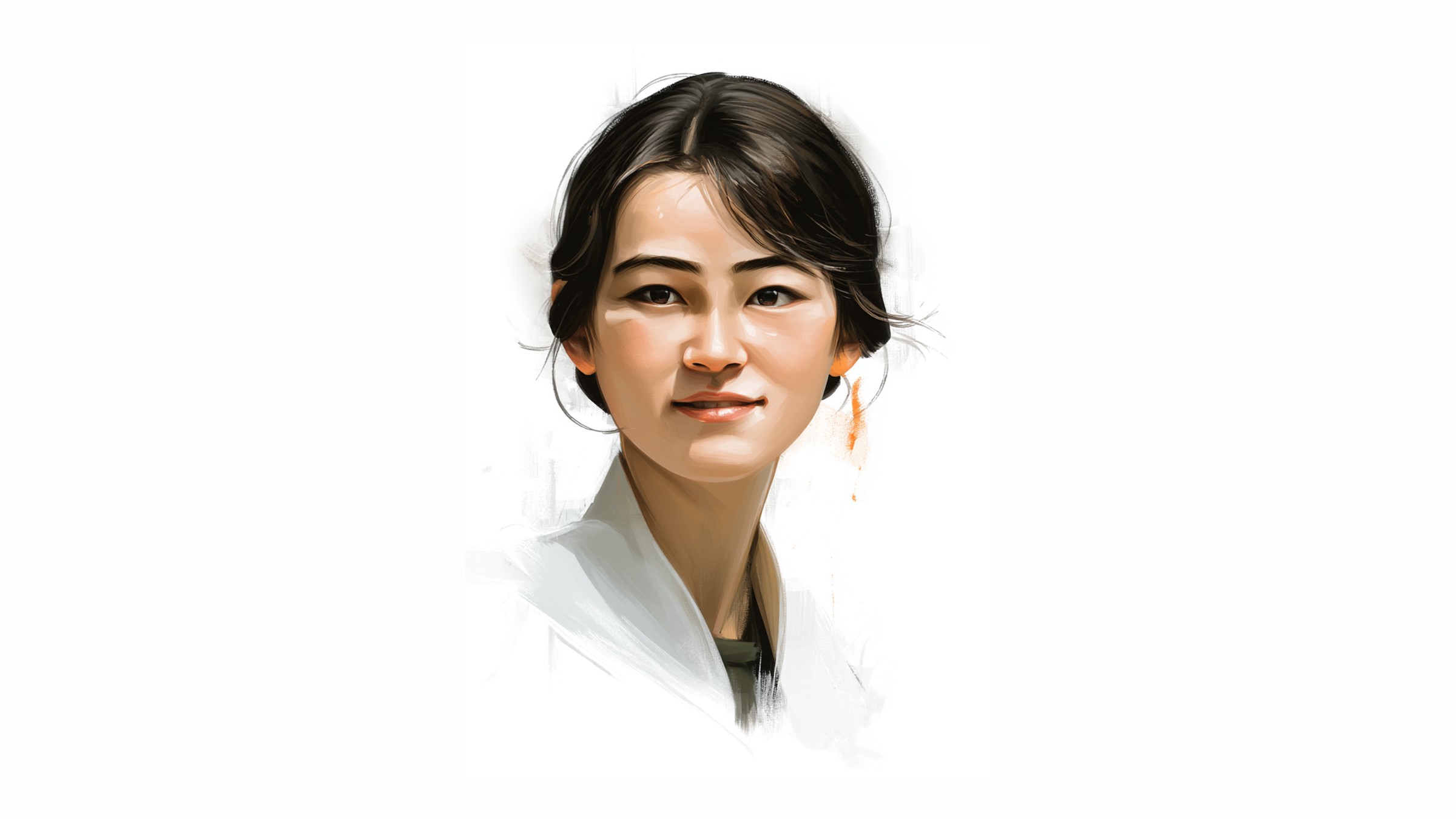
In a London boarding house, a sixteen-year-old girl watched over the landlady's shoulder as she drew plans. It was the spring of 1920, and she had just crossed over to Europe with her father Lin Changmin. The sight of walls and roofs rising as lines on paper was holding the world in a different way from the poetry collections she had been reading. She herself did not know that room would later lead to the dirt roads and old temple halls of Shanxi.
Lin Huiyin (林徽因, 1904-1955) was born in Hangzhou and grew up a daughter of a family from Minhou, Fujian. In 1924 she entered the University of Pennsylvania, registered in the fine arts department while taking architecture courses, and studied stage design at Yale University. With Liang Sicheng she stood at the architecture department of Northeastern University in 1928, and she wrote poetry and prose among the Crescent Moon Society and the Beijing school of writers.
Reading through the holdings of the Society for Research in Chinese Architecture together with Liang Sicheng, she found Foguang Temple on Mount Wutai. After 1949 she was a professor at Tsinghua University and took part in the design of the national emblem and the Monument to the People's Heroes, and she died of illness at fifty-one.
Q1. In London in 1920 your boarding house landlady urged you toward architecture. Why did a girl who wrote poetry turn to architecture?
Poetry came out of me, and architecture stood outside me. Around the time I was attending St Mary's College in London I read a great deal of Western literature, and the more I read the more curious I became about the single room where a person actually lays down their body. The landlady did not boast about her work. She simply raised walls on paper and erased them.
I was drawn to the movement of her hands. A sentence can be rewritten and that is that, but a badly raised column injures people. That the responsibility was heavy was in fact what I liked. Even after I returned to Beijing in 1921 and went back to Peihua Girls' School, that thought did not fade.
Q2. In 1928 at Northeastern University you searched old texts with Liang Sicheng to trace Tang dynasty architecture, and you reached Foguang Temple on Mount Wutai. What was surveying actually like?
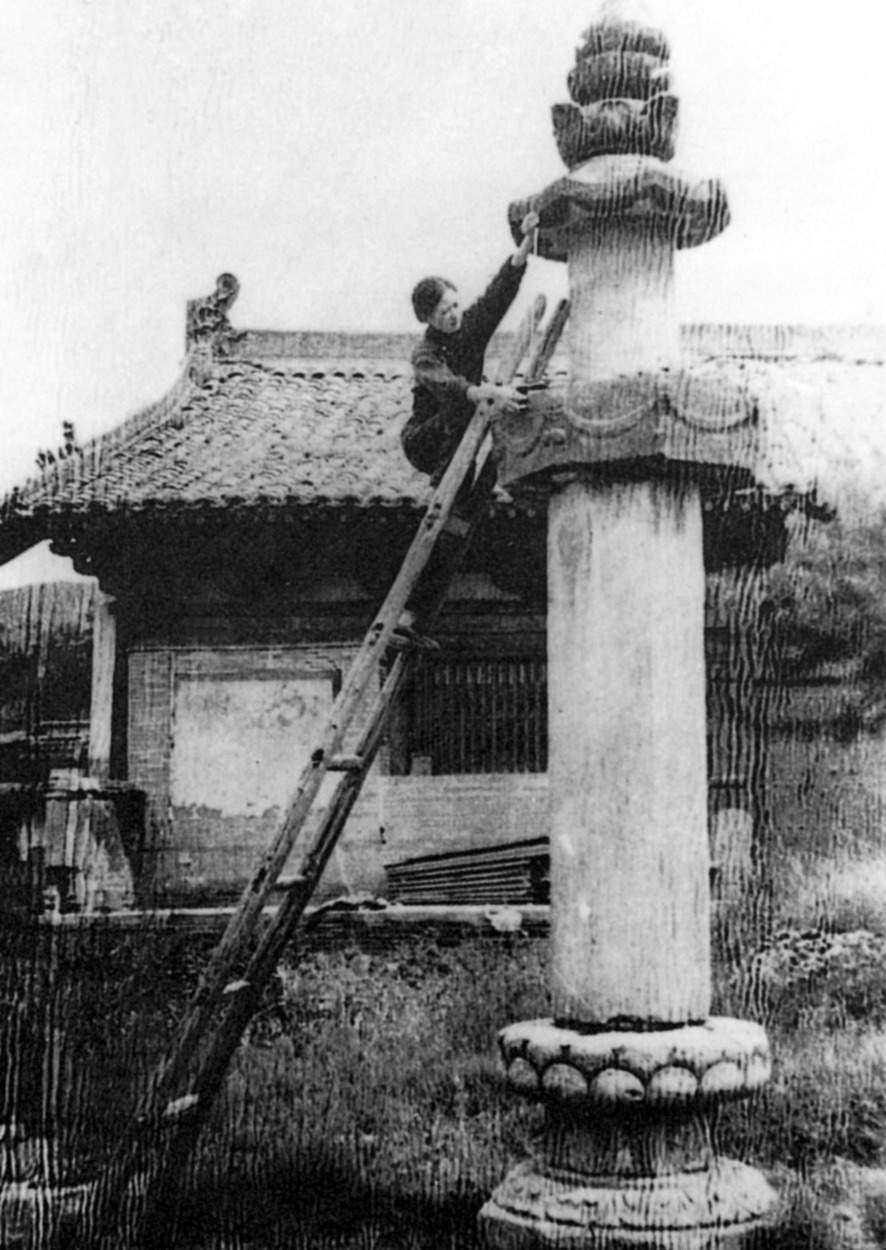
It starts with the smell of dust. When you go inside old timber, a smell of dry wood, incense and bat droppings mixed together hits your nose. You look up at the bracket sets and count with your eyes, you set a ladder and climb up and feel them with your hands, you measure with a rule and write it down. The wood is cool against the palm and the grain reads coarse.
The names written in the texts alone do not tell you where a building survives. Dividing several hundred Tang buildings and place names between us, Liang Sicheng and I read them and guessed what might remain where, and we walked the dirt roads carrying those guesses. Most of the time it came to nothing.
At Foguang Temple I confirmed old traces in the darkness under the rafters. That I did not write a poem about how I felt at that moment still seems strange to me now. It must have been because my hands were busy drawing the plans.
Q3. At the University of Pennsylvania you learned architecture but your enrollment was in the fine arts department. How did you endure that?
I was angry. I was angry for a long time. That what I was learning and the name written on the documents did not match was something I never came to accept.
There were limits on my side too. I could learn because I was born into a well-off family and traveled through Europe with my father. Most women of that time had no such passage. Whenever I speak of the unfairness I received, it is only fair to speak of the share I enjoyed as well.
Q4. You said the name written on the documents did not match. Did the way you left a record of your own work change afterward?
There was no way but to leave it in drawings and survey records. So I measured more and drew more. I also kept writing poetry and prose. Architecture and literature were the same attitude for me.
After my body broke down I had to hand the measuring over to others. After 1949 I held on to the repair of old buildings with Liang Sicheng at Tsinghua University, but I was often lying down. That was when I learned how to fill with words the places my hands could not reach.
Q5. You took part in the design of the national emblem and the Monument to the People's Heroes, and at the same time you worked to protect old buildings. Did building anew and leaving things standing not collide?
They collided. A city belongs to the living, and the living want what is new. Old walls and old temple halls block roads and eat money. If you speak of preservation without knowing those circumstances, no one listens.
So I tried to draw old techniques into new work. Cloisonné craft is such a case. An old skill dies when it is laid down in a museum and lives when today's hands take hold of it. I also know that in that process the original thing wears down bit by bit.
To accept the wearing down and use it, or to leave it whole and be forgotten. I will not call either one a clean answer. Going forward while quarreling is more honest.
Q6. Today in 2026, cities are torn down far faster and heritage has become a tourism product. As a surveyor who measured by hand, how does preservation now look to you?
Machines will measure far more precisely. I envy that. But measuring and knowing are different.
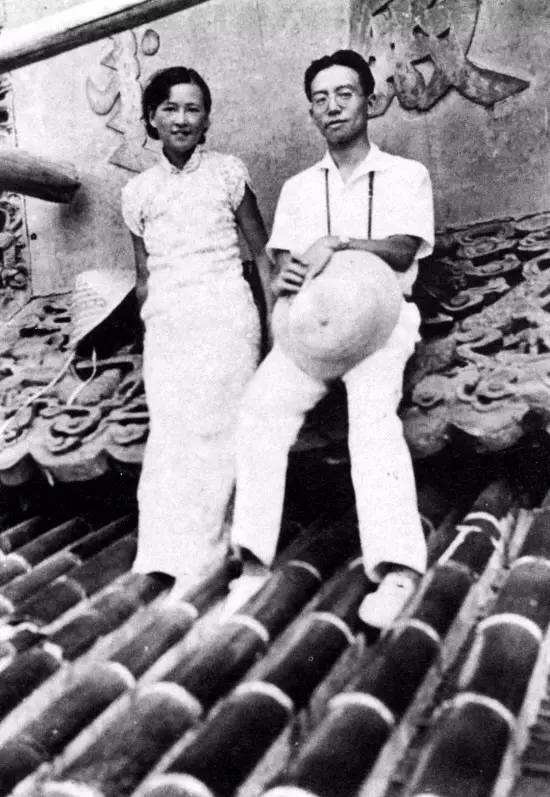
There are things only a person who has climbed a ladder and put their nose to the darkness under the eaves knows. How that building sheds rain and where it begins to rot, the body knows.
I will not say it is bad that heritage becomes money. If it does not become money, the people who say we should protect it disappear too. What matters is whether what has been earned goes back into the columns of that building. Selling tickets to widen a plaza while the rafters are left to rot will be common.
When you restore a building you tear out the damaged members. The time those members held goes out with them. Before fitting in new wood, I would like there to be someone at that site who looks at the old wood that has been pulled out for a few days.
Q7. In 2024 that university gave you an architecture degree. What do you want to leave to those who come after?
That there are things that take a hundred years. In that time I died, and still the paper came. Like the black wall my niece Maya Lin raised in Washington, some things arrive late.
One ladder is enough. Lean it under an old roof, climb up and put your hand on the cool wood.
Foguang Temple still stands on Mount Wutai in Shanxi Province. The bracket sets are still dark, and the smell of timber on a summer afternoon will not be much different from that of the days when she raised her ladder. People draw the plans, but wood does not wait for people. There were never enough people to look up at the ladder.
This piece is not an actual interview. It is an imagined interview reconstructed by Breath Journal based on Lin Huiyin's life, writings and the records she left behind. The questions were written by the reporter and the answers were drawn from her writings and her career.