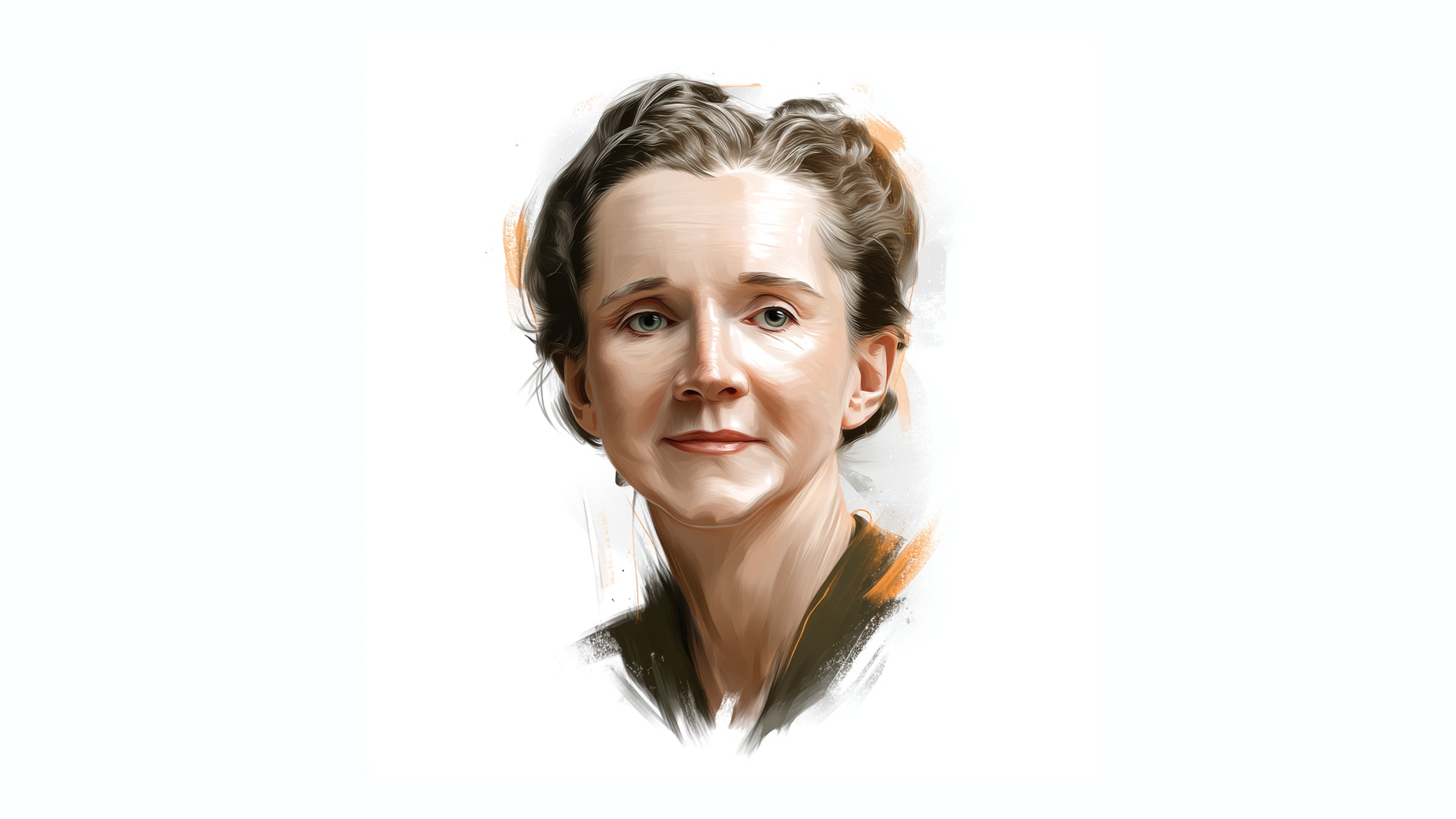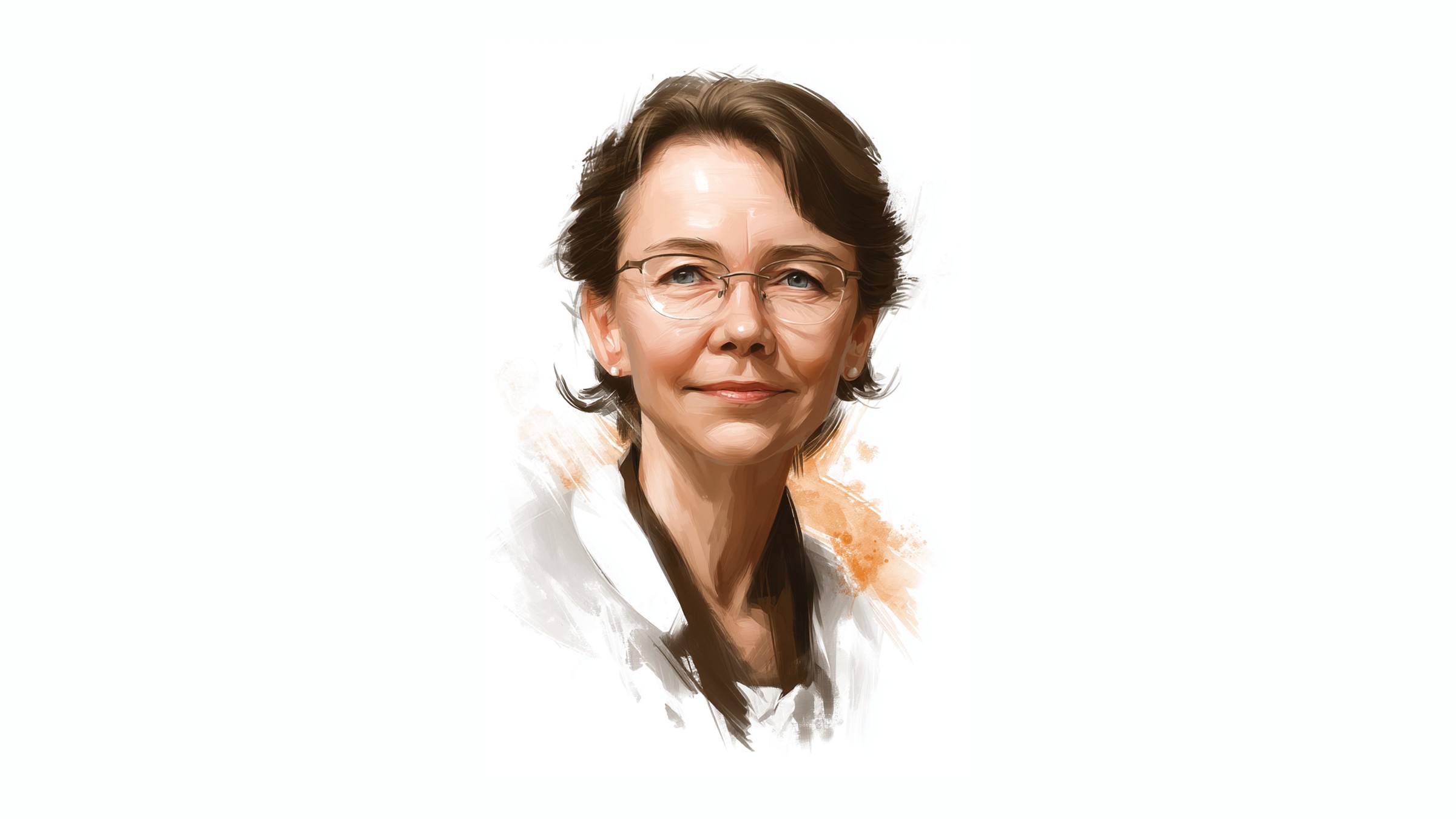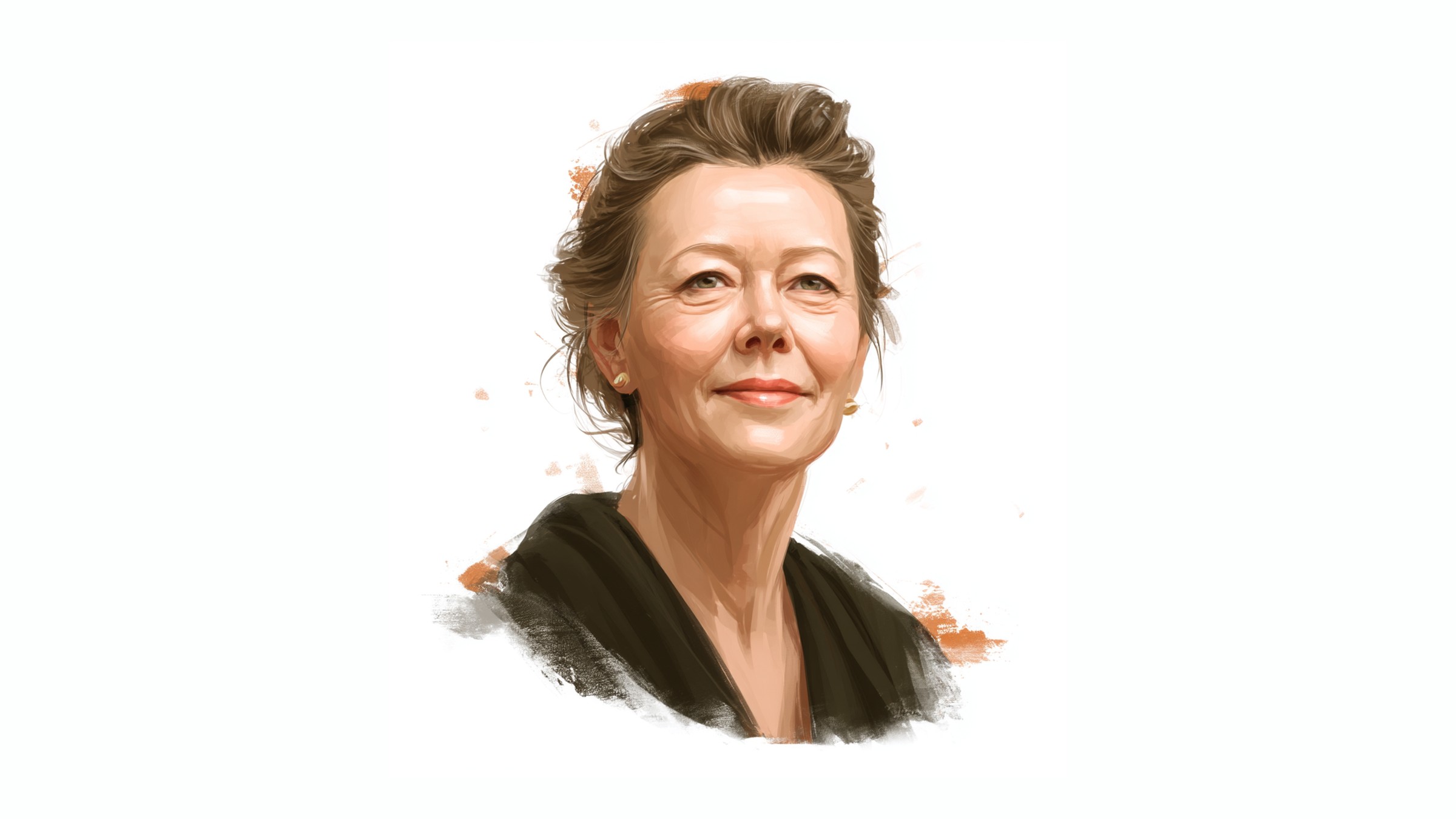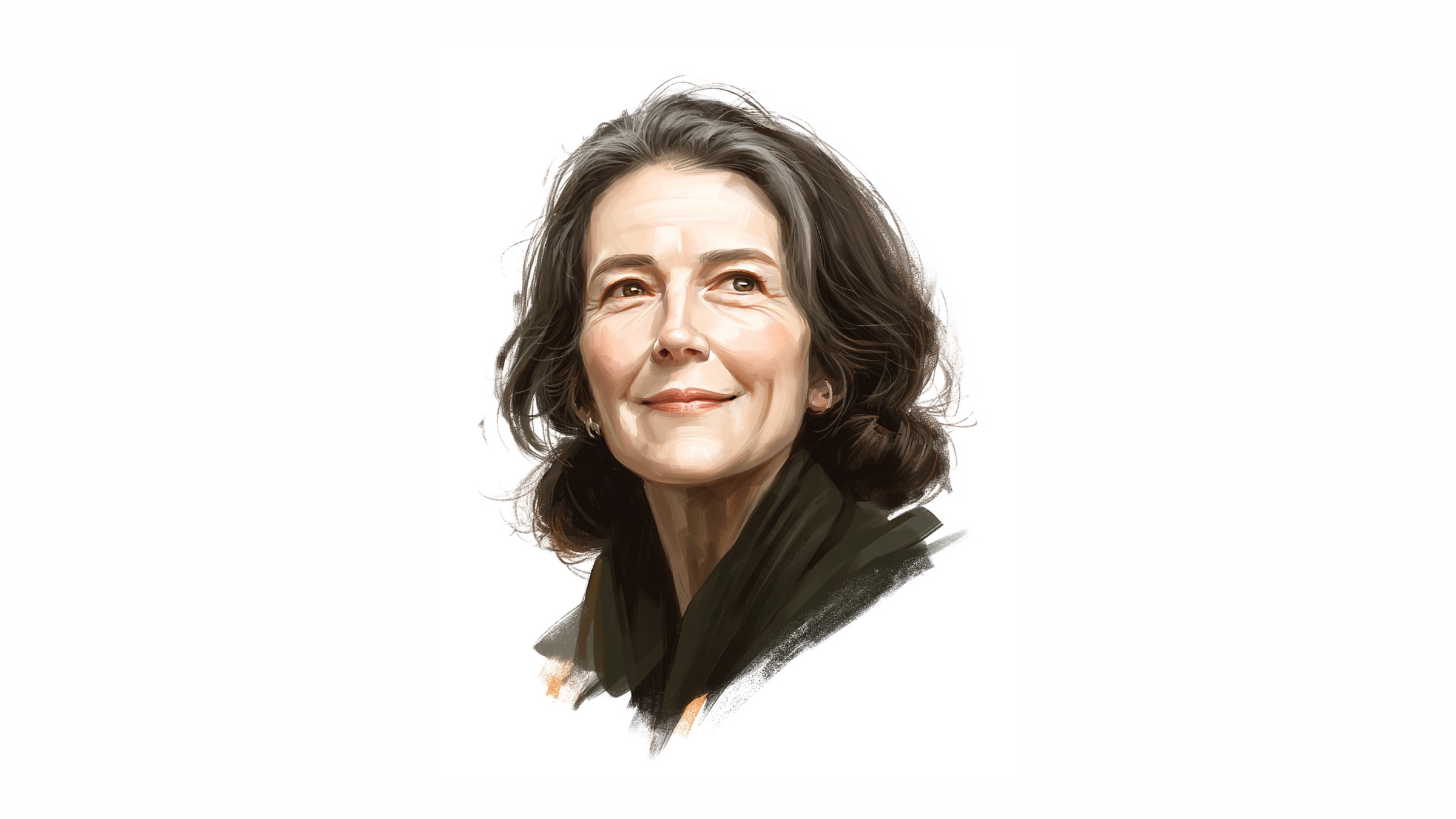
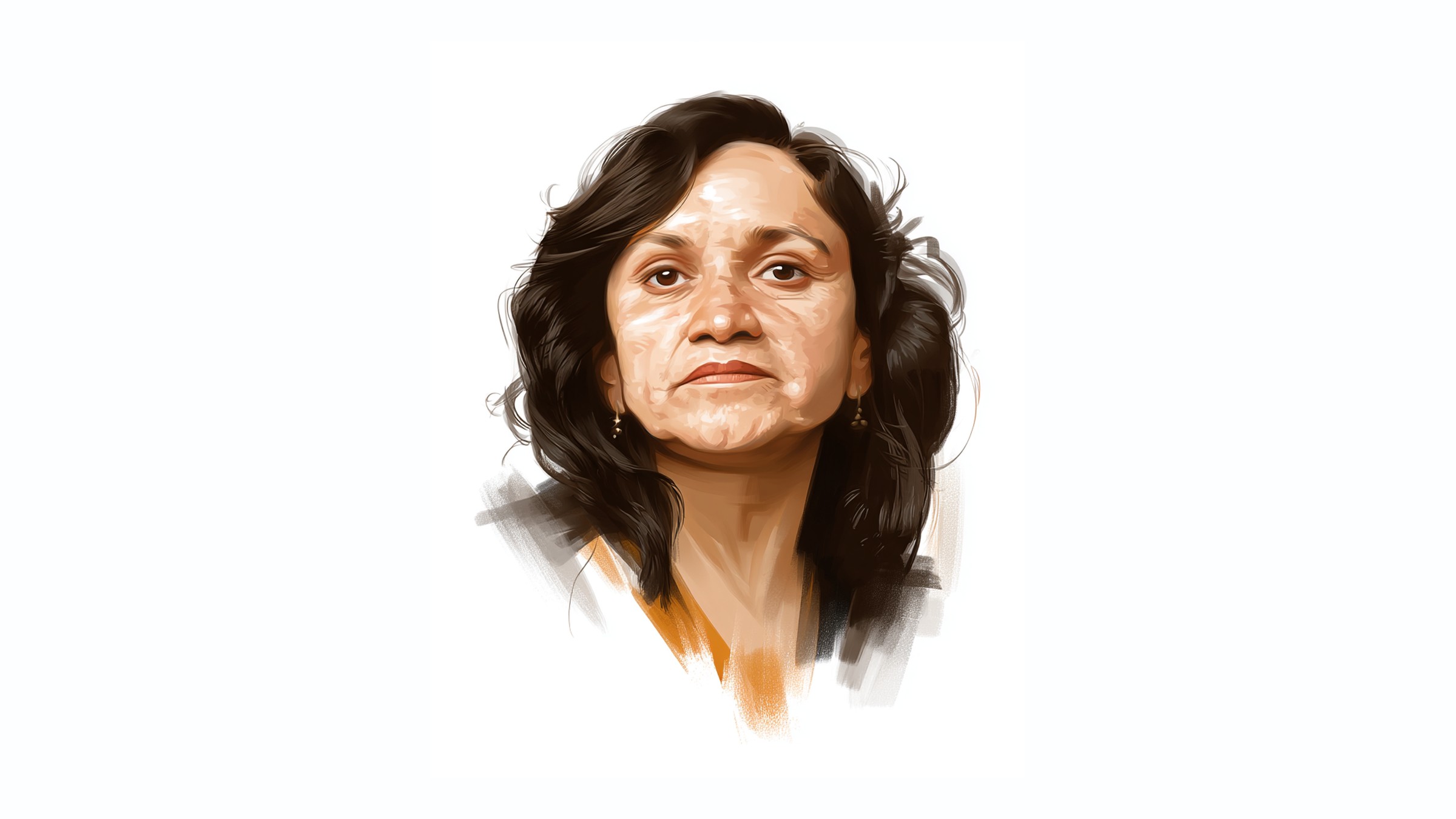
One summer in 1952, she sat in the dirt yard of a Chilean country village, writing down an old man's melody. In her hands were a notebook and pencil, and an ear that listened for a long time. The songs gathered that way were released from 1957 on as the series "El folklore de Chile." Only after her death did the world call her name properly.
Violeta del Carmen Parra Sandoval was born on October 4, 1917, in San Carlos in southern Chile. She was one of nine siblings, born to a father who was a music teacher and a mother who was a seamstress raised in the countryside. In 1927 the family moved to Chillán, where she picked up the guitar with her siblings, and in 1932 she came up to Santiago at the urging of her older brother Nicanor.
An invitation to the 1955 World Festival of Youth in Warsaw led her to stay in Paris, where she recorded albums and hung her own craftwork in the Louvre, and in 1960 she founded a folk art museum in Concepción. On February 5, 1967, she ended her own life, and her birthday later became Chilean Musicians' Day.
Q1. Before 1952 you sang boleros, rancheras and Spanish-style songs. Is it true that you threw out that whole repertoire at your brother Nicanor's urging?
I threw it out. Until then I was selling other people's songs in restaurants and theaters under the name "Violeta de Mayo." If I imitated a Lolita Torres number, the applause came.
My brother said, where are the songs of your own country. That made me angry, and still angry I packed my bags and went to the countryside. I was living among people in the city who listened to European music, while the melodies of our own land were disappearing a few every year from the memories of old people.
Q2. What was your method of collecting? I hear you learned the 25-string guitarrón from a tenant farmer named Isaías Angulo.
Don Isaías's house had a dirt floor, and the guitarrón has a big body and twenty-five strings, so at first my arms could not reach around it. The wood had gone black from the oil of hands, and when you plucked the low strings the floor of the room rang along with them. A sound like that does not transfer onto a score.
So I did not bring back only the songs. I learned with my body who sang them, when, in which yard, and where the feet turn when you dance the cueca. In 1954, when I had a radio program, most of the recording was done outside the studio. I went to the places where the songs were actually sung, places like the restaurant my mother used to run in Barrancas.
That is why in 1958 and 1959 I put out the cuecas and the tonadas as separate collections. The forms have to be kept as forms, so that the next person can make new songs inside them.
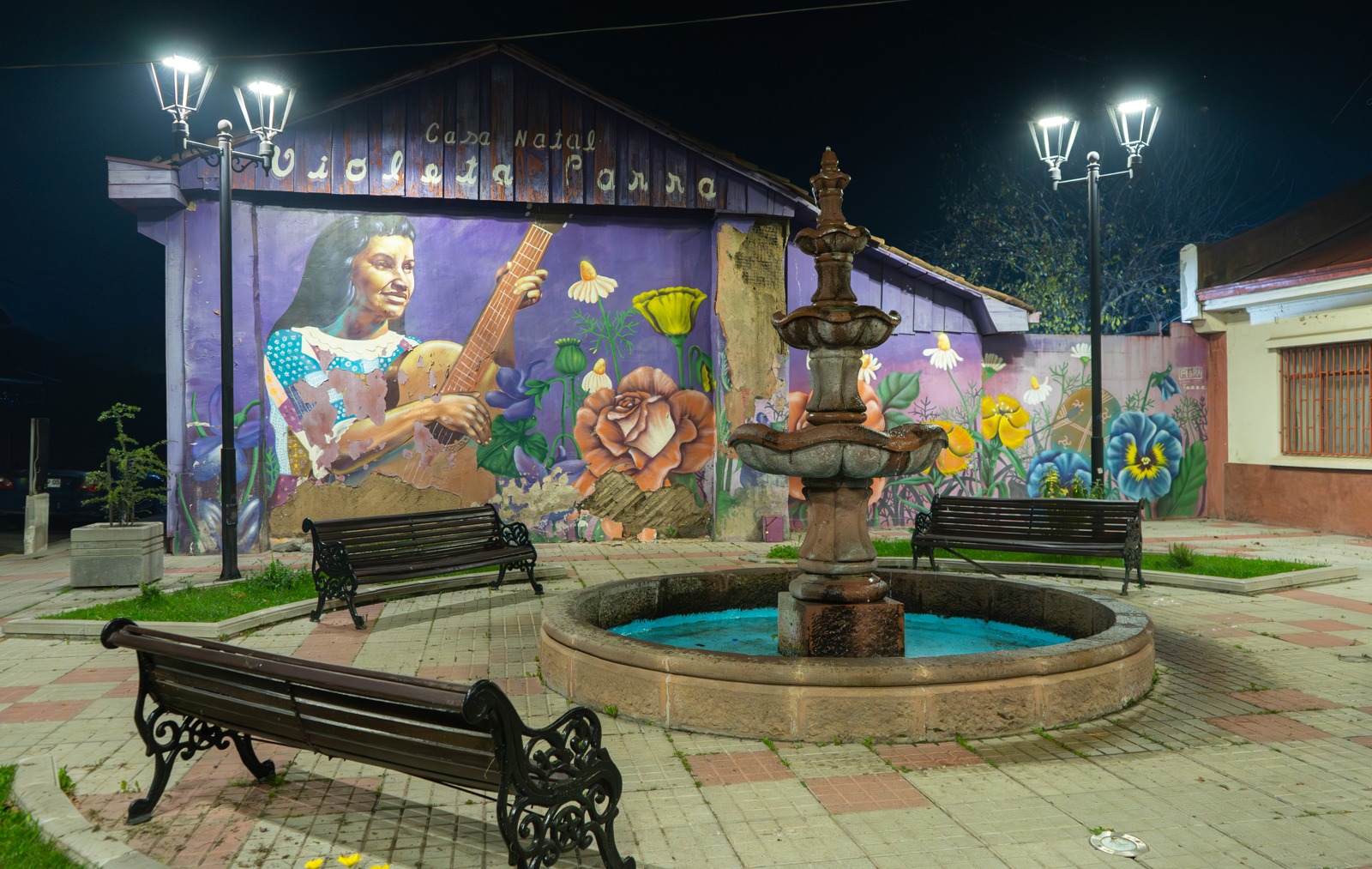
Q3. You did not leave what you collected as it was, but rewrote it into your own songs. Were there no accusations that you were damaging the original form?
There were. Some people believed folklore should be stuffed and mounted, and they said it was impure of me to borrow old forms to tell my own story. It was because of those looks that I slipped three of my own songs onto my first album in 1957.
I do not think a song survives inside a glass case. If I do not rewrite and sing the ten-line décima the old man used to sing, that form ends with me. Of course something changes as it passes through my hands. Carrying that responsibility too is the work of the person who collects.
Q4. The venue you built on the outskirts of Santiago did not go as you hoped. It contrasts with the success of your children's Peña de los Parra in 1965.
Isabel and Ángel's café was downtown and young people came on foot. My tent was on the outskirts, and when it rained nobody came. In winter the canvas soaked through and sagged heavy, and inside you could see your breath.
It is more accurate to say I failed. I believed people would travel a long way to hear songs, but life is not that leisurely. The album made in that tent in 1966 survives, so I think it was not entirely in vain.
Q5. You left a guitarrón and your field tapes at the Musée de l'Homme in Paris, and hung handmade craftwork in the Louvre. Why did a singer pick up a needle?
My mother was a seamstress. After my father died of tuberculosis in 1930, we had to make things with our hands to eat. Thread, burlap and thick needles were materials as familiar to me as the guitar.
Songs and embroidery are the same work. Both hold a story, and in both the hand of the maker remains. I think Europeans were surprised by my embroidery because it did not look like a museum object. I only hung on a wall what country women did in their kitchens.
Leaving the tapes in Paris still weighs on me. It is because that place was safe.
Q6. In the cultural heritage field of 2026, recording intangible heritage and using it as a tourism resource happen side by side. Between preservation and use, which would you tell people to choose?
I think the word choose is wrong to begin with. I dug songs out and put them on the radio, I became famous for it, and with that fame I went back down to the countryside. If you are not known, you do not gain the power to protect anything either.
There is a line, of course. If the person who sang a song ends up never knowing where their song is used, that does not amount to collecting, it becomes simply taking. I cannot say I always kept that line well myself.
Piling up records protects nothing by itself. If nobody sings that melody today, the tape is a soundless box.
Q7. What would you like to leave to those who come after you?
I have never lived with something set aside to leave behind. Still, if a melody an old man sang in some yard passed through my notebook and carried on in Isabel's voice, that is enough, the chain has grown by one link.
In La Reina there was a wooden house I built with my own hands. The sound of driving nails and fitting boards is still in my ears.
If you are walking in Santiago, please look in at the old bar alleys near the Mapocho, or at the folk art museum held by the University of Concepción. If someone there is plucking the low strings of a guitarrón, my work is going on, unfinished.
This piece is not an actual interview. It is an imagined interview reconstructed by Breath Journal on the basis of Violeta Parra's life, her works and the records she left. The questions were written by the reporter and the answers were drawn from her writings and the course of her life.