The height the sea gains over a year has gone from 2mm to 4.3mm. It is a figure contained in the "Third World Ocean Assessment" report released by the UN on June 8, World Oceans Day, local time. The global average rate of sea level rise, which was 2mm a year before 2015, grew more than twofold to 4.3mm a year in 2023.
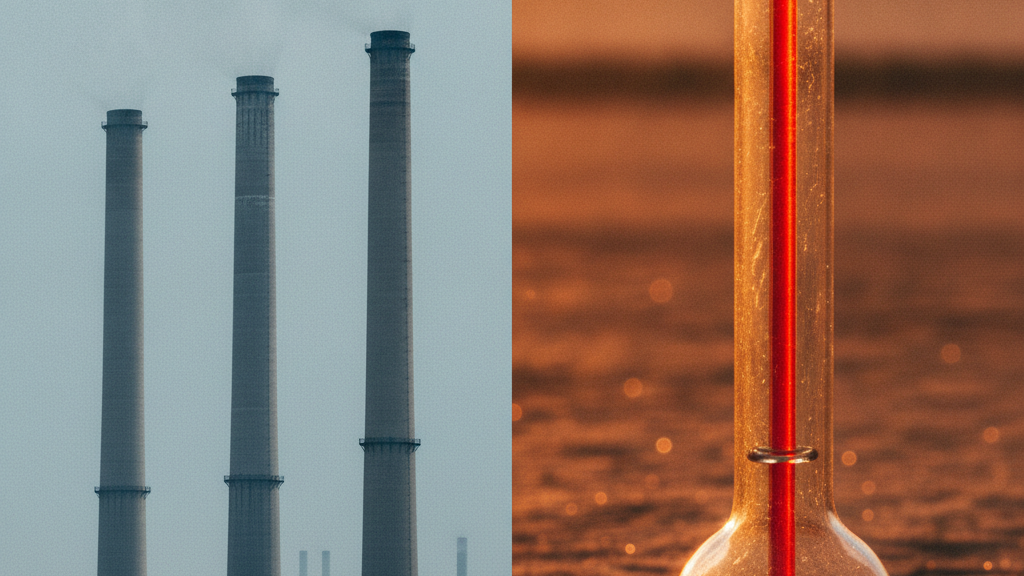
The ocean covers more than 70% of the Earth's surface, regulates the climate, and sustains biodiversity along with food, energy and minerals. In doing so it has absorbed about 90% of the excess heat generated by fossil fuel use and about 30% of the carbon dioxide. Water expands in volume when it is heated. A large share of the cause of rising seas comes from this simple physics.
The timing of the heat buildup is also concentrated in recent years. Of the total increase in heat energy absorbed by the ocean since 1955, about 16% occurred in the short span since 2018. The areas where warming has been observed relatively quickly are the Atlantic, the Indian Ocean and the South Pacific. It means one sixth of 70 years of accumulation has been concentrated in the last few years.
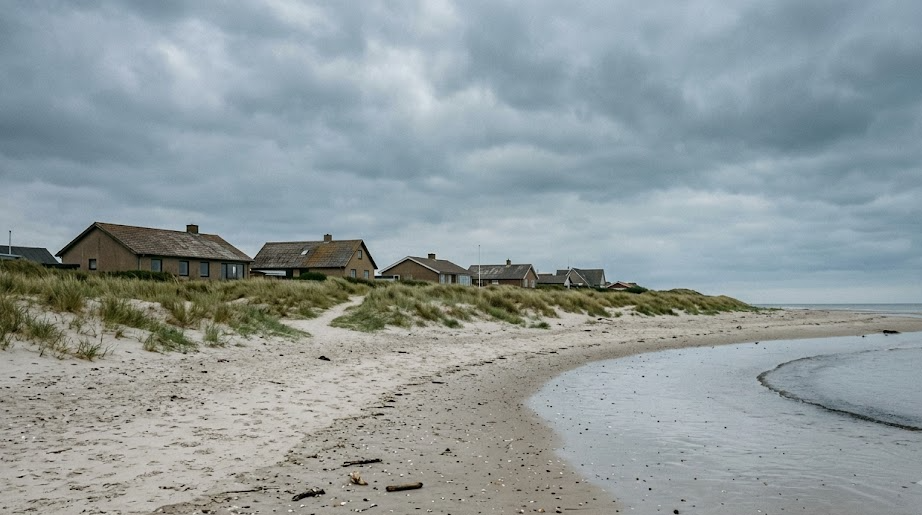
The path by which this change reaches people is clear. More than a third of the world's population lives within 100km of a coast, and 11% live in low-lying areas less than 10m above sea level. When the rate of rise doubles, the design life of breakwaters, drainage capacity and the flooding thresholds for underground infrastructure are all shaken together. The point at which coastal cities must update designs they have put off has been moved up by that much.
Heat is not the only burden the ocean carries. About 52.1 million tons of plastic enter the sea each year, and the microplastic particles broken into fine pieces are estimated at 24.4 trillion. These particles have been found to affect more than 4,000 marine species. Heat and plastic are pressing the same ecosystem at the same time.

The report assessed that some marine ecosystems and habitats have approached or passed tipping points. It also carried a projection that 90% of the world's coral reefs could disappear if the global average temperature exceeds 1.5 degrees above pre-industrial levels. If current trends continue, it held that the Arctic Ocean could reach a state of virtually no sea ice in September by the middle of the 21st century. In the Southern Ocean, which had been considered relatively resistant to climate change, a trend of shrinking sea ice extent is also being observed.
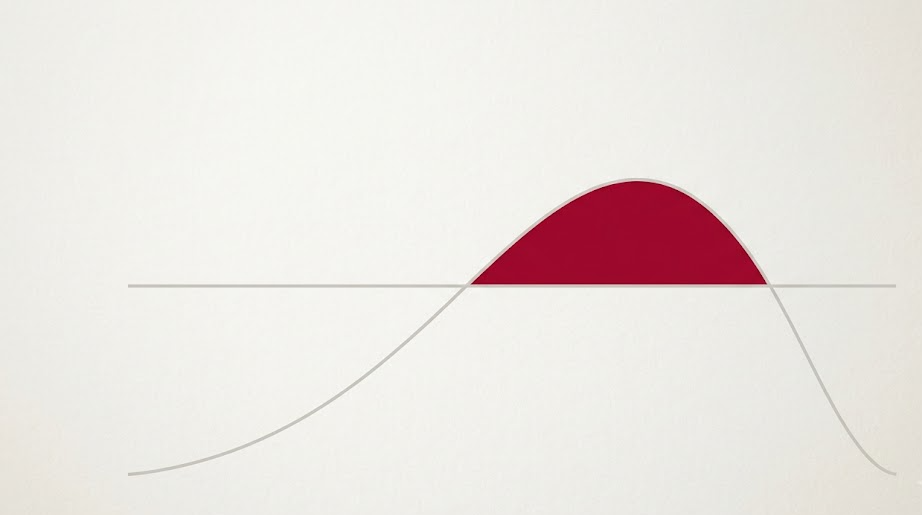
That the causes are clearly heat and carbon from fossil fuel combustion also means that if emissions are reduced, the slope of the rise curve responds. UN Secretary-General António Guterres said the ocean cannot be treated as a limitless resource and called for urgent international cooperation to protect marine ecosystems. The report likewise pointed to the fragmentation of ocean governance by country, region and industry as a weak link.
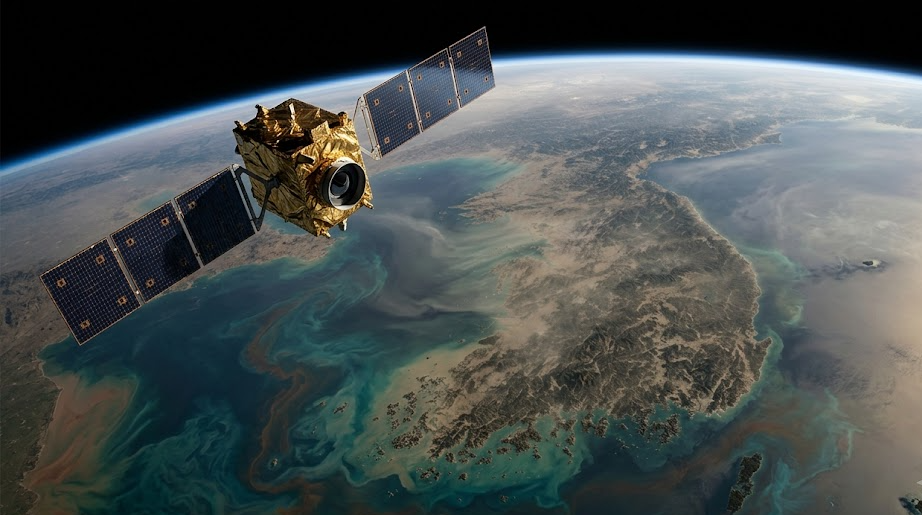
The framework for cooperation itself is being put in place. Including the high seas treaty that entered into force this year, 57 international marine protection agreements are currently in operation. Compared with that, what we know about the ocean remains limited. The share of the world's seafloor that has been mapped stands at around 27% as of 2025.
A willingness-to-pay survey also found that people are willing to pay 461.1 billion won a year for coastal ecosystem conservation. Details of the survey design have not been confirmed, but it can be read as a sign that there is a view that treats the cost of protecting tidal flats and seagrass beds as asset management instead of spending. That restoring wetlands absorbs the force of waves for longer than building one more breakwater is not an unfamiliar idea in coastal engineering.
This report is the result of some 600 scientists from 86 countries analyzing changes in the marine environment from 2021 to 2025. What five years of observation showed is that the ocean responds honestly to human emissions. Put the other way, what is reduced also comes back honestly.