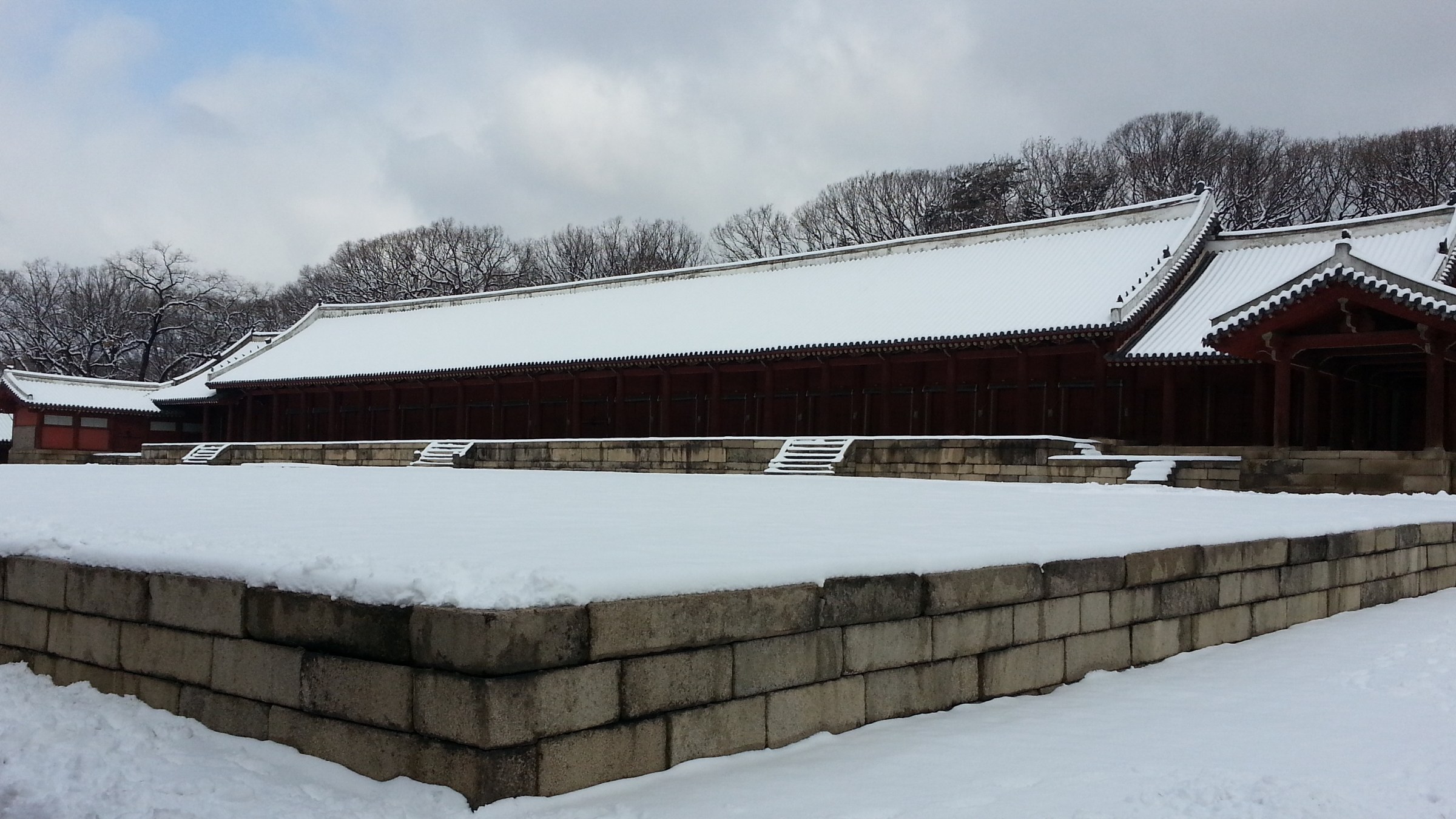
On March 16 the Korea Heritage Service filed a criminal complaint with police against the Seoul Housing and Urban Development Corporation (SH), the developer of the Sewoon District 4 urban environment improvement project, on suspicion of violating the Act on the Protection and Investigation of Buried Cultural Heritage. The complaint was received the same day by the Hyehwa Police Station in Seoul, which has jurisdiction. SH drilled 11 points on the Sewoon District 4 site without permission from the Administrator of the Korea Heritage Service, and the holes go down about 38m. It happened a few minutes' walk from the low, long roofline of Jongmyo's Jeongjeon.
The drilling was carried out over two days from March 11. The Korea Heritage Service inspected the site on the 13th, then halted all alteration work and had the heavy equipment that had been brought in moved off the site. Heo Min, Administrator of the Korea Heritage Service, held a briefing at the National Palace Museum of Korea on the 16th and disclosed the case and the legal measures. Article 31 (2) of the Buried Cultural Heritage Act provides for up to 10 years in prison or a fine of up to 100 million won for anyone who alters the condition of buried heritage that has been confirmed or is under excavation.
Sewoon District 4 is land where excavation is not finished on paper. There is no report from SH that the excavation survey is complete and no notice of completion measures from the Administrator of the Korea Heritage Service, so it is managed by law as a "buried heritage area." Surveys that have continued since 2022 have revealed traces of the Joseon-era road system, along with building sites, drainage channels and the remains of imun (里門), the gates at village entrances. Building sites were counted at some 590 and wells at 199.
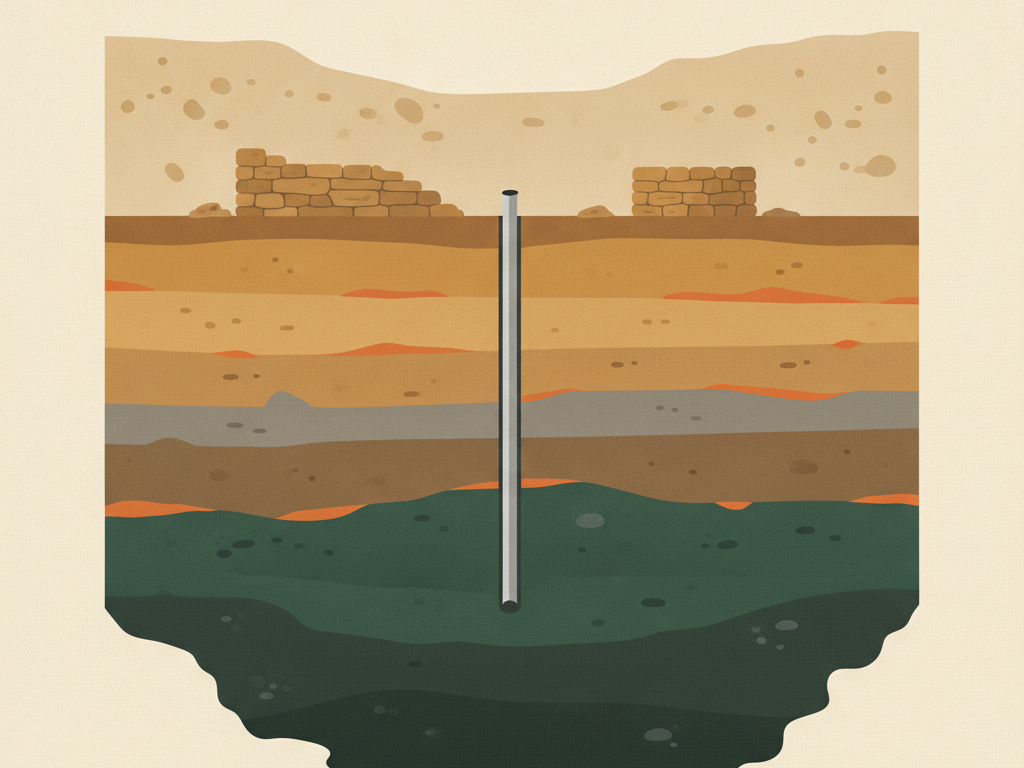
Beneath the soil there was also a pit with cattle bones buried in it. From at least seven animals, it is a pit that still holds the smell of daily life in the back alleys of Hanseongbu, where slaughter and ritual mixed. Lee Jong-hoon, the Korea Heritage Service's Director for Historic Site Policy, said remains are layered down to a depth of 7.5m at present. Eleven holes were made that cut through those layers and went down 38m.
The preservation process has also come to a stop. The buried heritage preservation plan submitted by SH was put on hold in the Cultural Heritage Committee's review for lacking detail, and no supplementary material has come in since. The Seoul Metropolitan Government issued a statement rebutting that the work was carried out after the detailed excavation field survey was completed and backfilling was approved, and that the claim of a legal violation is not true. The two sides' accounts differ head-on.
The standoff over the skyline goes back further. The 11.9m height limit agreed on in 2018 by the Seoul Metropolitan Government and Jongno-gu is no longer in force, and development of up to 145m is being pushed. On March 9 an ad balloon was raised at the entrance to Jongmyo at about the height of the planned building. It was an attempt to show with the eye what would rise above the Jeongjeon roof and by how much.
The UNESCO World Heritage Centre sent a letter on March 14 warning that pushing ahead with development of the Sewoon district would have a very negative effect on Jongmyo's World Heritage status. It came together with notice that, if the Seoul Metropolitan Government does not reply within March with a letter confirming that it will undergo a heritage impact assessment ahead of the permit process, Jongmyo could be put on the agenda as a conservation item at the 48th session of the World Heritage Committee in Busan in July, or an official site mission could be carried out. Jongmyo was inscribed in 1995 along with Seokguram and the Tripitaka Koreana, the first heritage properties listed from Korea. The Seoul Metropolitan Government is also pursuing the inscription of Hanyangdoseong, the Seoul City Wall, next year.
The Korea Heritage Service drew up and proposed a procedure that cuts the assessment period to one year, but the Seoul Metropolitan Government holds that there is no legal basis for it, and two preliminary coordination meetings ended having confirmed only the gap between them. The Korea Heritage Service called for three-way talks with Seoul Mayor Oh Se-hoon, Jongno-gu Mayor Chung Moon-hun and Administrator Heo Min sitting down together. Last month it sent an official letter asking that the matter be put on the agenda of the Administrative Consultation and Mediation Committee under the Prime Minister, and disclosed it on March 10. The application to the mediation committee is the second after the 2022 case of the apartments at Jangneung in Gimpo, which was dismissed as litigation went ahead.
The schedule is tight. The Seoul Metropolitan Government plans to hold its integrated deliberation committee for improvement projects on March 19, and the Korea Heritage Service expects the project implementation authorization to be completed in April. About a fortnight remains until the reply deadline at the end of March, and what reply will come back is open.
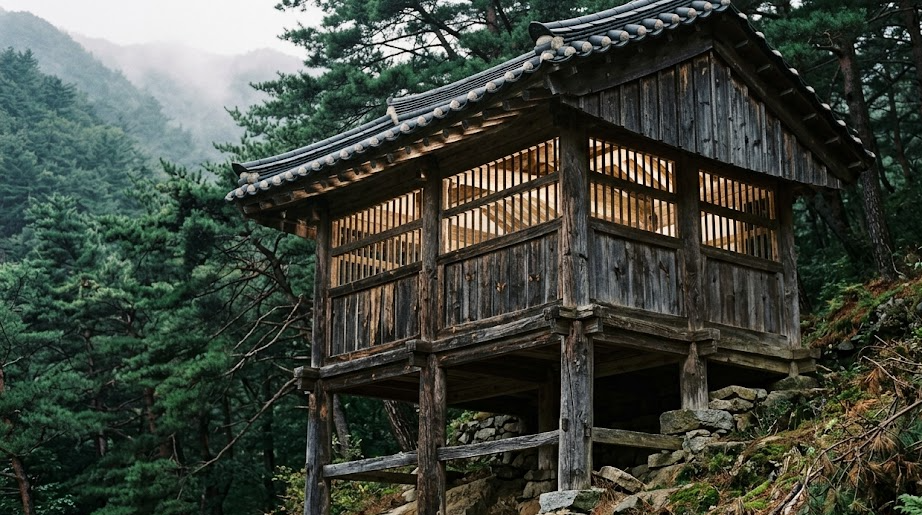
The courtyard in front of Jongmyo's Jeongjeon is a space designed to leave the sky largely empty with nothing but a wide stone floor and a low roof. That emptiness was the very form of 600 years of rites. Now, on the land beyond the wall, there are eleven drilling points covered over with soil, and below them the old alleys, 7.5m thick, are still asleep. Jongmyo opens on every day but Tuesday, so it is worth standing in the Jeongjeon courtyard and looking up once at the southern sky.