
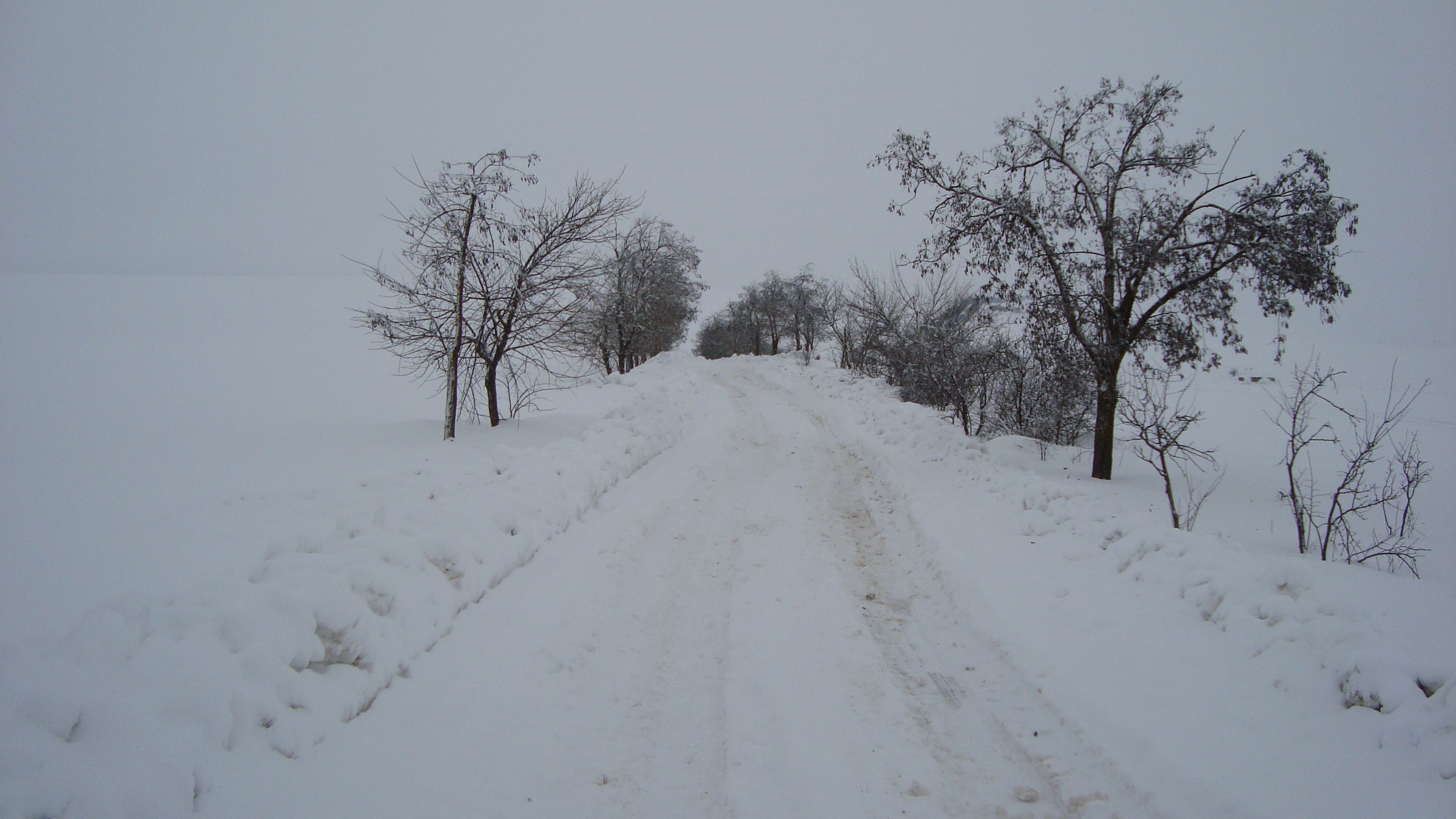
A young woman who has failed an exam and quit her part-time job in Seoul opens the door of a country house in the middle of winter. 「Little Forest」 starts from hunger, without any grand resolution. Deciding what to eat becomes deciding how to live.
The film, released by director Lim Soon-rye in 2018, is based on the manga of the same name by Daisuke Igarashi. It is the story of Hye-won, played by Kim Tae-ri, passing through past memories and wounds in her hometown among her old friends Jae-ha and Eun-sook and the food she makes with her own hands. Instead of piling up incidents, it follows the four seasons, taking the order of planting, waiting and harvesting as the order of its scenes.
1,509,097 moviegoers in Korea watched this slow rhythm in theaters. Lim Soon-rye received the Best Director award at the Korean Film Producers Association Awards, and Kim Tae-ri received Actress of the Year at the Director's Cut Awards. The Korean Association of Film Critics placed the work among its 11 selected films of that year.
The reason this film belongs on an environment page is clear. At Hye-won's table, the distance the ingredients have traveled runs from the yard to the kitchen, at most from the fields to the house. No packaging, no refrigerated transport, no disposal to match inventory comes in between. Counting the warehouses, trucks and plastic that a single meal on the plate has passed through, this simplicity is closer to practicality than to romantic taste.
What deserves closer attention is circulation. In this kitchen the season decides the ingredients, and what that season yields becomes the next meal. There is little to throw away because only as much as is needed is taken from the land. For anyone who has imagined resource circulation only as a matter of facilities, the film shows that circulation begins with what is sourced and from where.
The strength of the direction comes from not omitting labor. Because the time spent working with the hands in the field is not skipped, the finished bowl reads as the result of that time. Filming was carried out around Uiseong, North Gyeongsang Province, divided by season into winter and spring. The choice to shoot the land as a stage of labor is the film's backbone.
There are points where it goes slack. The premise that there is a house to return to and land to till is left unexamined to the end, and makes self-sufficiency look like an individual choice. Jae-ha and Eun-sook, who stay in the village and hold their ground, fill part of that gap, but the economics of farming and its sales channels remain outside the frame. It is more accurate to read the film as a readjustment of the senses than as a blueprint for solutions.
That readjustment alone is useful enough. The habit of asking where something came from before deciding what to eat is the lowest threshold where individual practice meets institutional reform. The question can be asked even without a garden plot.
Even after the film ends, land prices, contracts and the circumstances outside the village remain blurred. The screen also cannot hide to the last that Hye-won's winter and spring are not a passage open to everyone. What remains is the rhythm of the hands preparing ingredients and the feel of the soil those hands stand on. Instead of persuading anyone to go back, 「Little Forest」 makes the viewer briefly retrace the path traveled by what is on the plate.