The Gaya Tumuli have been selected for the Korea Heritage Service's World Heritage Festival open call for a second year in a row. The selection secures 1.1 billion won in state funds. This year's festival began on August 28 and ended on the 10th. News of the next festival arrived the day after the curtain fell.
The Gaya Tumuli were inscribed on the UNESCO World Heritage List in September 2023. What the inscription review recognized was the character shared by the seven tumuli clusters, along with the individuality each cluster holds on its own. Seven tombs were bound together to form a single heritage site. It is a serial property set against different histories and cultures, different lands and waterways.
The mounds built of earth and stone take on different colors with each season. In late summer the dry grass lies yellow, and it rustles underfoot. Walking among the mounds, you begin to gauge with your eyes where the ridgeline breaks and where it continues.
The theme of this year's festival was 'Journey Together'.
Gimhae, Haman, Hapcheon, Goseong, Changnyeong, Goryeong and Namwon. The seven cities and counties are scattered across Gyeongsang and Jeolla provinces. This year was the first time these local governments have held an event together since the World Heritage inscription. Over 14 days, performances, exhibitions and hands-on programs rotated through each region.
The scale of state funding alone cannot measure the festival's success or failure. The 1.1 billion won is money to stage one year's event. The work of managing seven tombs as a single heritage site continues after the event ends. Heritage that crosses boundaries must be accompanied by management that crosses boundaries.
Individual local governments manage their own share of the tumuli. Mound repairs, access road maintenance and the deployment of interpretive staff are all carried out at the regional level. Yet what UNESCO recognized was the grouping of the seven. When the grounds for inscription lie in the grouping while management is scattered piece by piece, the inscription criteria and the actual unit of management fall out of alignment.
The very fact that seven cities and counties across the Yeongnam and Honam regions divided up programs under a single theme was a first attempt to bind scattered tombs into one story. Selection for a second consecutive year is a result that buys time to make that attempt once more.
An event lasts a few days, of course, while preservation is measured in millennia. The fact that the footsteps that increase during the festival are also footsteps that tread on the mounds is a contradiction faced by every region that holds a World Heritage site. What must be designed is how to make use and preservation bearable together.
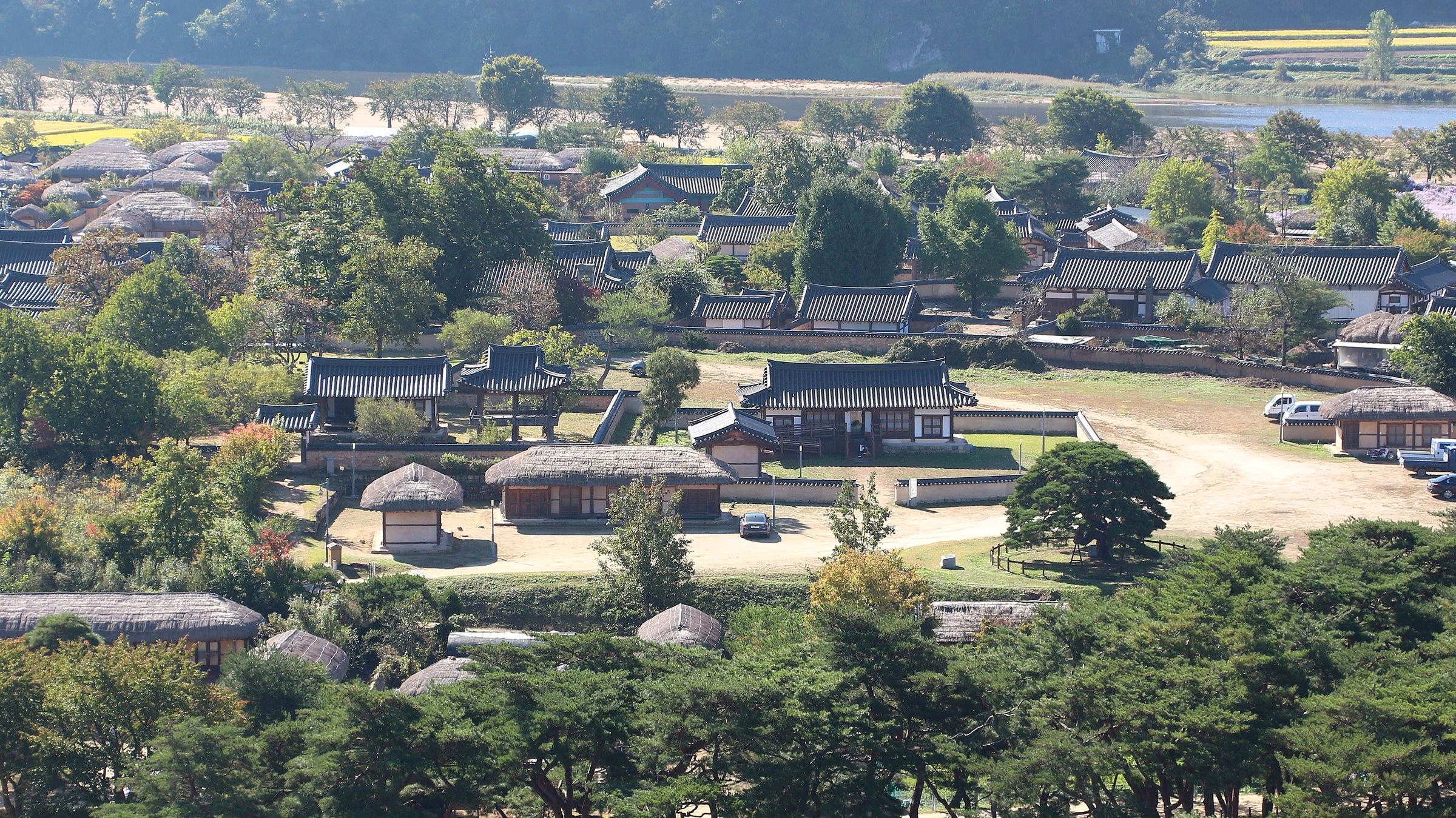
Since the inscription, the Jisan-dong Tumuli in Goryeong have often been mentioned as a tour route following the history of Daegaya.
The festival has ended, but the tumuli remain as they are. Whether Gimhae or Namwon or Hapcheon, it is worth picking one nearby and paying a visit. Only someone who has walked one of the seven comes to wonder why the other six were bound together with it. That curiosity is what will make the next festival different.