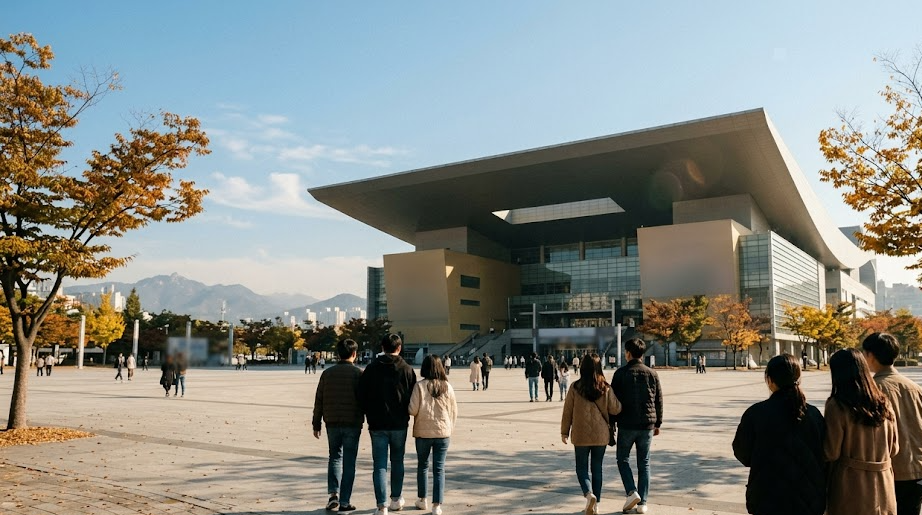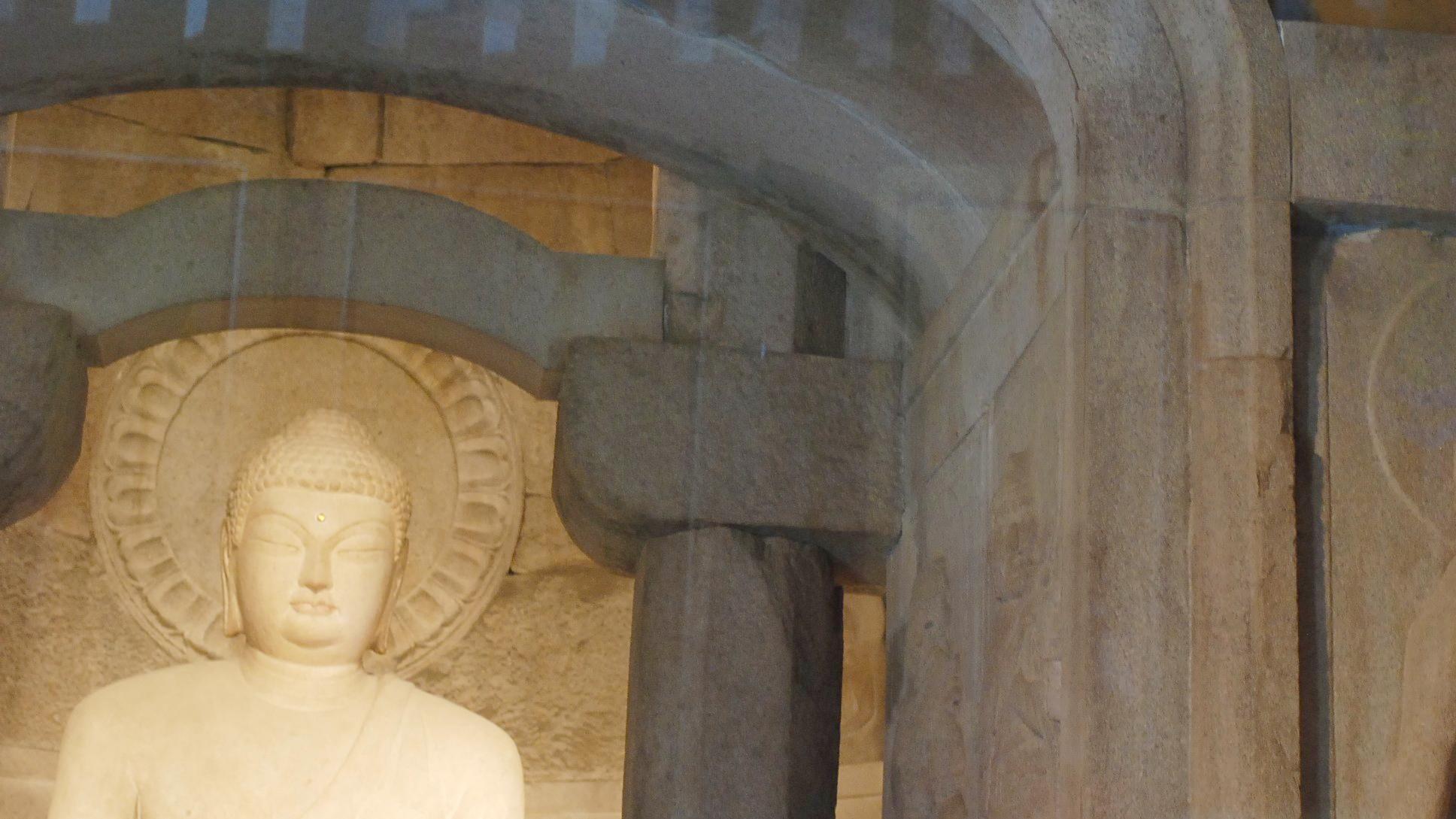
The area around the Busan National Gugak Center in Yeonji-dong, Busanjin-gu, Busan, will be filled with dance from the 24th through Aug. 8. The 2026 Yeongnam Dance Festival "Dance, I Want to See It" opens a run of a little over two weeks. This year the program was put together to mark the 48th session of the UNESCO World Heritage Committee held in Busan, examining the worth of intangible heritage together with its present. The opening work goes up at 7:30 p.m. at Yeonakdang Hall.
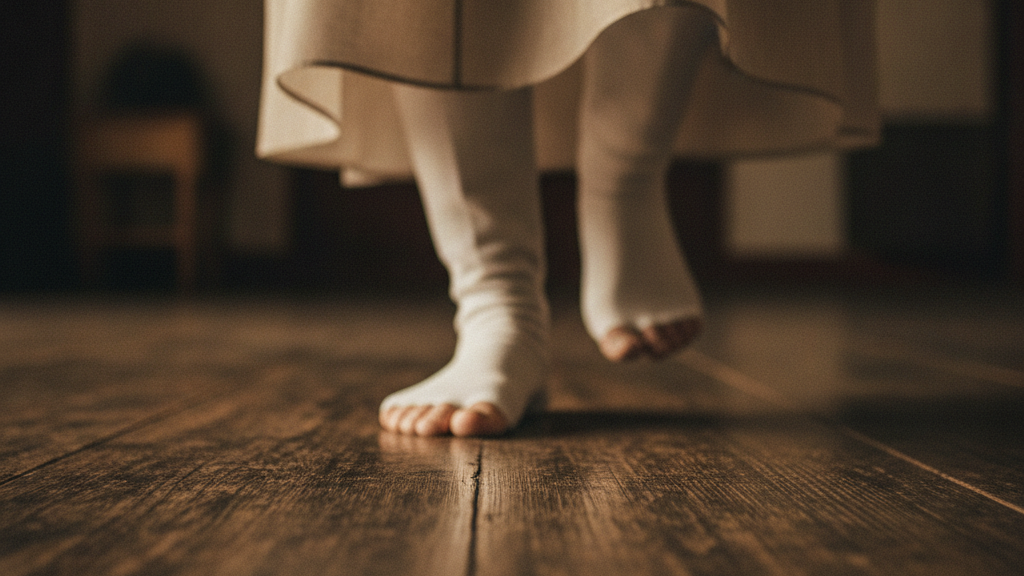
The opening work is titled "Jeop(蝶): Life Is Dance." It takes the national intangible heritage Yeongsanjae as its axis and was rebuilt by drawing in the textures of Ganggangsullae, Arirang and mask dance, and it first met an audience in May at the regular performance of the center's dance company.
Taking the stage are the Venerable Seokbong, chairman of the Araetnyeok Suryukjae Preservation Society, the Venerable Donghee, a Yeongsanjae transmission educator, and Kim Gwi-yeop, holder of Gudeok Manggae Sori, together with members of the Busan National Gugak Center. People who have carried the beompae chant of Yeongsanjae in their bodies for decades step on the same floor as young dancers.
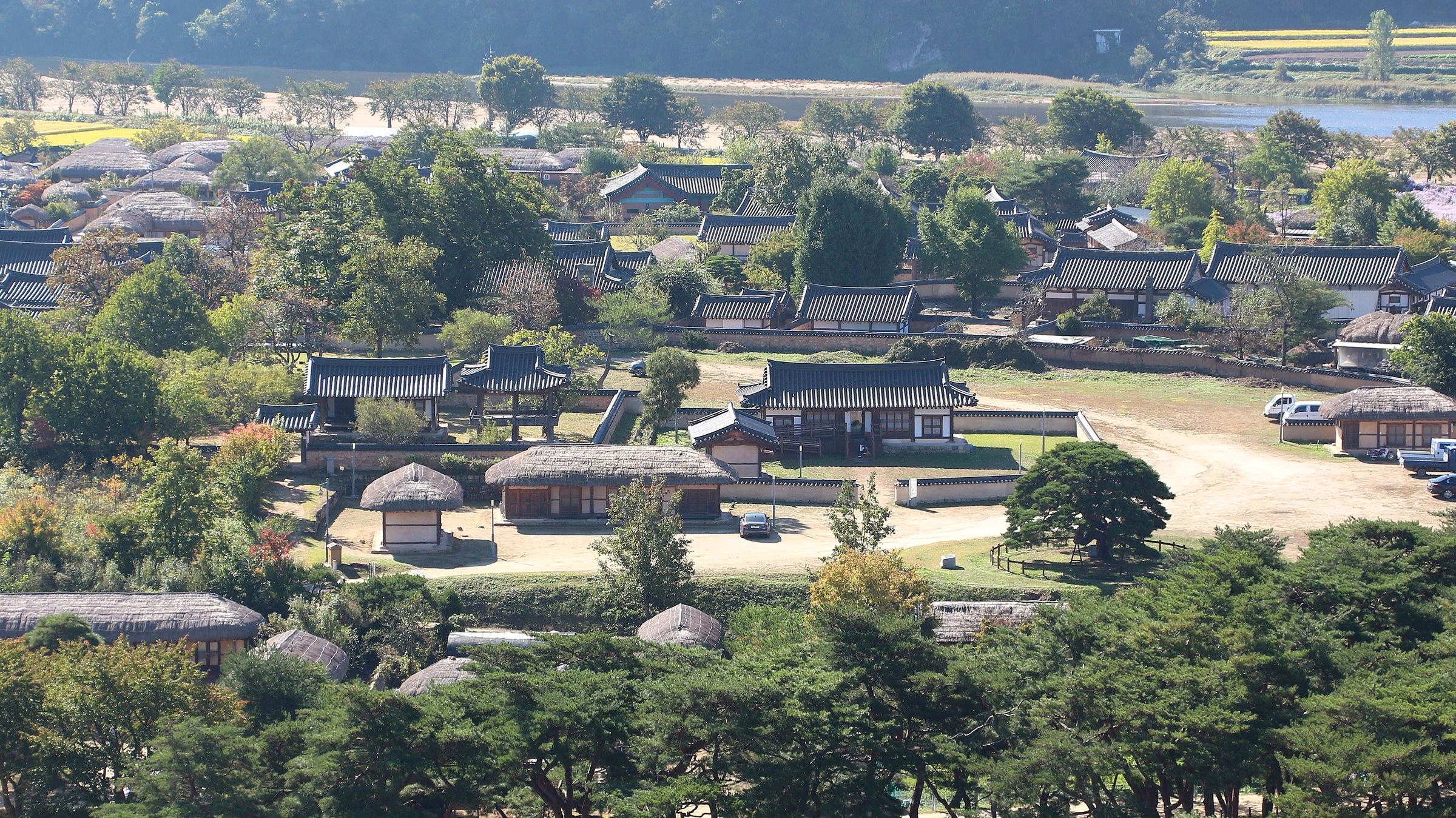
The Yeongnam Dance Festival set out with the aim of transmitting and developing the traditional arts of the Yeongnam region, and of exchange among artists. There is a record that it staged its first performance in 2017, and for this year both the ninth edition and the ninth anniversary are used as labels. Whichever way the editions are counted, the fact that one city has held on to the same name for nearly ten years does not change.
The program is divided between indoor stages and the outdoors. "Yeongnam Muak," run by six mid-career women dancers, "Yeongnam Chumjeon," presented by the Dongnae Crane Dance Preservation Society, and "Yeongnam Dance Choreographers' Showcase," which invited choreographer Jang Yu-kyung, fill the indoor stages. "Korean Traditional Dance Pan," joined by critic Yoon Jung-gang, and two lecture concerts taking up East Coast gut rites and the Korean lion dance respectively were programmed for the first time this year. It is an attempt not to stop at showing the dance but to explain in words why it is danced that way.
The outdoor yard has a different character. "Korean Dance Street Performance Gugak-ro," with seven young dance troupes taking part, is held here. It is dance that people who have not bought a ticket can stop and watch as they pass by.
Preservation and use always collide. Reinterpreting Yeongsanjae as a dance work carries the risk that the original form of the rite will be shaved down by the grammar of the stage, and traditional dance performed in the street leaves room to be consumed as spectacle. The festival has placed both inside the same period, and has also prepared a seminar, "The Value and Expansion of K-Intangible Heritage," held with the Yeongnam Dance Society, and a roundtable review session joined by a citizen monitoring group.
The closing falls at 5 p.m. on Aug. 8, taken by the National Gugak Center Dance Company's "Sangseon Yaksu." The work, premiered at a regular performance in 2024, comes to Yeonakdang Hall as an invited stage.
Hands-on workshops in Jongmyo Jeryeak ilmu and Ganggangsullae, taught directly by intangible heritage holders, are open to the public free of charge, and the special exhibition "Garden of Pungnyu" and a book curation are open throughout the festival. Ticket reservations and how to apply for the side events are posted on the Busan National Gugak Center website.