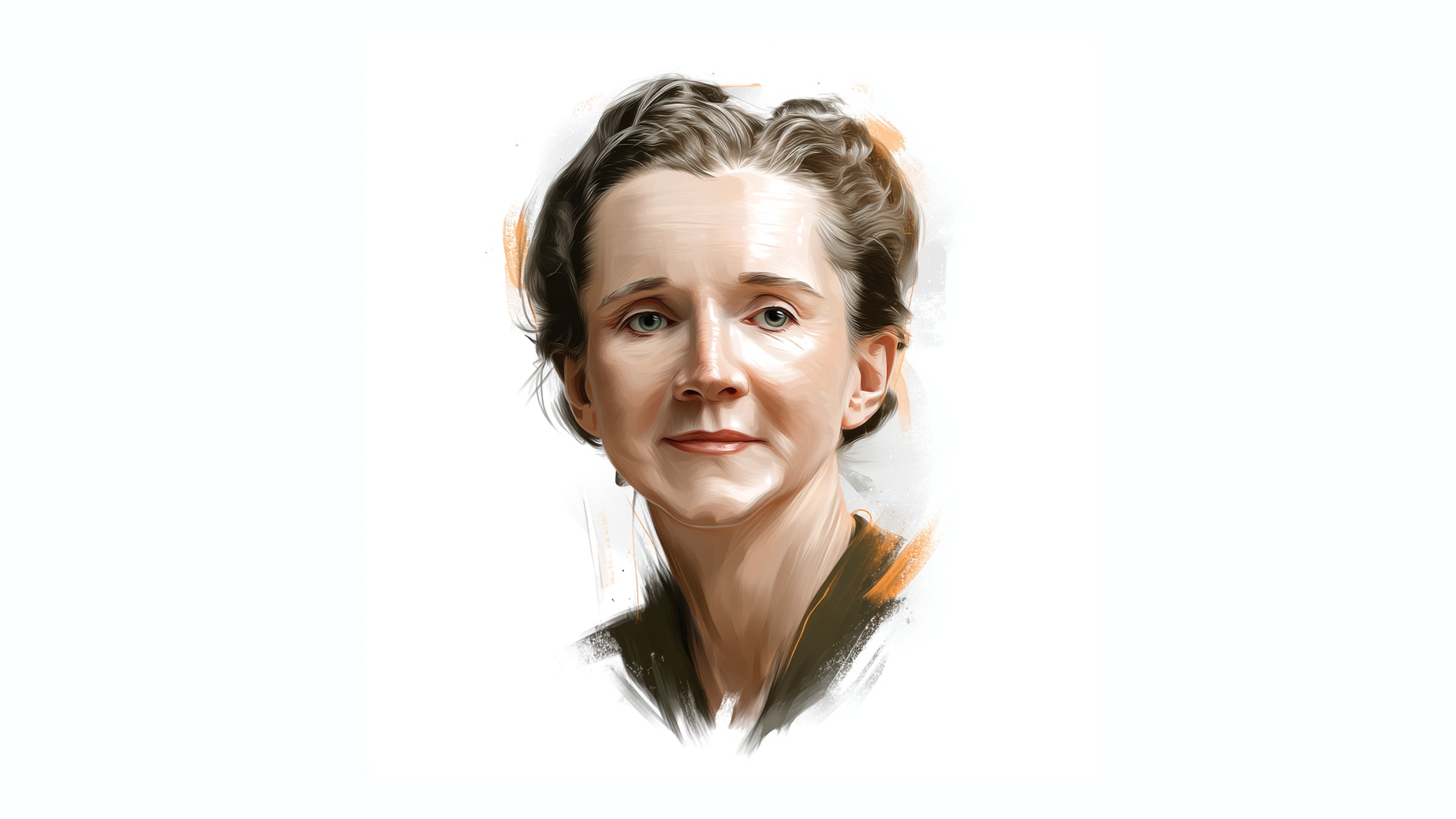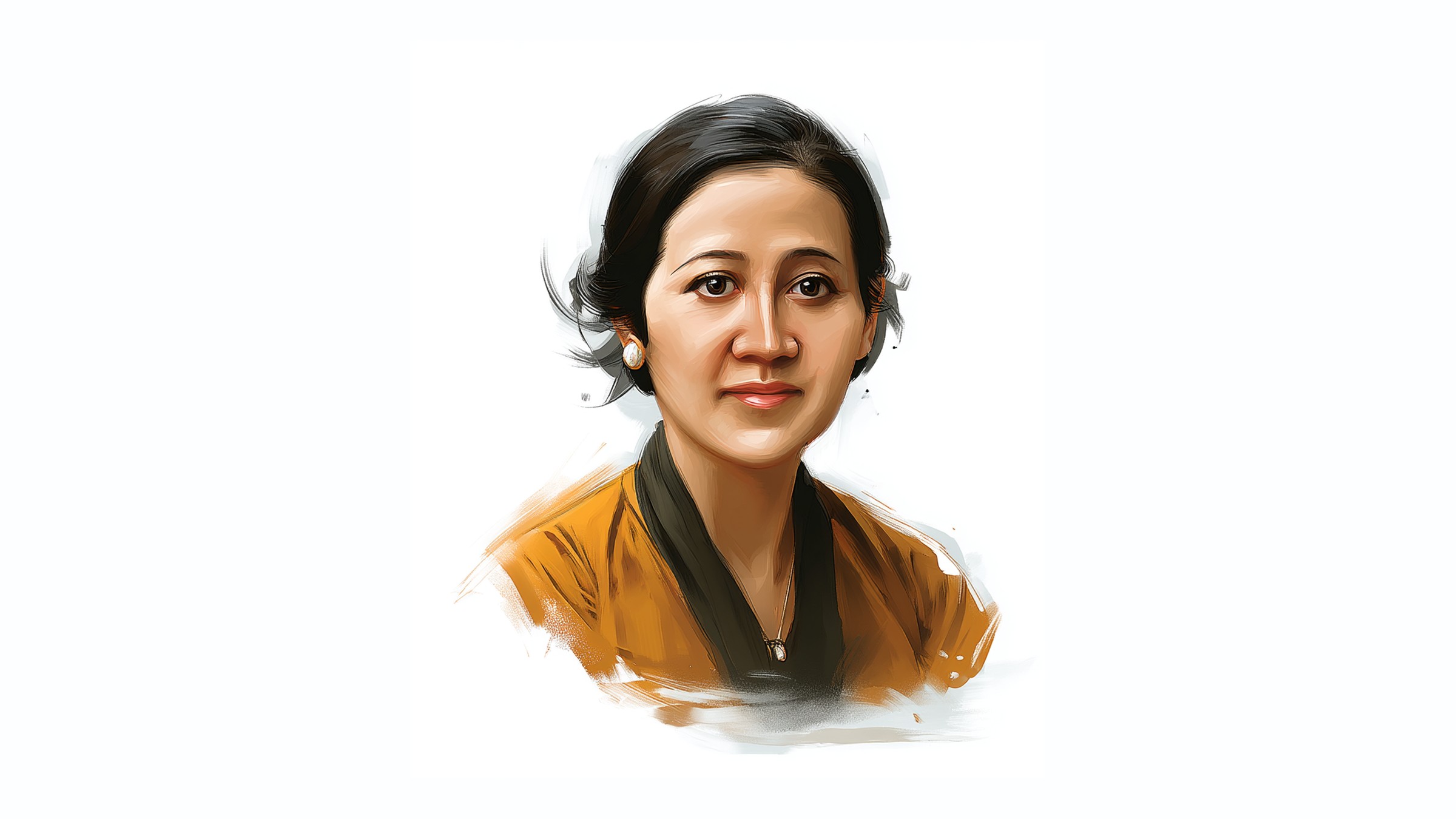
A pen nib moves across the paper. A Javanese afternoon passes by outside the window, and the girl inside the house cannot step out the door. In late 19th-century Java a girl had to stay inside the house until she married, and by custom her learning stopped there.
Raden Ajeng Kartini was born on April 21, 1879, in Mayong, Java. Her father, Sosroningrat, administered the northern part of Central Java under Dutch colonial rule and became regent of Jepara in 1880. At six she entered a Dutch-language school and received a European education, which was rare for an Indonesian child. She married and moved to Rembang, and there she died at twenty-five on September 17, 1904, four days after giving birth to her first child, and her letters were collected and published in 1911 as "From Darkness to Light."
Q1. After you finished school you had to stay inside the house until you married, and only in 1896 did your father allow you to go out into the town. People call those few years a blank. How did you spend that time?
It was not empty. In that room I learned how to read. I read every book that came into my hands, and I wrote letters to Javanese and to Dutch alike. For a person shut in, paper was the only passage to the world.
I could not accept the custom of keeping a girl in the house until she married. I thought that if the body is tied down the mind is tied down too, but in fact it was the other way around. Because I could not go out I read farther, and to explain what I had read to someone I wrote more precisely.
When I went outside in 1896, I was mistaken in thinking I knew the world. Only after I saw the backs of working people's hands and the way they got through a day did I know how thin my reading had been.
Q2. You corresponded for years with Dutch officials and intellectuals, among them Abendanon. At what point did the idea of founding a school take firm shape?
It took shape as I wrote letters. In speech you can look at the other person's face and back away, but a sentence set down on paper has nowhere to retreat to. Writing my thoughts in Dutch, I had to keep checking whether they were mine or borrowed.
My reason for speaking of a school is simple. Girls in Java were pushed out of higher learning and sent into arranged marriages at an early age. To decide for oneself a person must learn, and to learn there must be a classroom.
My younger sisters founded and ran the school with me. It was not work I began alone, nor work I could finish alone. After I died my sisters carried on teaching girls.
Q3. For an unmarried woman to go about the town and write in Dutch was rare in the Java of that time. How did you take the way people looked at you?
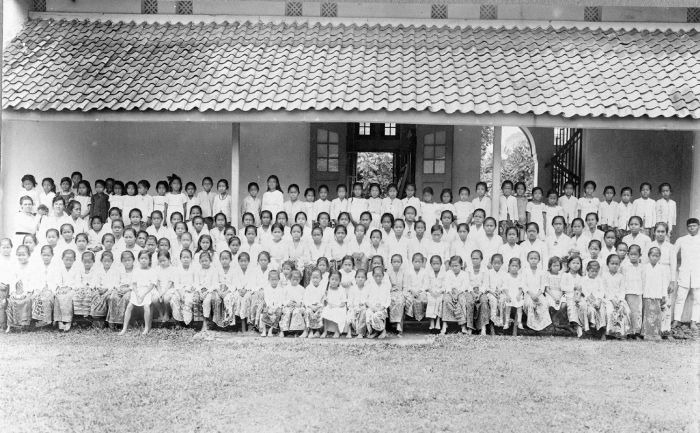
It hurt. I never enjoyed being called a rebel. My family was high priyayi, and from childhood I watched what expressions that hierarchy puts on a person's face.
At the Dutch school too I was a brown child who was handled carelessly. The teachers were that way, and so were the children in the same classroom. In time my studies were recognized, but those first looks are not forgotten.
What was harder to bear was the sight of women scolding younger girls. The person placed at the very bottom was pressed down by the person beside her. In a society that measured a man's standing by how many wives he kept, women lived policing one another.
Q4. You had opposed arranged marriage and polygamy. People call your marrying and going to Rembang a surrender. What do you yourself call that choice?
If you call it surrender, I will not argue back. I walked into the institution I had opposed. I do not want to dress that up.
There was one thing I meant to keep. That even as a married woman I would not let go of teaching girls. Between complete freedom and a position in which I could do nothing, I chose the side where I could continue.
I could not prove whether that choice was right. I did not live long in Rembang. That work was carried on in my place by my sisters and by the people who read my writing and founded schools.
Q5. This series deals with cultural heritage. Writing that was private correspondence is now read as Indonesian heritage. Does that change make you uncomfortable?
It does. But I do not want that discomfort removed. Before it was heritage, my correspondence was private writing done by one person at night. There are embarrassing sentences in it, and wavering ones.
If protecting heritage means protecting only the name, I agree only halfway. To protect what belongs to Java, the daily life of the people who make it has to be protected with it. I have seen preservation in which the form is preserved and the hands disappear.
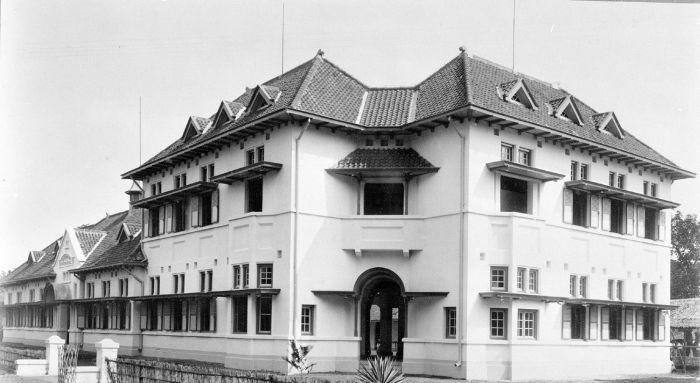
If the private is erased and only the commemoration is left, one name of mine simply hangs on a wall. I did not write in order to hang on a wall.
Q6. In 1964 you were proclaimed a National Hero of Indonesia, and your birthday, April 21, is still marked as Kartini Day. What would you say about a commemorative day standing in for a person's life?
A commemorative day is one day. The problem I lived with did not end in a day. If there are still girls being pushed out of learning, keeping that child's classroom comes before keeping my birthday.
The word hero also makes me careful. I was a person who struggled to get out of her room, and I did not do it alone. The names of my sisters and friends, and of the people who read my writing and opened classrooms, should be called with my name.
The larger a name grows, the more one has to look at what the people using that name are doing. I knew that much even while I was alive.
Q7. Your letters were collected into a book in 1911, and the people who read that book founded schools. What would you like to hand on to those who come next?
One letter is enough. Write the name of the person who will receive it, and set down exactly what you saw today. That is how I got out of my room.
A low table and paper that was not dry, those two were enough for me. The rest was done by the people who read.
Seven years after Kartini died the letters became a book, and the people who read that book opened Kartini Schools all over Java. A single sheet of paper on which you set down exactly what you saw today and send it to someone comes closer to that life than the commemorative processions of April 21. The fact that sentences written in a closed room became classrooms still holds.
This piece is not an actual interview. It is an imagined interview reconstructed by Breath Journal on the basis of Kartini's life, her writings, and the records that remain. The questions were written by the reporter and the answers were drawn from the writing and the deeds she left behind.