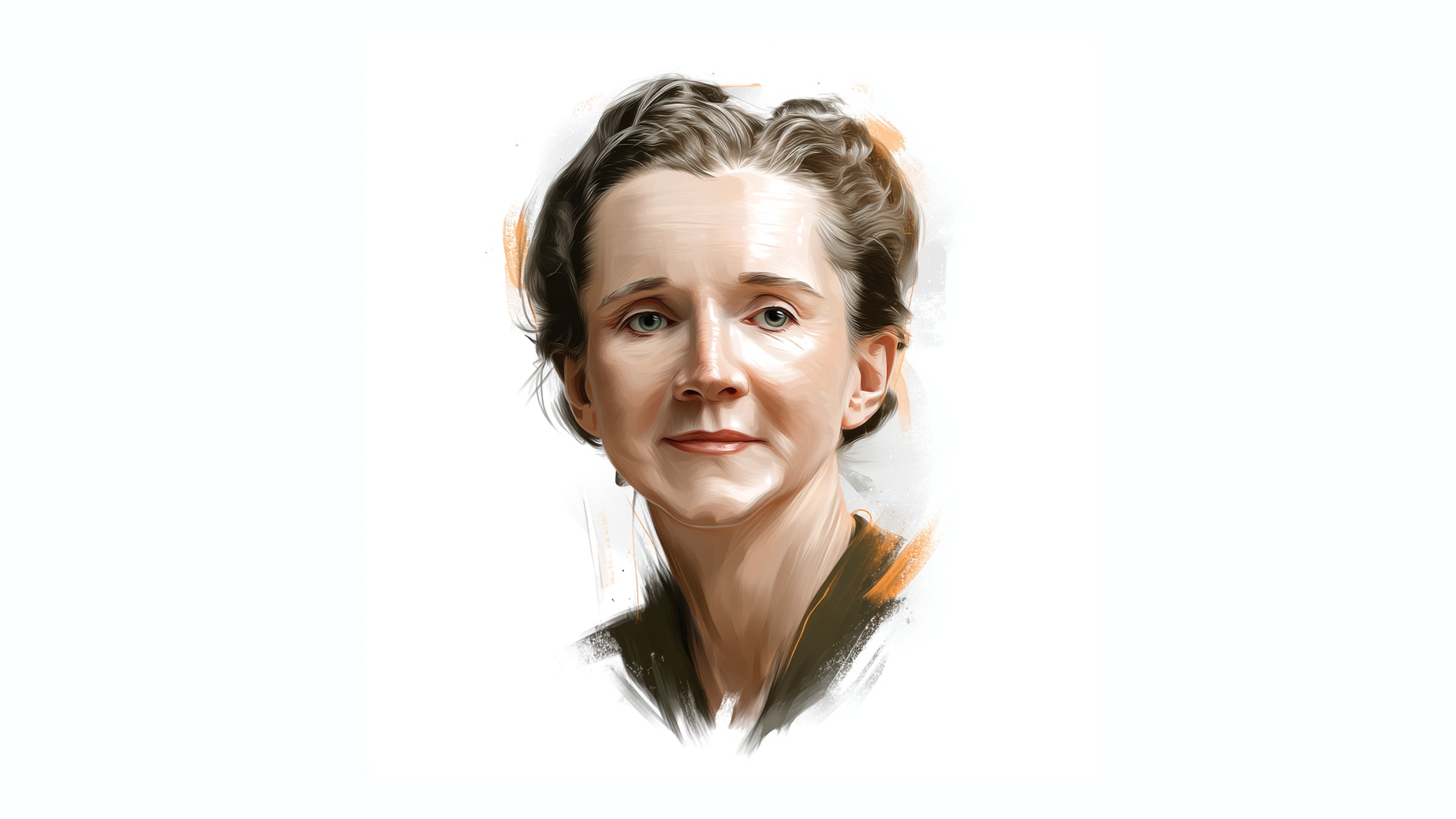
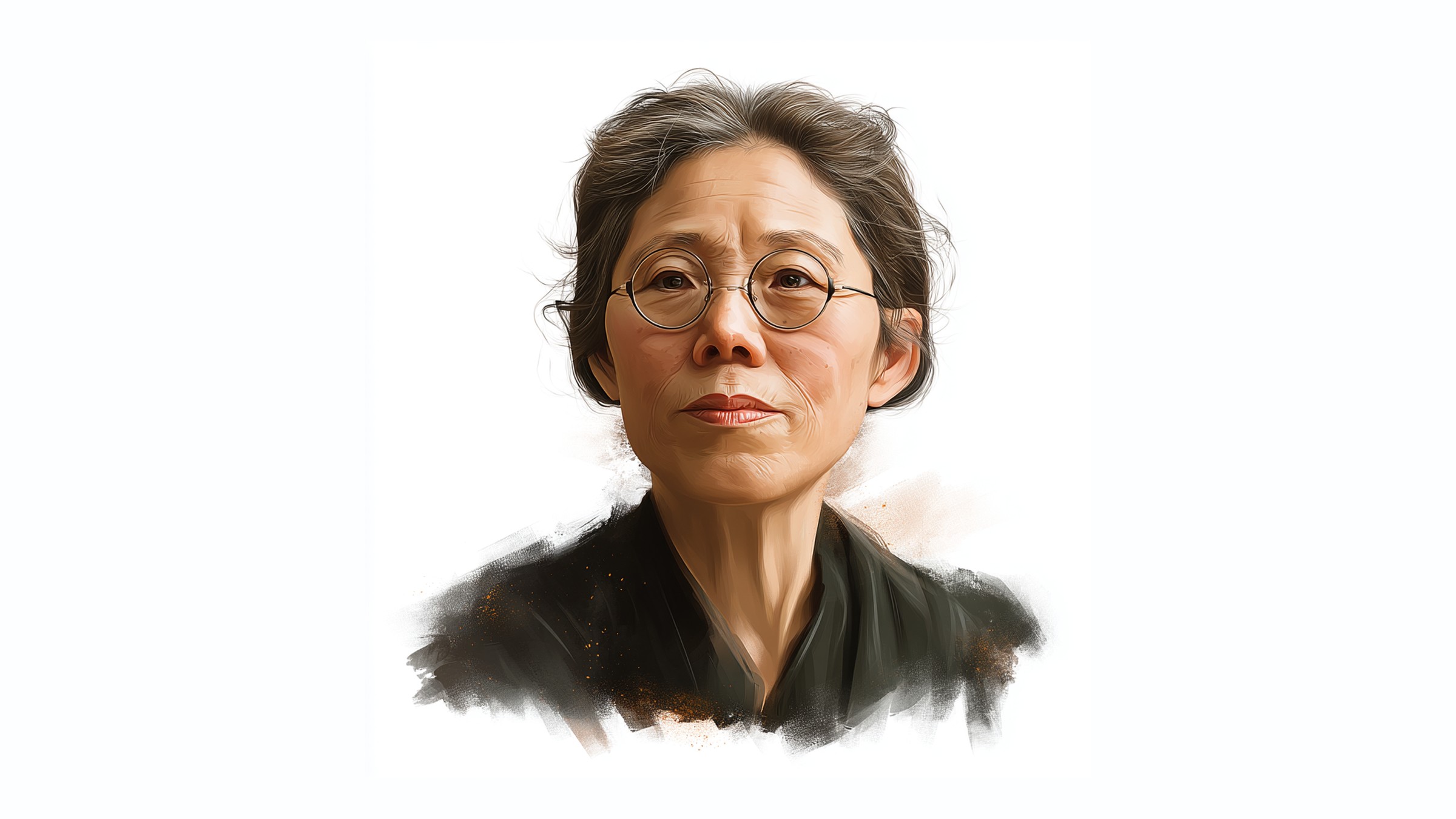
In 1917, a twenty-four-year-old woman who had returned to Aichi opened the door of a Nagoya newspaper office and walked in. She was that paper's first woman reporter. A few years later, in 1920, she founded the New Women's Association with Raicho Hiratsuka. It was an organization set on changing the law that barred women from political participation, and because of that very law its members could not even hold a meeting of their own group.
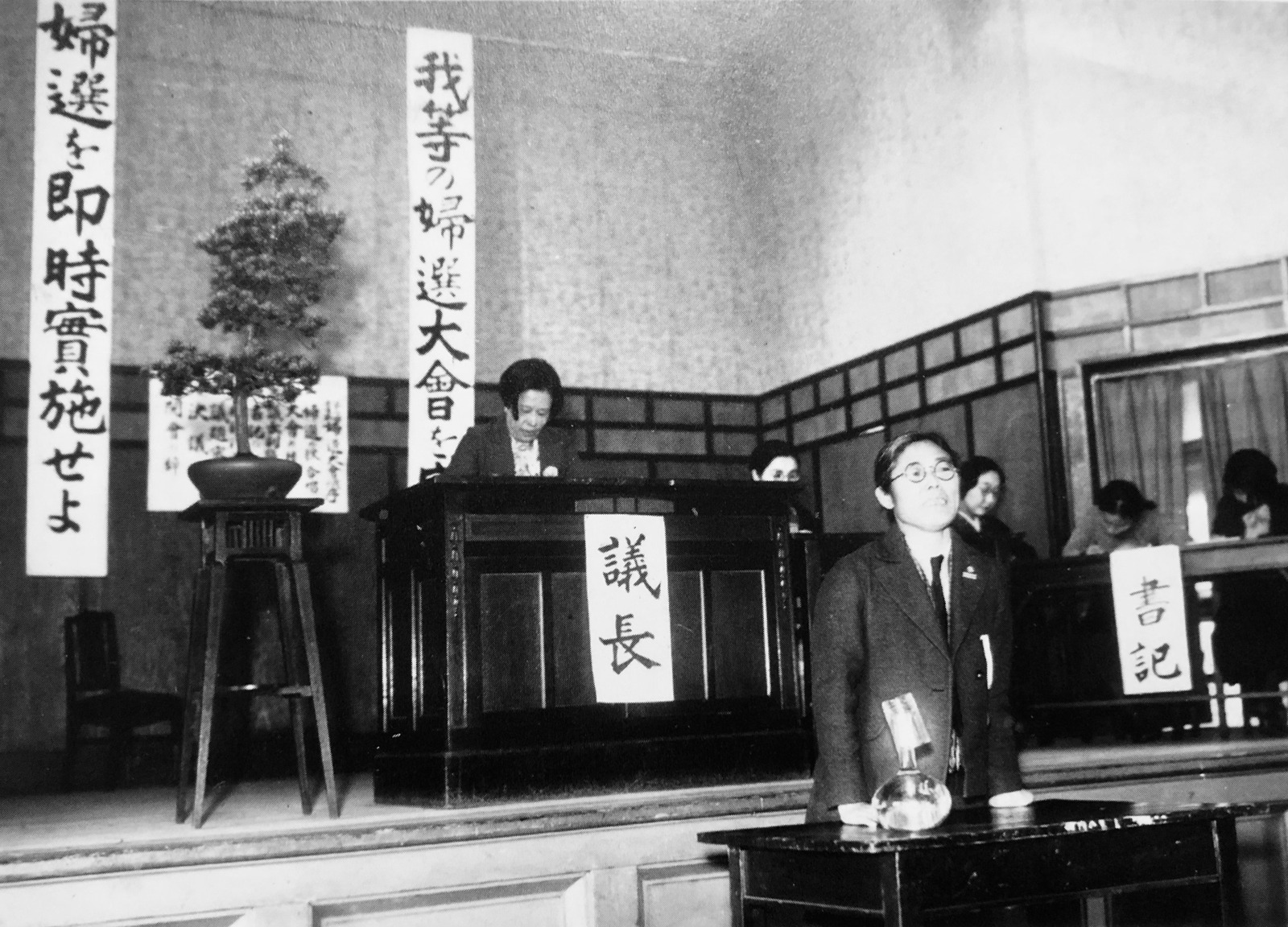
Fusae Ichikawa (1893-1981) was born in Bisai, Aichi Prefecture. She attended the Aichi Women's Teachers School and hoped to become an elementary school teacher, but after moving to Tokyo in the 1910s she encountered the women's movement. She returned from the United States in 1924 and formed the Women's Suffrage League of Japan, and in 1930 she held the first national convention on women's suffrage.
In November 1945 women were granted full political rights, and in 1953 she was elected to the House of Councillors from Tokyo. In 1974 she received the Ramon Magsaysay Award for Public Service, and in the 1980 House of Councillors election she was elected again with the highest vote count in the national constituency.
Q1. When you founded the New Women's Association in 1920, members could not hold political meetings. So you created a format called the "lecture meeting"?
The law barred women from political associations and assemblies. Gathering to change that law was itself caught by that law. It was absurd, but we were in no position to laugh.
So we gave it the name lecture meeting. Rather than holding a political assembly, we took the form of a study gathering. Once you find a form, you gain a certain amount of room to speak inside it. In 1922 the Imperial Diet revised that clause, and the association, having achieved its purpose, dissolved.
Q2. In 1924 you sought to meet Alice Paul in the United States, and after returning you worked at the International Labour Organization's Tokyo office and formed the Women's Suffrage League of Japan. What did you bring back from what you saw in America?
I saw that a movement also has an organizational craft. People with burning conviction exist everywhere. Unless you turn that heat into membership rolls and dues and minutes, it scatters within a single generation.
The Women's Suffrage League of Japan that I formed after returning was Japan's first women's suffrage organization. In 1930 we held a national convention. Harder than gathering people was making those same people gather again the following year. Working in an office that dealt with labour issues while talking about women's votes was also a piece of work for me.
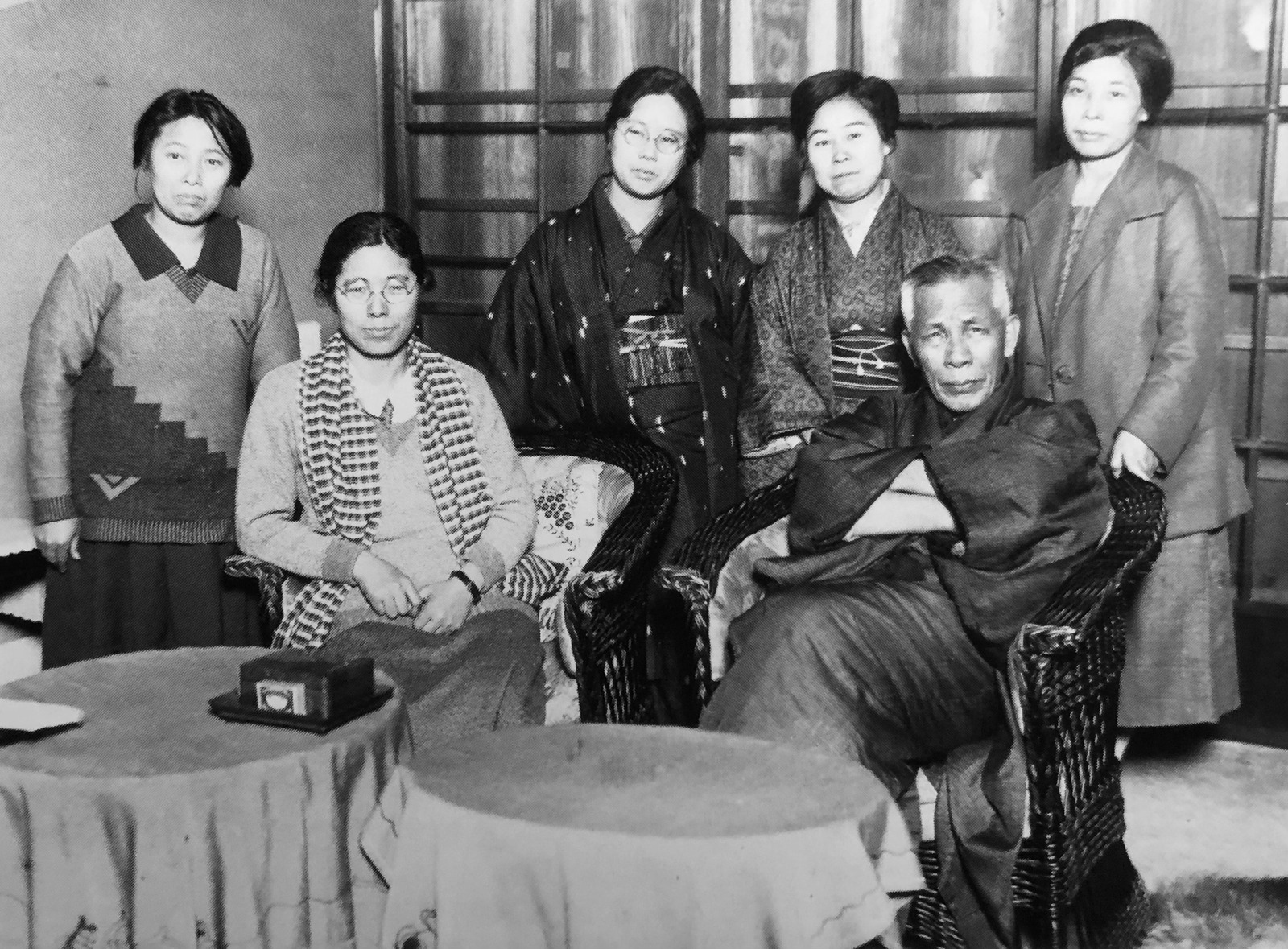
Q3. During the war you served as general affairs director of the Central League for the Mobilization of the National Spirit, and you were also a director of the Greater Japan Women's Association. After the war the occupation authorities purged you from public office on account of that record. How did you take that ruling?
It is a fact that my name was on that roster. It was an organization the government created to broaden public support for the war, and I was its general affairs director. I believed that if women's organizations joined hands with the state, women's voice would grow. What grew were the channels of mobilization.
I stayed away from politics and government bodies until the occupation ended. I have no intention of calling it unfair. I had argued that if women had held political authority, we would not have gone into so destructive a war. The fact that the person making that argument handled the administrative work of an organization that supported the war cannot be erased by my own hand.
Q4. You failed to win reelection to the House of Councillors in 1971 and stepped down, and in 1974, at eighty-one, you were asked to run again. How did you spend those three years?
The day after I lost, the work I had been doing was still there. Women's conferences went on being held at home and abroad, and I went to them as the share of an old person. That was when I learned in my body how the work that requires a seat divides from the work that can be done without one.
When I was told in 1974 to run again, I hesitated. I wondered whether a person past eighty was blocking the path of younger people. Still I ran, and I obtained a fourth term. The award I received that same year belonged less to me than to the people who had walked with me until then.
Q5. In 1933 you formed the Tokyo Women's Association for Cleaning Up Politics, and you became one of five women directors of the government's Central Association for Election Purification. Why did a suffrage activist stay with the problem of election corruption for so long?
Having a vote and having votes counted properly are different things. In an election where money has changed hands, a woman may win a vote and that vote becomes an item with a price on it. I regarded election purification as the reverse side of the suffrage movement.
What I began with women in Tokyo in 1933 later led into a government body. That women sat in the directors' seats of that body was also important to me. Even after entering the House of Councillors in 1953, I handled women's issues and electoral system reform together, two things that had never been separate within me.
Q6. Even now, in many countries the share of women in parliament falls far short of their share of the population. How do you view a state in which the right to vote exists but representation does not?
When suffrage came in November 1945, I did not think that day was the end. A right is the opening of a door, and the matter of people going in and taking a seat happens separately. It took me eight years to get inside that door myself.
Unless the people who cast votes and the people who receive them are filled by the same faces, the decisions that come out of the chamber also tilt to one side. That is why in 1980 I raised my voice for the government to ratify the Convention on the Elimination of All Forms of Discrimination against Women. A single document a country signs does not change people's days right away. That the next generation would be able to make its case on the grounds of that document, that much I expected.
Q7. In 1980 you were elected with the highest vote count in the national constituency. You were eighty-seven. Is there anything you would like to say to the people who cast those votes?
When I heard in 1922 that the Imperial Diet had revised the law, the association dissolved soon after. We thought it right to disperse once the purpose was achieved. And I had to build an organization all over again from the beginning.
Organizations disperse, but people remain. It was so from the days when I worked with Shigeri Yamataka. The hands that count votes today, the hands that write the rolls, open the next door.
This piece is not an actual interview. It is an imagined interview reconstructed by Breath Journal on the basis of Fusae Ichikawa's life, writings, and the records she left. The questions were written by our reporter and the answers were drawn from her writings and her record of action.