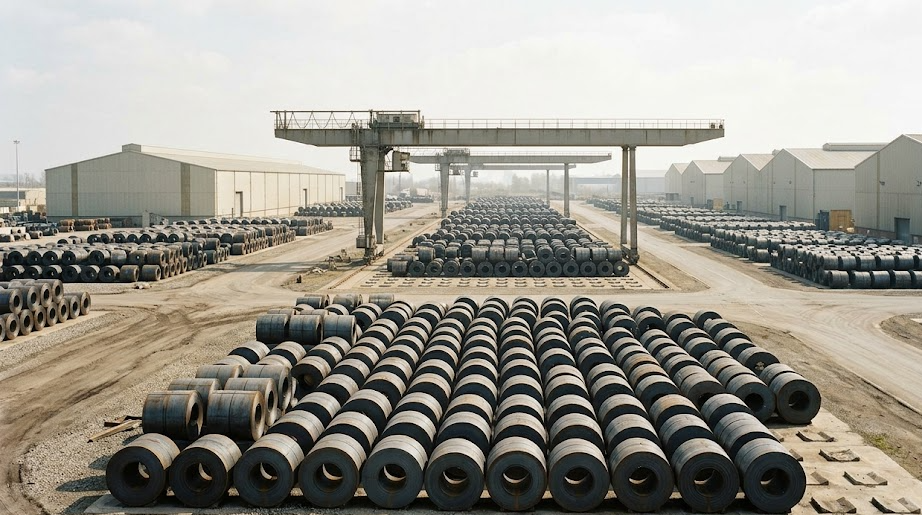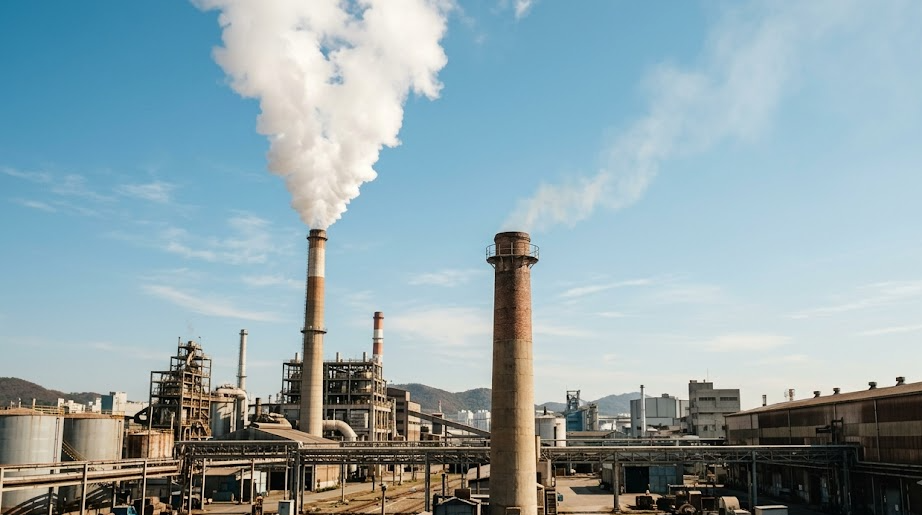
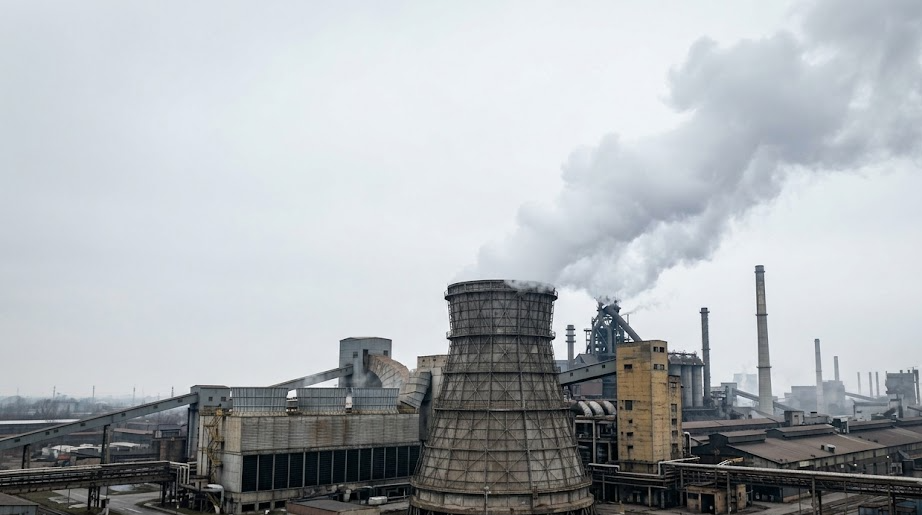
Output at the Pohang steel industrial complex in the first half of 2025 fell 17.8% from a year earlier. In the same city's Nam-gu district, the number of employment insurance subscribers fell by about 1,300 as of August 2025. Pohang was designated a preemptive response area for industrial crisis in August 2025 and a preemptive response area for employment crisis in November of the same year. Two events held last week in Yeosu and Pohang addressed who will absorb this decline, and how, in different languages.
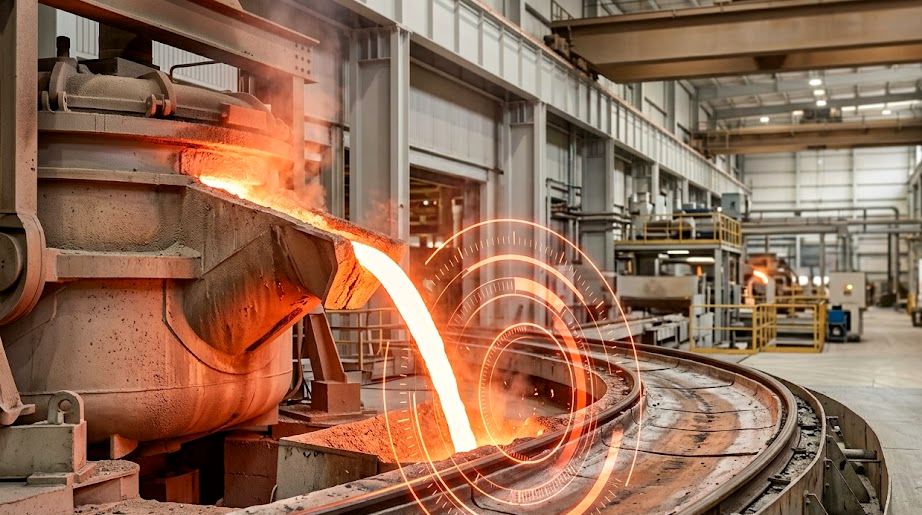
Since the second half of 2024, the closure of Hyundai Steel's Pohang No. 2 plant and the suspension of operations at KOSTEEL have followed one after another. Production cuts and the disposal of facilities have come first, with investment in low-carbon facilities trailing behind. This sequence lies behind the simultaneous drop in output and employment indicators.
On April 23 in Yeosu, South Jeolla Province, a side seminar of the UNFCCC's third Climate Week and the International Green Transition Week was held under the title "Expanding Synergy Between National and Corporate Transition Plans: Spotlight on the Korean Case." The session was chaired by Robert Patalano, professor at LSE and executive director of CETEx, and Antonina Scheer, deputy policy director at the TPI Centre, presented by video. In an interview the same day, Professor Patalano said that if the Korean steel industry chooses conventional business restructuring over green transition innovation for the next 5-10 years, it could lose its technological edge and its competitiveness in international markets.
He also noted that China, the Scandinavian countries and the United Kingdom are executing investments in clean technologies including hydrogen. The scale of investment was mentioned only in qualitative terms, with no amounts or reference dates given. The same seminar also heard that Korea's draft sustainability disclosure rules show a gap with the standards of the International Sustainability Standards Board (ISSB), and that the portions covering Scope 3, or supply-chain-wide emissions, and transition plan disclosure are being delayed. The disclosure items bear directly on the carbon information required for exported steel products.
A day earlier, at 10 a.m. on April 22, the Pohang branch of the Korean Confederation of Trade Unions held a press conference in the briefing room of Pohang City Hall on overcoming the industrial crisis and designating a green steel and just transition special zone. The demands ran along three lines: reorganizing the Pohang steel industrial complex into a green metal and hydrogen cluster, launching an industry and jobs transition governance body involving the city of Pohang, POSCO, labor organizations and civil society, and designating a just transition special district.
The Pohang branch of the Plant Construction Workers' Union called for early commercialization of hydrogen-based steelmaking premised on green hydrogen and for POSCO to respond to direct negotiations. The POSCO branch of the Korean Metal Workers' Union said that, in connection with the plan to directly hire 7,000 in-house subcontracted workers, the newly created job categories could become another form of discrimination, and demanded that all of them be converted to regular employment. The company's response was not addressed at this press conference.
HyREX, the hydrogen-based steelmaking technology POSCO is developing and pursuing, carries the precondition of securing power and hydrogen, separate from its demonstration results. The early commercialization sought by labor and the discussion on the energy mix side, which holds that green hydrogen and renewable energy must be secured, point to different timetables for the same technology. Neither side has stated a target year, so there is no basis for gauging how many years apart the two timetables are. On April 24, it was reported that POSCO led cooperation on decarbonization at a meeting of global steel CEOs, but the substance of the agreement has not been made public.
The KCTU's Pohang branch said it plans to propose, as follow-up activity, demands to amend the K-Steel Act and consultations on local governance for the designation of a just transition special zone. Whether the special zone will be designated and when the governance body will launch have not been settled, so it is worth watching when the central government and local authorities respond. The 17.8% output figure and the 1,300 insurance subscribers are indicators of where the effects show up fastest when the transition is delayed. Lining up the two indicators again when the next half-year statistics are released will give a sense of how far the demands exchanged last week have been reflected.