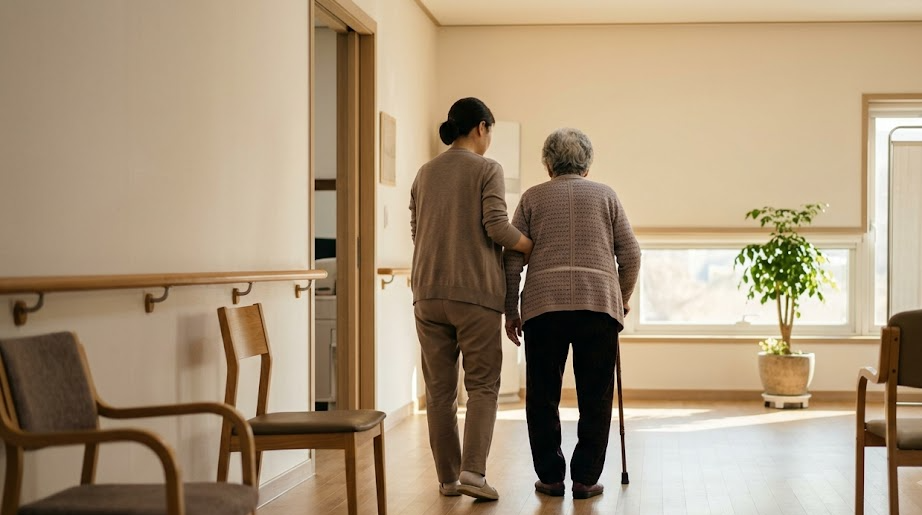
Fewer than one in ten people end their lives at home. The rate of deaths at home in Korea in 2024 is put at 8.3%. The policy forum "Hospice and Integrated Care Walking Together," held on the 10th in Meeting Room 8 of the National Assembly Members' Office Building and hosted by the Korean Society for Hospice and Palliative Care and Rep. Suh Young-seok, took this figure as its starting point. Its subtitle was "Policy Proposals and Implementation Strategies for the Enforcement of the Integrated Care Support Act and the Building of Continuity in End-of-Life Care."
The Act on Integrated Support for Community Care Including Medical and Long-Term Care took effect on the 27th of last month. It is a promise that people will receive medical care, long-term care and daily living support together in the neighborhoods where they have lived, instead of moving into facilities. The backbone is routing services that used to run separately, such as long-term care, customized care for older adults and visiting health management, through a single channel. It covers older adults and people with disabilities who have come to find daily life difficult because of frailty, disability, illness or accident, and those who fall into neither group can also receive support if the head of the local government judges it necessary.
The procedure starts with an application. After an assessment and a comprehensive determination, an individual support plan is drawn up, services are linked, and monitoring follows. The comprehensive determination and the drawing up of the plan are handled by a dedicated organization in the city, county or district, and for the assessment the National Health Insurance Service comes in as the specialized agency for older adults and the National Pension Service for people with disabilities. Life support workers record their working hours and visit schedules in a dedicated system as they make the rounds of several homes a day, check on well-being and safety, keep people company, and go along on outings and hospital visits.
At the forum, Kim Dae-kyun, education director of the Korean Society for Hospice and Palliative Care, said this design is too loosely woven to hold patients close to death. Pain changes within a few hours and crises usually come at night. He proposed a decision to place hospice among essential medical services and put funding into it, along with a system in which the Ministry of Health and Welfare takes on the role of control tower.
The factors that make it hard to spend one's last days at home were identified together as the thin channels for using medical care inside the home, the burden of care passing wholesale to the family, and the anxiety that no hospital bed will be in sight when a condition suddenly worsens. Four tasks for improvement were presented. They are clarifying where end-of-life patients fall within the system, increasing home-based hospice, creating home medical care that responds 24 hours a day, and connecting emergency and palliative care.
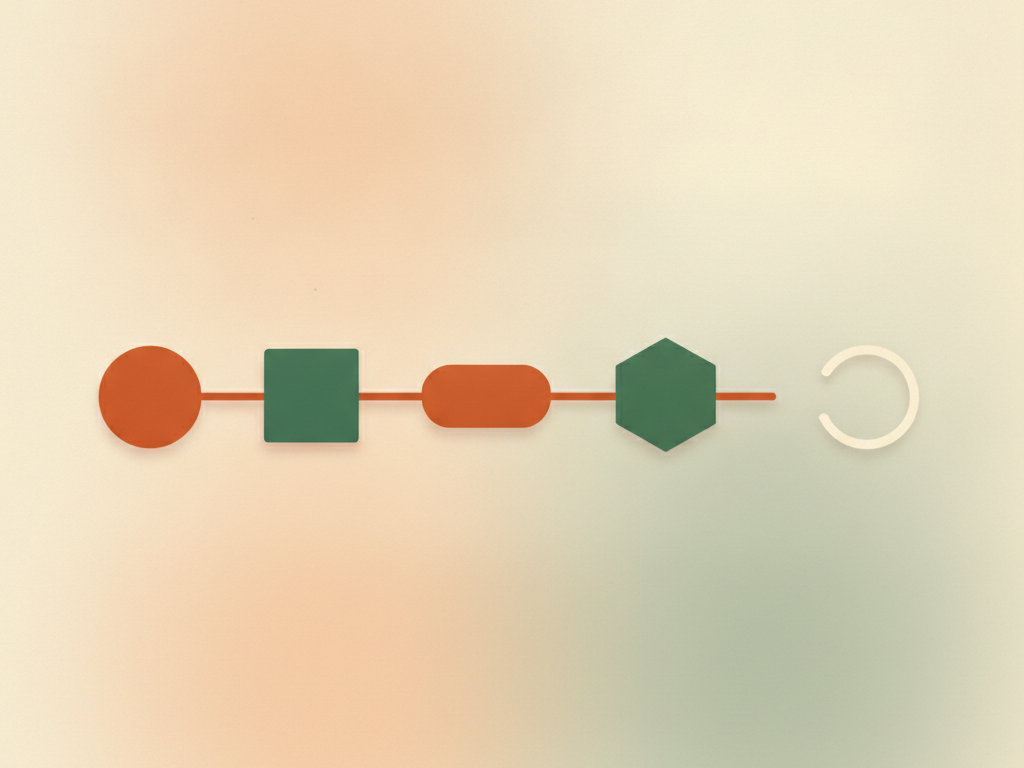
Lim Jong-han, president of the Korean Community Care Association, called for customized services grounded in a care manager system. He meant that local hospitals, long-term care facilities, visiting medical care, visiting nursing and home welfare must be tied into a single team instead of each moving on its own, so that palliative care can be reached in the community. Rep. Suh Young-seok said that medical care and care are split apart in the end-of-life area, and that home-based linkage, an around-the-clock response system and mechanisms to ease the family's burden are all lacking. The government side agreed at the forum on the need to fill the gaps and expressed an intention to secure continuity within the system.
As it happened, a day earlier on the 9th, the Ministry of Health and Welfare began inspections visiting cities, counties and districts as well as towns, townships and neighborhoods in 15 metropolitan cities and provinces excluding Sejong and Jeju. It is reported to be the first nationwide inspection since the law took full effect. It was drawn up as fifteen rounds from April through July, starting in the second week of April in Gwanak-gu, Seoul, and wrapping up in the third week of July in Seo-gu, Gwangju. Park Jae-man, the integrated care support officer, presides, and the head of the integrated care project team and others travel along.
The inspection sites take in farming and fishing areas such as Hoengseong-gun in Gangwon, Uiseong-gun in North Gyeongsang and Jincheon-gun in North Chungcheong along with cities such as Nam-gu in Ulsan, Gyeyang-gu in Incheon and Dalseo-gu in Daegu, in even measure. Local governments in the budget support category were put at the front, and after sitting in on the city, county and district integrated support meetings, the team looks at the towns' and neighborhoods' own assessments and comprehensive determination assessments and holds discussion sessions. Whether end-of-life and hospice linkage is included as an item on this checklist has not been made known.
Now, with the system just starting to run, is the time when there is the most room to rewrite the forms and procedures. From Gwanak-gu through Yeosu to Seo-gu, records from fifteen sites will pile up over four months. Depending on whether even one line about nighttime pain and the final few weeks is written into those records, the size of the promise of an ending in the place where one lived will change.
Somewhere among the homes a life support worker visited today sits a person who will die a few months from now. That person's name is written on the application and on the support plan. What remains is not leaving the last box of the plan blank.