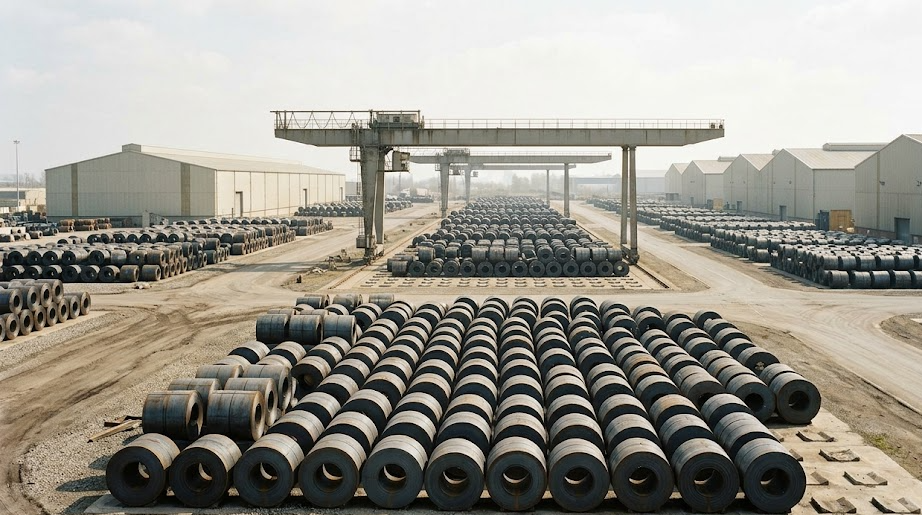
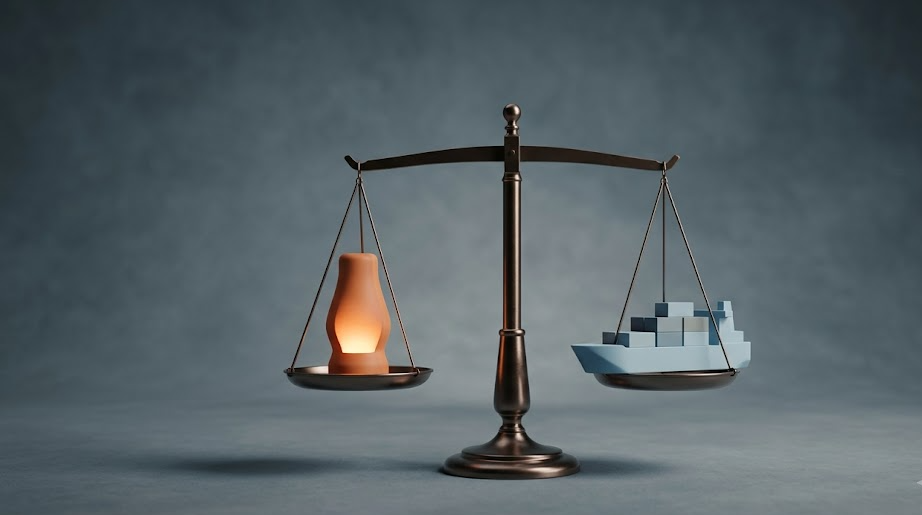
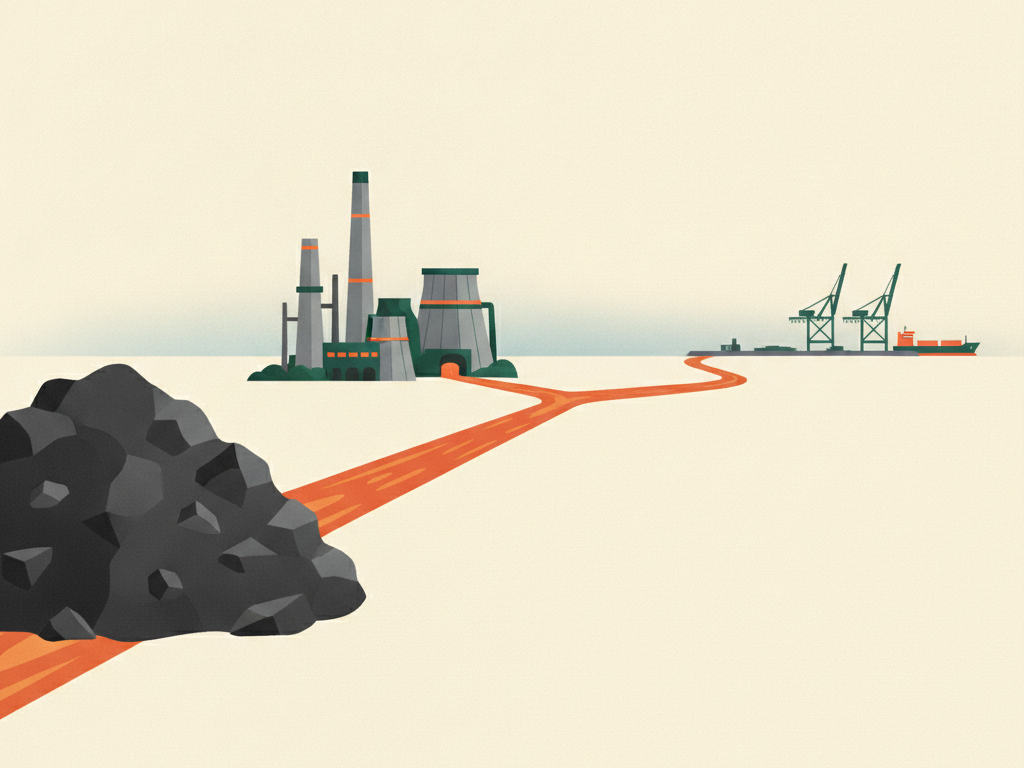
The focus of steel decarbonization is moving from equipment replacement to raw material procurement. A claim has been raised that Korea could save 4 trillion won by bringing in so-called "green iron" rather than building new low-carbon process facilities at home. Who produced the figure, what it was measured against, and what period it covers have not been disclosed. Even so, it is clear that the discussion over emissions reduction paths has shifted from technology choice to the question of cost.
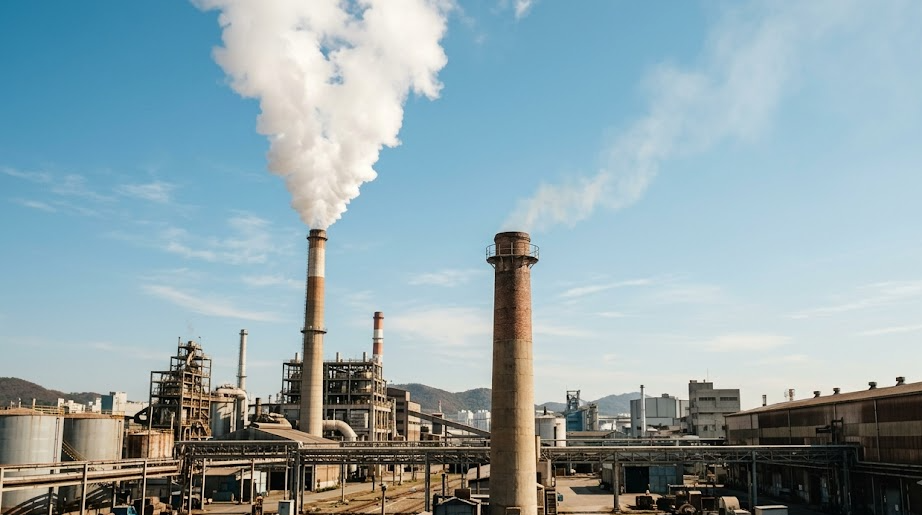
Steel is presented as accounting for about 15% of domestic greenhouse gas emissions. Emissions are concentrated in the blast furnace, the core process in domestic production. Because coke, a processed form of coal, is used in the reduction process that strips oxygen from iron ore, the process itself generates large volumes of carbon dioxide. This is why improvements at the level of switching fuels cannot substantially cut emissions.
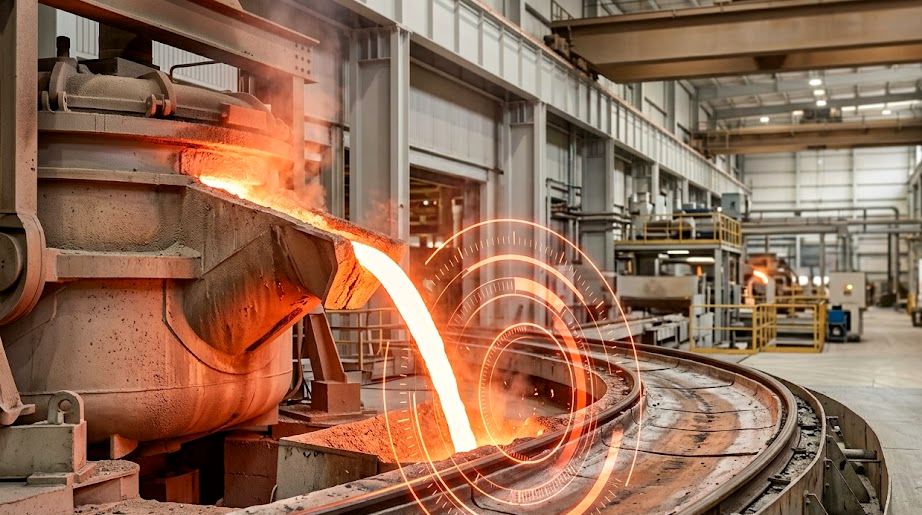
The electric arc furnace, cited as an alternative, skips the reduction stage. Because it melts scrap with electric heat to produce molten steel, it is commonly held to emit about 70% less than the existing process. This figure can vary depending on the measurement boundary and whether the power emission factor is reflected, so the conditions behind the calculation need to be examined alongside it.
Applying scale reveals the size of the transition. The production capacity of a single electric arc furnace is on the order of 2 million to 3 million tons a year, and domestic crude steel production is tallied at about 65 million tons. Simple division alone yields a calculation that around 20 furnaces would be needed. Once sites, power supply, and scrap procurement are all taken into account, this calculation is closer to a minimum.
Hydrogen-based direct reduction steelmaking, another path, remains in the early stages of commercialization. That means a long stretch remains before commercial facilities are built, and emissions regulations will arrive ahead of them. The European Union's Carbon Border Adjustment Mechanism (CBAM) took full effect in 2026. For domestic steel, with its large share of exports, how quickly reductions can be achieved becomes a trade condition in itself.
Institutional groundwork is also under way. The Special Act on Strengthening the Competitiveness of the Steel Industry and the Transition to Carbon Neutrality, known as the K-Steel Act, was enacted in December 2025 and is set to take effect in June 2026. A little over two months remain until it takes effect, and how the actual support will be carried out will only become clear once subordinate regulations are issued.
Cost variables are also in motion. The government announced a plan in March 2026 to overhaul the seasonal and time-of-use industrial electricity rate system, with an effective date of April 16, 2026. Off-peak nighttime rates will rise by 5.1 won per kWh and some daytime rates will fall. Because electric arc furnaces are facilities that consume large volumes of power, the burden may increase or decrease depending on when operations are run.
In public debate over steel decarbonization, it has been pointed out that the goals and standards of the transition must be agreed on first. Unless it is settled which processes will be recognized as low-carbon and how far the emissions of imported raw materials will be counted, it is difficult to compare reductions and costs by the same yardstick. The 4 trillion won estimate also changes in meaning depending on what it is being compared with.
Two dates can be confirmed for now. The electricity rate system changes on April 16, and the K-Steel Act takes effect in June. How the two measures are reflected in actual facility plans and raw material procurement decisions will determine whether the case for green iron imports stays on paper or moves into an implementation plan.