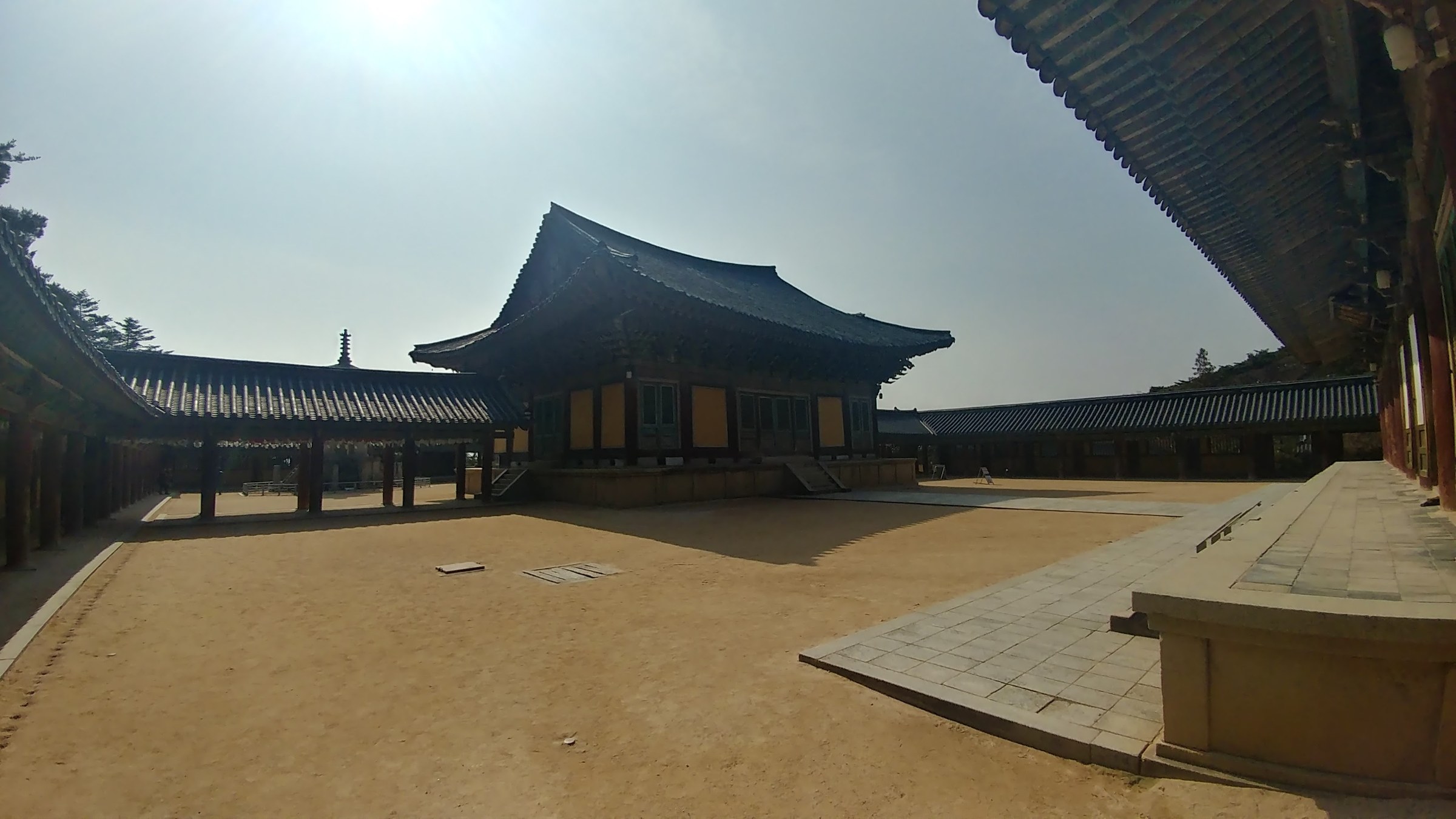
Gyeongju's Bulguksa Daeungjeon is entering a dismantling repair. The National Research Institute of Cultural Heritage issued inspection results finding that a dismantling repair is needed, and the Korea Heritage Service made them public on the 23rd. In heritage monitoring, Daeungjeon received a "repair (E)" grade, the second from the bottom among six grades. The Korea Heritage Service expects it to be a major project that usually takes up to 2-3 years.
Timber ages as it dries. The joints where columns and beams had been locked together open little by little, and as those gaps accumulate the whole building loosens. An official at the Korea Heritage Service explained that Daeungjeon is in an unstable state with its members aged and separated throughout, and that while there is no immediate risk of collapse, it could come down if a strong external force such as high winds or an earthquake is applied.
The signs had been there for a long time. From 2018 onward, opinions continued that its state of preservation required attention, and the 2023 inspection concluded that a dismantling repair was needed as sagging, cracks and damage appeared throughout the main members. Damage or detachment was confirmed in the daeryang, the large beam spanning between columns, and in the banja, the flat ceiling framed beneath the roof. Last year there was also an incident in which a ceiling member fell, which the Korea Heritage Service attributed to the aging of the member.
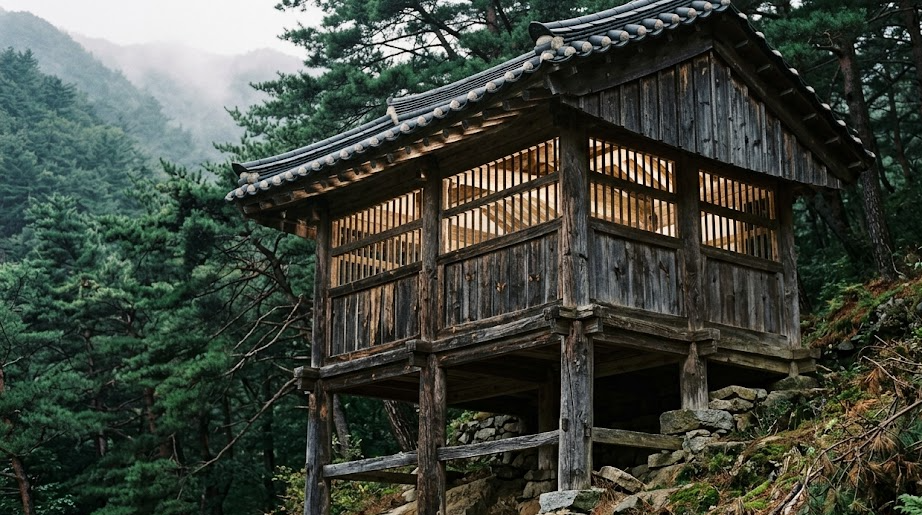
This building's age is not a single layer. Bulguksa is presumed to have been founded in 751, during the reign of Silla's King Gyeongdeok, and Daeungjeon is its central Buddha hall, but the building standing today was rebuilt in 1765, during the reign of Joseon's King Yeongjo. The foundation stones and stylobate in its lower parts are assessed as retaining their original Silla form. Joseon woodwork set atop granite has held for 260 years standing on Silla stone, and Daeungjeon was designated a Treasure in 2011.
The findings were reported this month at a meeting of the Architectural Heritage Subcommittee of the Cultural Heritage Committee. In the same monitoring, the National Treasure Seven-Story Brick Pagoda at Beopheungsa Temple Site in Andong and the Treasure Stele of Buddhist Monk Nangwon at Bohyeonsa Temple in Gangneung also received E grades. The Beopheungsa Temple Site brick pagoda has received the same grade for five straight years, but dismantling is not an option. Because its members are more than a thousand years old and damage to the original form would be unavoidable the moment it is taken apart, the Korea Heritage Service said "retention" is the core purpose of the monitoring.
Preservation becomes difficult here. Wooden structures have carried on for a thousand years because they can be dismantled and repaired, and brick pagodas age as they are because they cannot be dismantled. Being repairable is both a blessing and a burden.
Dismantling necessarily involves replacing something with new wood, and the touch of 1765 diminishes by as much as is replaced. Where repair ends and a different building begins is a line drawn anew at each site.
The Korea Heritage Service is considering opening part of the repair site to the public, as it did during the past repair of Bulguksa's Seokgatap. It is a matter to be decided at the stage of drawing up the overall plan. The start date and the scale of the work have not been fixed. This year's inspection targets include Sungnyemun and Cheomseongdae.
Once the screens go up, neither the curve of the eaves nor the grain of the wood left where the dancheong has faded will be visible for a while. Standing in the courtyard now, after climbing Cheongungyo and Baegungyo, one sees exactly this: Joseon woodwork resting on Silla stone. Before spring arrives the morning air in Gyeongju is cold, and the courtyard in front of Daeungjeon is quieter the earlier one goes. The next time one stands here, this building will be standing in slightly different wood.