

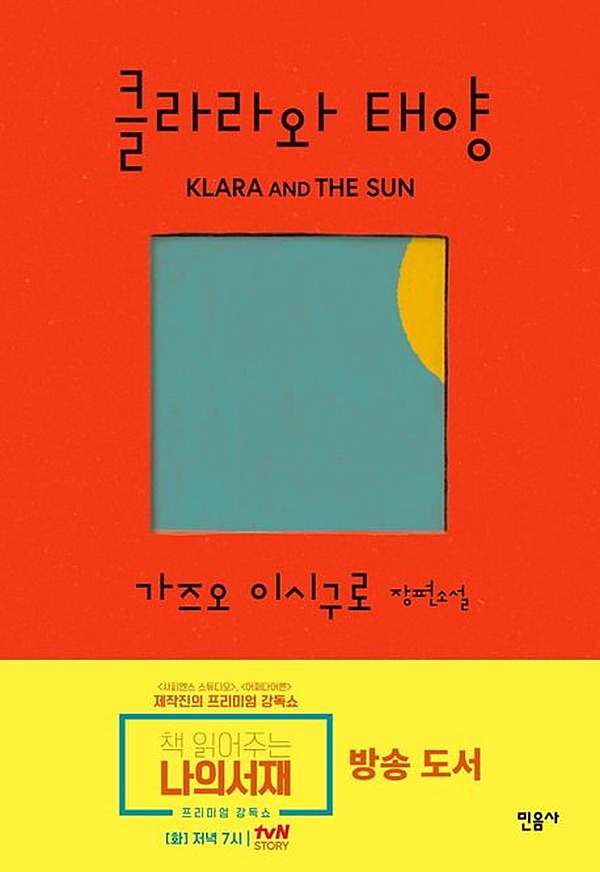
Can care be entrusted to a machine. This is an age when AI companion services that keep people company and monitor their emotional state are sold on monthly subscription. Kazuo Ishiguro's 'Klara and the Sun' (Minumsa, 2021) is a novel that makes you reconsider what those products are actually selling.
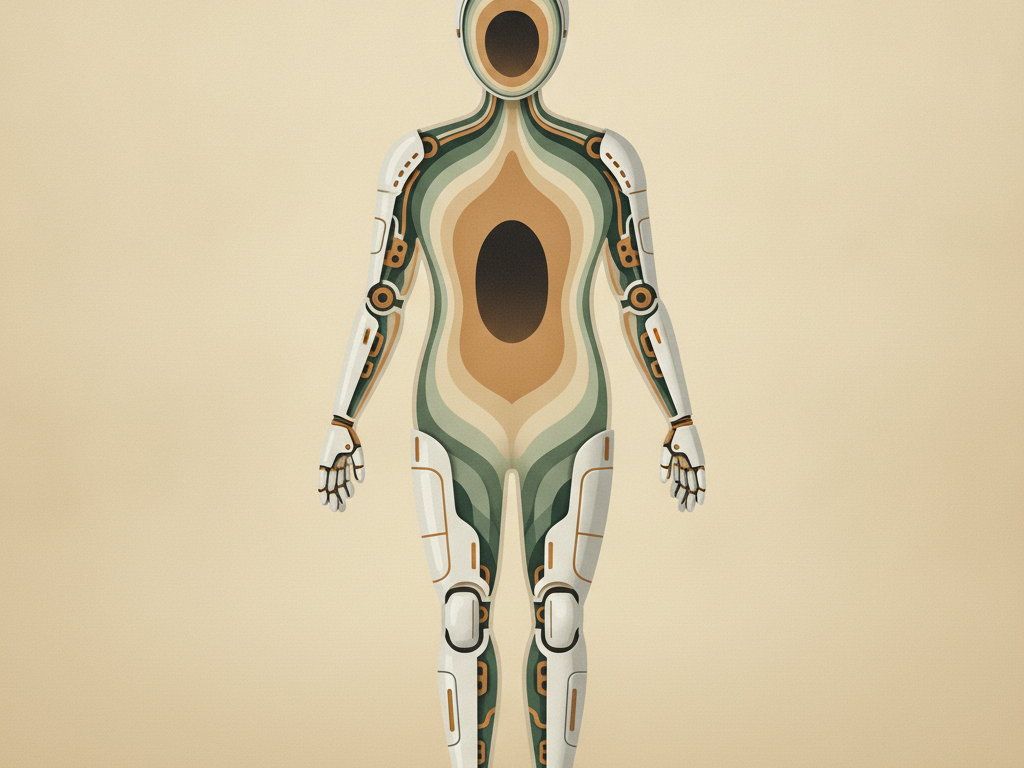
The voice that carries the story is not human. Klara, an artificial being made to be a child's friend, observes the world, and even the limits of that observation are conveyed to the reader as they are. Ishiguro creates tension by keeping the narrator's field of vision narrow. Every time the reader notices something Klara cannot see, the temperature of the story shifts.
This approach is useful for readers who follow technology. Today's AI companions generally store conversation logs to learn a user's preferences and emotional patterns. That learning is closer to guessing the next response by probability than to understanding a person.
Klara's observation follows the same grain. It gathers faithfully, infers faithfully, and goes astray at the decisive point.
The novel does not portray that divergence only as failure. It also shows that the company Klara offers does become real comfort for someone. The book reveals, without taking sides on whether it is good or bad, that a considerable part of care is filled by repeated responses and steady presence. And that part is something a machine can do better than a person.
What is the side that cannot be taken over. What this novel points to is where responsibility lies. People weigh what a being that stays by someone's side takes on regarding that person's future, and where it goes once the relationship ends, but machines do not. This is also where the reason lies that commercial service terms have a cancellation clause and no parting clause.
The book's strength lies in the restraint of showing emotion through situation rather than explaining it. This book does not choose the menace or awakening narratives that novels about artificial intelligence commonly fall into. Its limits are clear as well.
It pays almost no attention to how the technology works or how social institutions are designed, so it feels thin if you open it expecting the language of policy or industry. It is not a book that stands in for nonfiction.
That is why this novel is useful to system designers. Someone who has written the phrase 'emotional bond' into a proposal, someone drafting response scenarios for a care robot, someone reviewing conversational devices for older adults will, on reading it, get a sense of how far the functions they built can carry. The sentences are not difficult and the pace is not slow.
Because it is a novel that does not deal with technology or institutions, it offers no answer to the question of how far it can carry the realities of care. AI companions will grow cheaper and more plausible, and morning check-ins, medication reminders and nightly reflections will be handled by machines. How people use the time freed up that way is left to each person. What this book leaves behind is a single line drawn quietly between the care a machine can take over and the care it cannot.