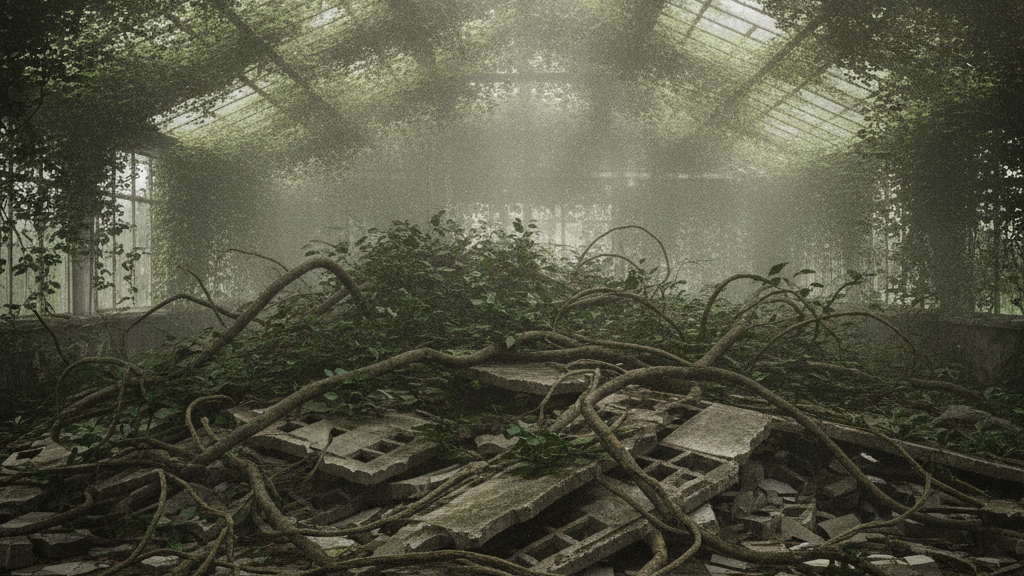
Whose task is it to rebuild a collapsed world? Stories that deal with the climate crisis usually focus on the moment of collapse. What takes a long time is the period after the collapse. Kim Choyeop's novel "The Greenhouse at the End of the Earth" (Giantbooks, 2021) takes hold of that period head on.
The novel is set on an Earth after disaster has swept through, and it follows the process by which plants and people survive together. It keeps its eye on the procedures of recovery rather than the spectacle of catastrophe. It uses the grammar of science fiction, yet its temperature is not cold. How the surviving beings held on to one another becomes the engine of the story.
This is the reason to open the book again in the first month of the new year. As the target year for carbon neutrality draws closer, the discussion narrows to reduction figures and implementation plans. Restoration does not run on the values written into tables alone. There have to be people who decide what to plant in damaged land, and people who water those plants until they take root.
What the novel shows well is the texture of that labor. Ecological restoration does not arrive as an event of dramatic change. Only when repeated observation and tending accumulate does progress barely become visible.

Choosing seeds, examining soil, and plowing failed plots over again do not become news. This book places that invisible time at the center of the narrative.
The two common branches of climate storytelling are the terror of the end and technological optimism. The first freezes people, and the second pushes the problem onto someone else. This novel leans on neither. It says that recovery was possible through the concrete care the survivors took on.
Its strength lies in weaving scientific imagination and the story of relationships together without strain. It takes the material conditions of plant physiology and dispersal as the frame of the narrative, while following the hearts of the people who handle those conditions. Technology does not save people, and people do not defeat technology. The two are placed on the same workbench.
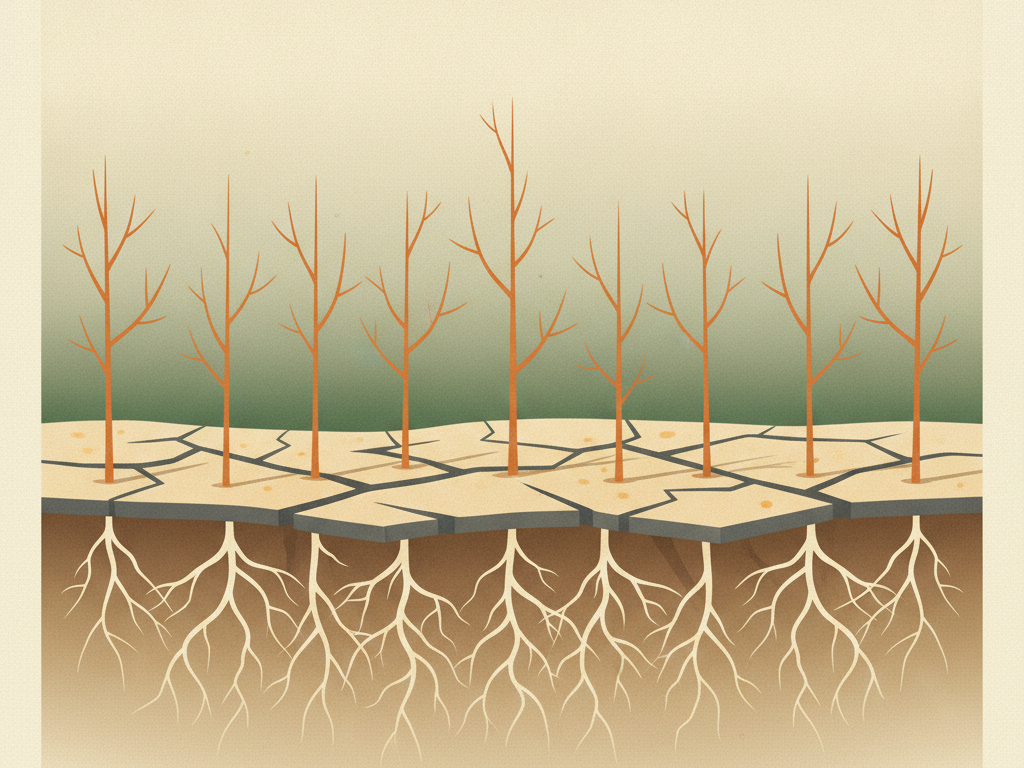
There are parts that thin out. The account of the institutions and resource distribution of post-disaster society, and of who bore the cost of recovery, is sparse. A reader who looks for an implementation model as if reading a policy document will be left wanting. Even taking into account that the novel's aim was never in that direction, anyone curious about the political economy of restoration will need one more book.
What a person worn out by climate debate gets from this novel is not a list of solutions. A sense of helplessness that came from looking only at emissions graphs and target years shifts for a while into another grain during the reading of sentences that follow soil and roots and seasons. That the power to imagine the aftermath of collapse carries over into the power to keep things from collapsing, the novel shows through the hand movements of its characters in place of explanation.
Then where did the care of the people who took on the repair come from? The novel never reveals the source of that feeling. It leaves behind only the fact that they watered every day.