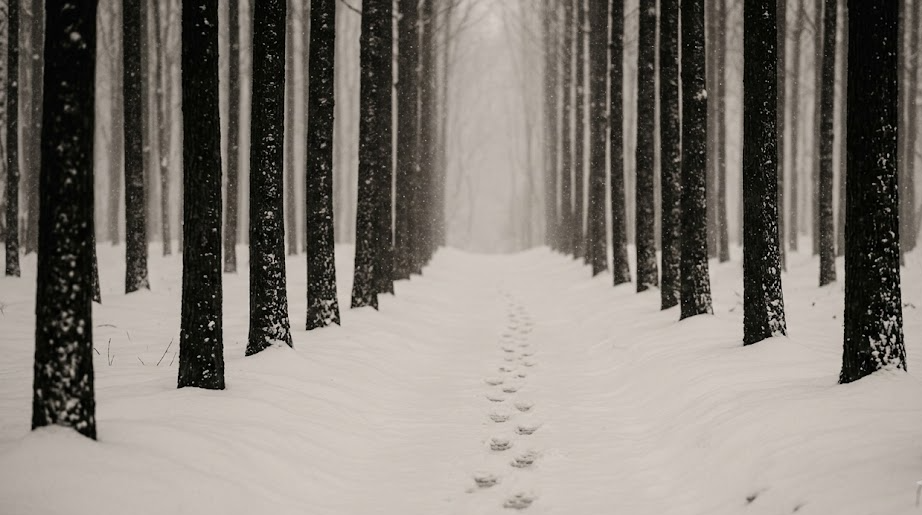
Snow covers. The force that covers resembles the force that erases, but is not the same. What is covered remains beneath, and when spring comes it shows again. "We Do Not Part" (by Han Kang, Munhakdongne, 2021) is a novel built on that difference.
The novel deals with snow and trees, and the time buried beneath them. The chill and wetness of winter form the texture of its sentences. The reading pace slows on its own, and if you try to turn pages quickly the sentences slip from your hands.
The writer has long carried what people have done to people into the language of literature. This time that work passes through the physical matter of winter and snow. Rather than putting the records directly on display, she puts the land and the weather that hold those records first. Readers go through that climate with their bodies before they learn about the events.
This is why the novel is read on pages devoted to cultural heritage. Local memory mostly does not survive in the form of buildings or artifacts. A collapsed wall, a nameless hill, an empty lot grown over with scrub are hard to place on a preservation list. Literature raises such things into the record.
The tension between preservation and use is not glossed over either. Showing a place of suffering is bound up with shaping that suffering into a consumable form. Put up a signboard and lay a path, and people come. As more people come, the reason the place remained that way is pushed back.
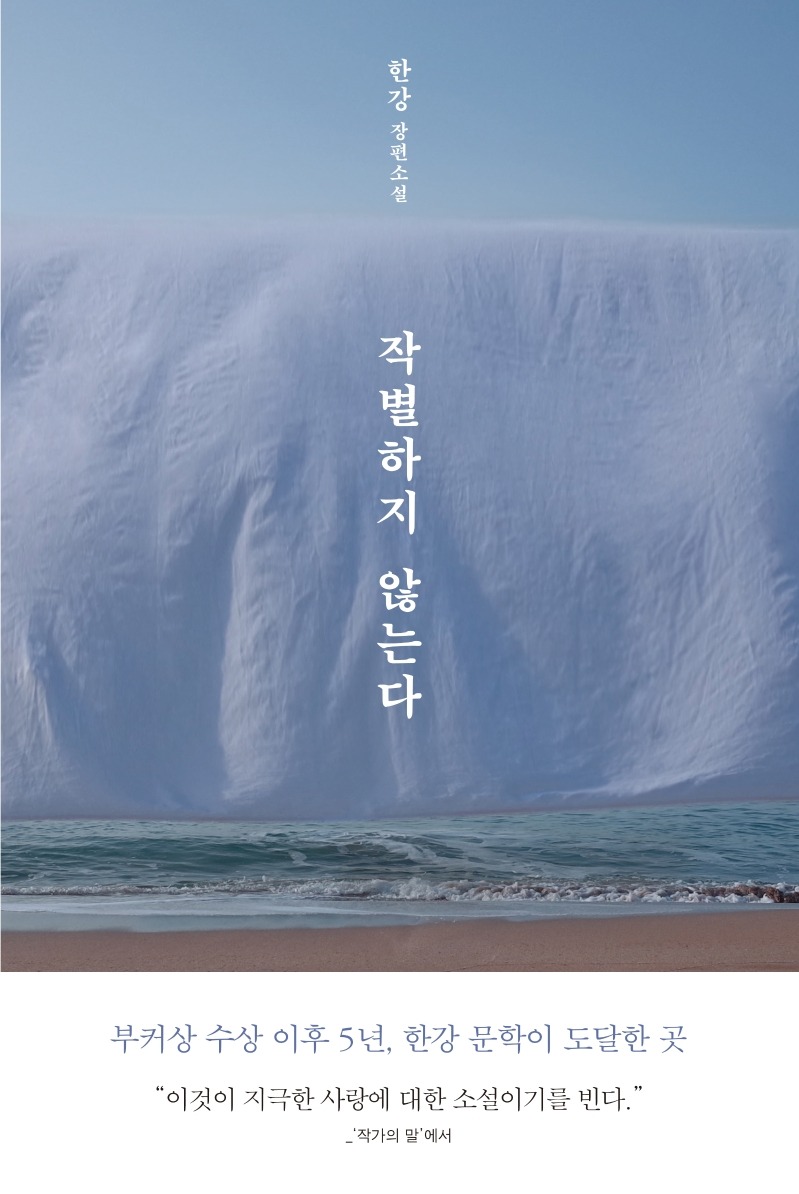
This book approaches from the opposite side. It does not hand over a smoothly arranged narrative, and it asks the reader to do the labor of digging into the snow directly. That labor is both the ethic and the threshold of this novel. A reader who wants to grasp the outline of the events quickly catches on that threshold.
Its limits should be stated too. This novel does not take the place of a history book. There is no chronology and no statistics, so a reader without background knowledge meets several moments of having to find out on their own what happened when. That lack is also of a piece with the literary method the book has chosen.
If archives and collections of testimony compete on the density of facts, this novel competes on the duration of sensation. Temperature and humidity follow you long after the book is closed. For someone who has read back and forth between local history and literature, that difference stands out especially.
Anyone thinking of walking through an unfamiliar region in winter would do well to bring this book. What comes into view changes when you pass villages and hills outside the tourist route, and nameless empty lots.
Digging out what has been covered takes hands that endure a long time, and this novel says the same thing from beginning to end. The door opens only for readers ready to bear the feel of those hands.