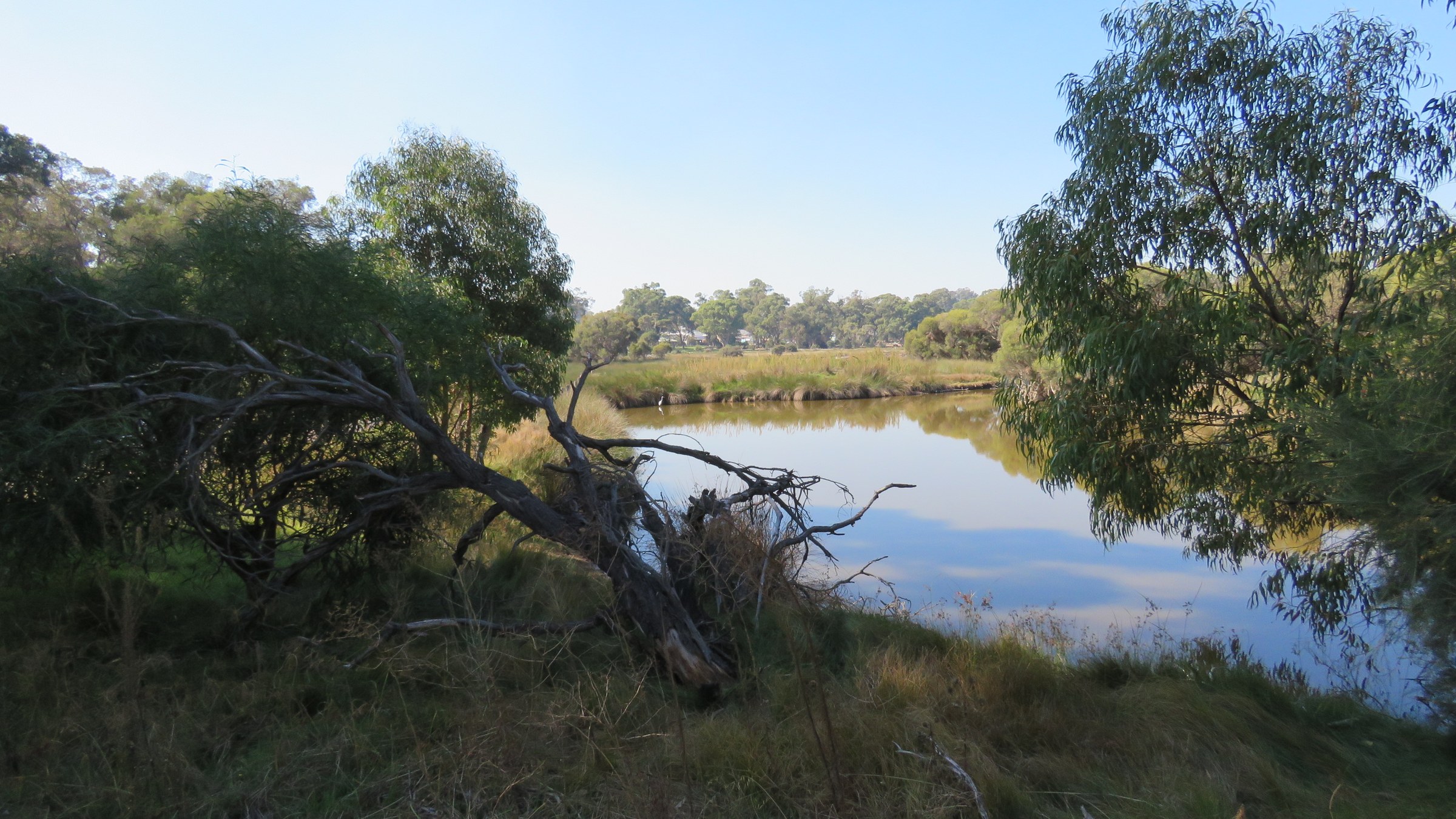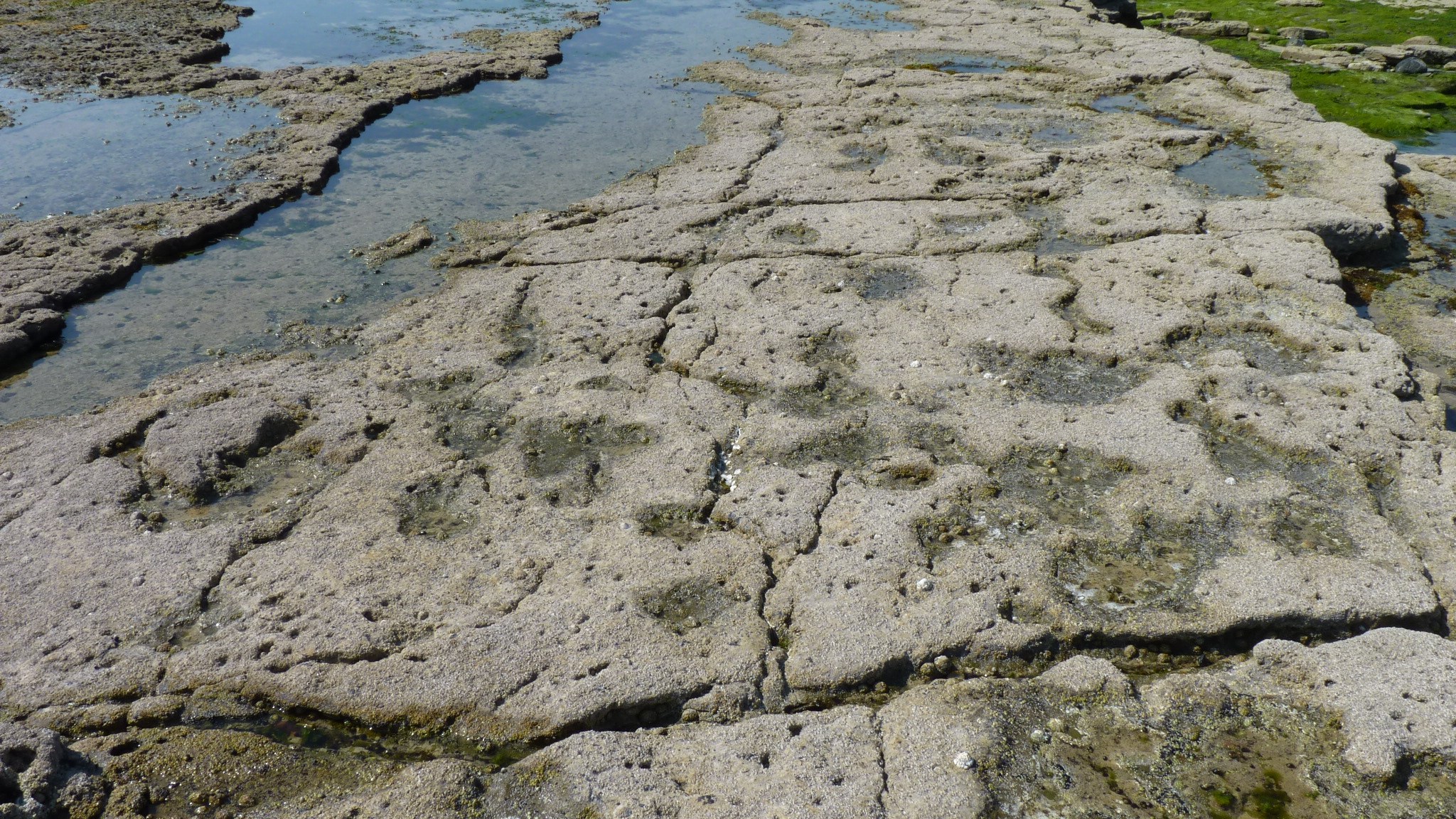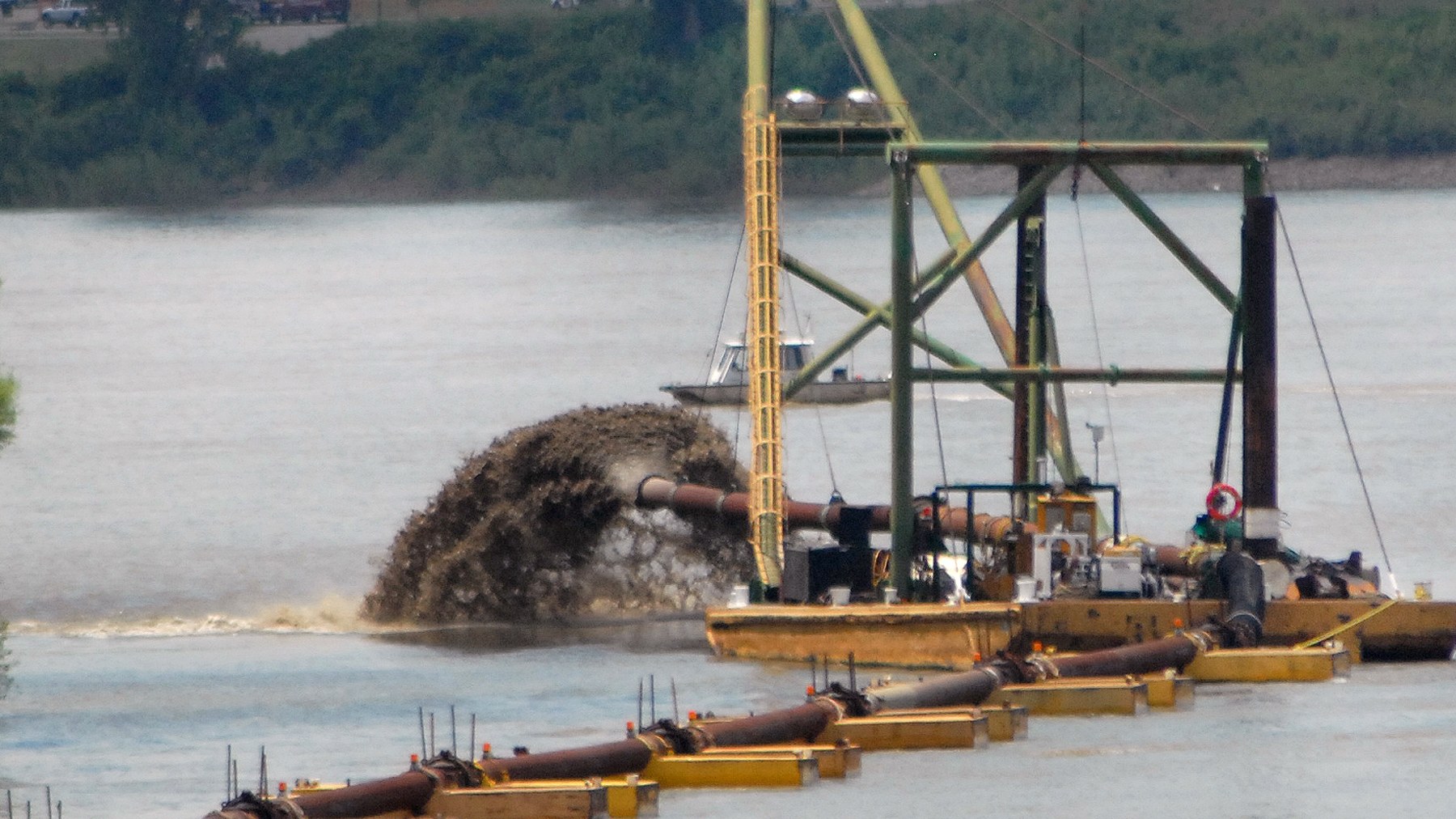
What is the most common material that makes up a city? An apartment building, a stretch of road, and a semiconductor chip in your hand all start from the same grains. Vince Beiser's The World in a Grain (Kachi, 2019) opens by unsettling that assumption.
The book is a work of nonfiction that surveys the material foundations of modern civilization along the axis of a single material, sand. It shows one after another how construction, glass, and electronic components all rest on the same raw material. Closer to the pace of reportage than to the grammar of an academic text, it reads without background knowledge.
The core point is that sand is not infinite. Desert sand has been worn smooth by wind and is hard to use as concrete aggregate, and the angular sand suited to construction is concentrated in rivers, coasts, and lake beds. When extraction is concentrated in one place, river topography, groundwater, and shorelines are all shaken along with it.
Winter is the season when domestic construction sites push their schedules hard. In a season when demand for aggregate rises, retracing where the raw material comes from is timely. Concrete is often called out over carbon because of cement, but aggregate, which accounts for most of its volume, drops out of the discussion.

The book's strength lies in the breadth of its view. Holding on to a single resource, it ties together construction, electronics, and urbanization while refusing to pin the problem on the fault of one industry or one country. What created the demand was society as a whole, which wanted cities that were wider and taller. Rather than casting consumption as evil, the narrative follows the flow of materials, and it persuades without overstatement.
There are thin parts as well. Because the book came out in 2019, it does not cover the recycled aggregate technologies, circular resource systems, and changes in national extraction regulations that came afterward. It is closer to a book that gives a feel for the scale of the problem than a guide that designs alternatives. How much domestic aggregate is supplied and from where is something readers have to fill in on their own.
Where nonfiction on a single resource has usually chosen scarce minerals or energy, this book picked something cheap and common. It is the story of a resource that went unwatched because it was not expensive, and grew in scale because it went unwatched. That connects to why, in talking about resource circulation, one should look first at the items with low recycling rates.
Where nonfiction on scarce minerals or energy built tension by calculating the point of depletion, this book follows the traces of extraction more than depletion. Scenes of riverbeds being dug out and shorelines retreating are described at greater length than statistics. It is a choice made to show how something hard to put a price on disappears.