Someone on the other side of the screen smiles and asks how you have been. The voice and the expression are just as you remember, but that person has died. The film 「Wonderland」 opens up a world where this single call has become a product. It asks less about the performance of the technology than about how the person who turns it on every day lives.
It is a 2024 South Korean science fiction romance drama written and directed by Kim Tae-yong. "Wonderland" is the name of both a virtual world and a service that recreates people who have died and can no longer be seen. Bai Li, an archaeologist on an excavation in the desert, often calls her young daughter, and Jung-in, a flight attendant, talks with her partner Tae-ju, who is in space. As it emerges that both calls go through Wonderland, what the film means to dig into opens up.
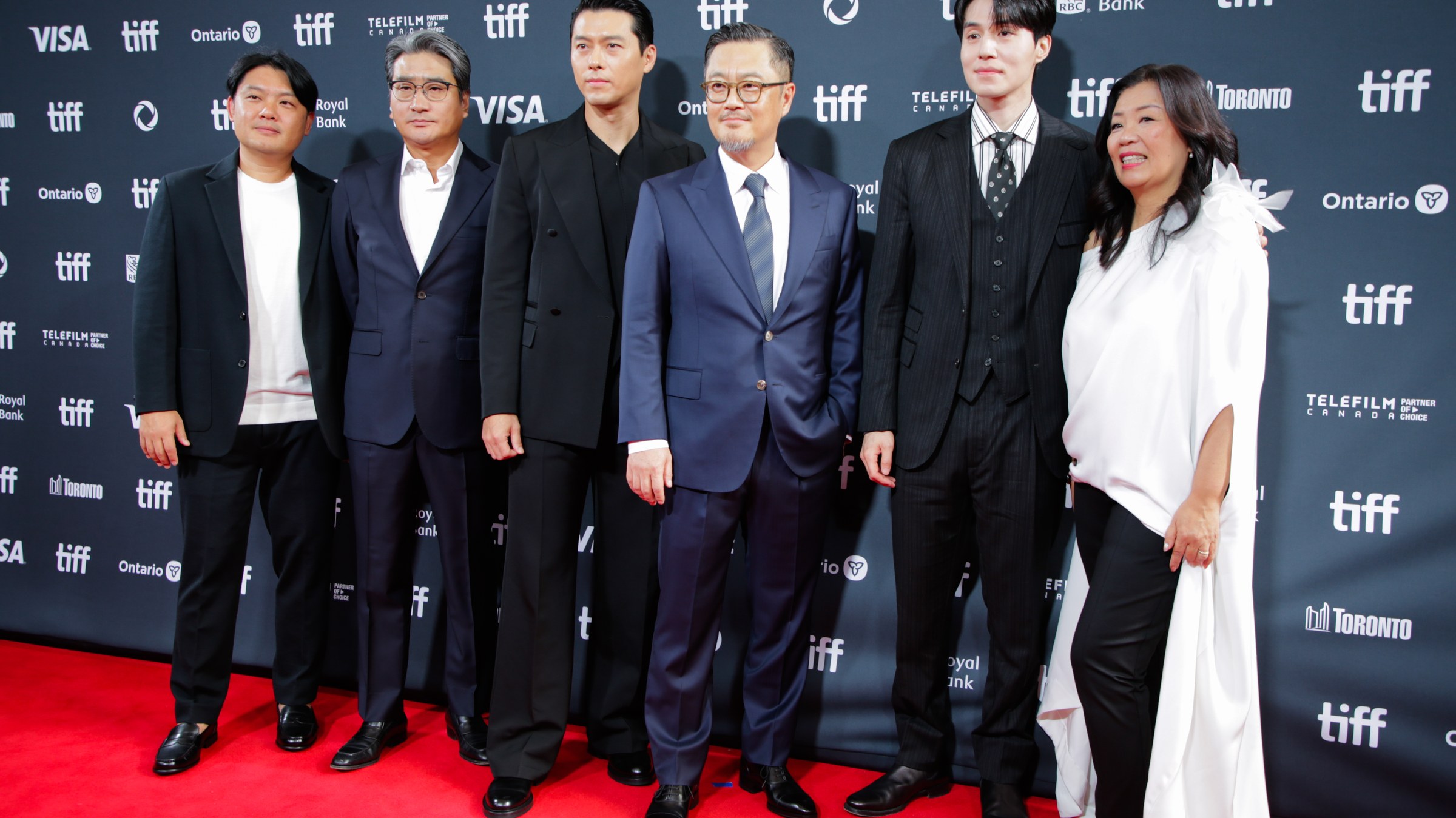
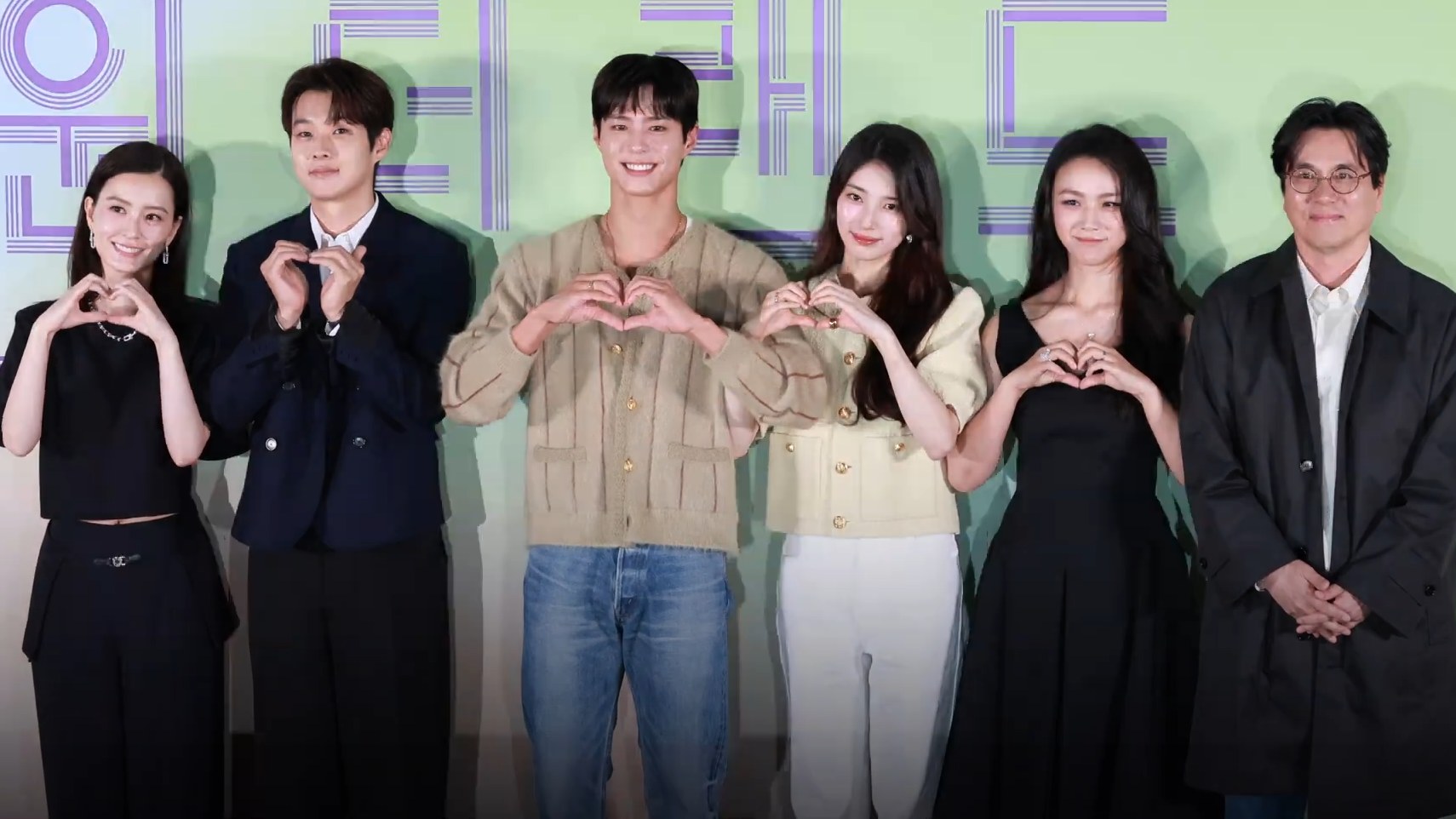
Tang Wei, Park Bo-gum, Bae Suzy, Jung Yu-mi and Choi Woo-shik star, with a special appearance by Gong Yoo. A notable choice is that the film also gives a face to the side selling the service. Harry and Hyun-su are Wonderland's coordinators, who manage how the recreated personalities will operate. They handle a case inside the system in which a grandson exploits his grandmother, and this scene compresses what happens the moment mourning becomes an industry.
Services that train on the voices and faces of the dead to hold conversations already exist in reality. What they require is data from the person's lifetime, such as photographs, videos and text records. Two things catch here. That the person to be recreated never consented, and that the company holding the data decides whether the relationship continues.

What 「Wonderland」 does well is that it does not drag this problem into a courtroom or a boardroom. It plants it in the everyday rhythm of paying a fee and making a call. Even after Tae-ju, who had been in a vegetative state, wakes up and returns home, Jung-in cannot erase the time she spent with the recreated Tae-ju. Direction that arranges the gap between the comfort made by technology and an actual person this quietly is rare.
The places where the film loses its force are clear as well. Because it moves back and forth among the stories of several couples, each story hands off to the next before reaching its emotional peak. Nor does it go beyond the coordinators' work into what rules and interests the company running the service follows. As much as it concentrates on the feeling of mourning, Wonderland as an industry stays in the background.
Still, the reason this film holds now lies in its timing. The services have already been built, and the rules remain unsettled. There are no answers yet as to who holds the right to be recreated, where the recreated personality goes when the contract ends, or what the operator must do when a user comes to depend on it. The film fills that gap with the faces of its characters.
Leaving the theater, you notice the call booth at the entrance to the screening room, like a public phone booth set at one side of the lobby. That simple device, where you insert a fee and hear a voice, connects you to a dead person inside the film and connects nothing outside it. Wonderland's service, too, comes down to whose hand it is that opens and closes the door of that booth.