
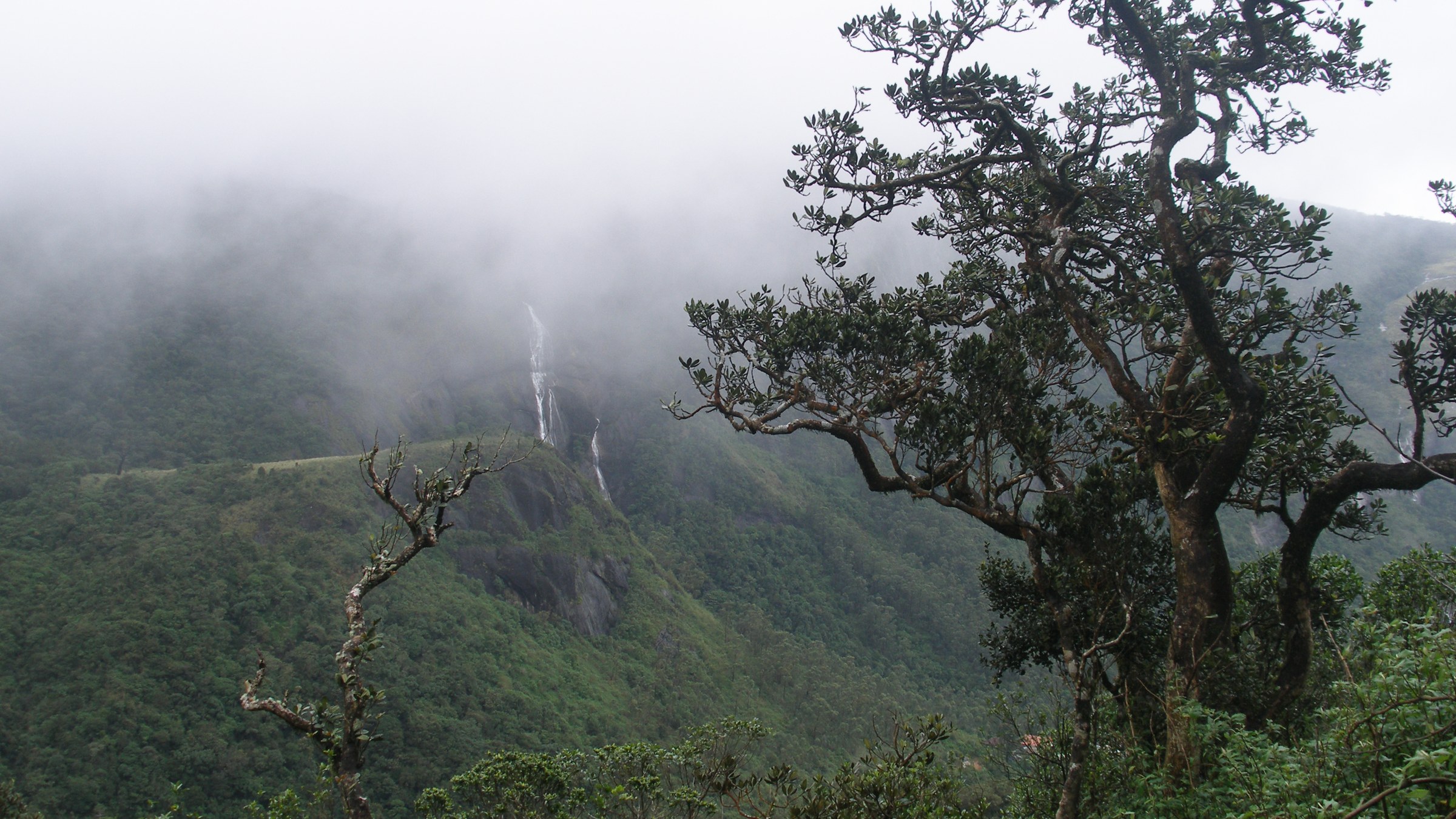
A man fills water containers from a stream in the forest. He splits firewood, smokes a cigarette, and lets the sound of distant gunshots pass. This repetition is the film's opening rhythm. The film takes a long stretch of time to convey, without dialogue, that the water upstream is life itself.
"Evil Does Not Exist" is a 2023 Japanese drama written and directed by Ryusuke Hamaguchi. It was invited to the 80th Venice Film Festival in competition for the Golden Lion, where it won the Grand Jury Prize and the FIPRESCI Prize, and it also won Best Film at the London Film Festival that year. Most of the cast are non-professional actors. Instead of polished expressions, the audience sees the conditions the characters are placed in.
A plan to build a glamping site arrives in the daily life of Takumi, who raises his daughter Hana alone in the mountain village of Mizubiki. At a residents' briefing, Takahashi and Mayuzumi of the development company introduce the plan, and the residents voice their concerns with one voice. The core issue is contaminated water seeping into the groundwater. The physics of what is discarded above flowing downward is the whole of this film's conflict.
The benefits of tourism development gather with the operator and the urban visitors, and the burden placed on the water and the forest is left with the people who go on living on that land. The film shows this asymmetry through calm calculation rather than shouting in the tone of an exposé. Those who decide what to put upstream and those who drink that water downstream are different, and that is the chill of this story.
Hamaguchi has said the project began with a commission from the musician Eiko Ishibashi for concert visuals. While researching the area around Ishibashi's music studio, he witnessed a briefing for a glamping campsite similar to the one in the film, and he thought he could make a film from the perspective of urban logic intervening in an individual's living space. That starting point remains in the density of the briefing scene.
The strength of the direction is concentrated in that briefing sequence. Rather than erupting emotionally, the residents point out the weak spots in the plan one by one, and the two company representatives are not drawn as villains either. Taking orders from headquarters, they listen to the village and lean toward the residents, but the plan does not change. It is a way of pointing at the system that keeps such a plan rolling instead of naming an evil individual.
The points where it slackens are clear as well. As time is divided among the development company's circumstances and the representatives' wavering, the water problem the village must bear moves toward emotional tension rather than going further into procedure. The symbolic turn in the latter half widens the range of interpretation, but it gives back some of the concreteness built up in the earlier part. It is a choice that sets the problem out precisely and leaves the answer to the forest.
Anyone who has checked how the sentences of a development proposal touch actual land and water will find the briefing scene of this film worth watching at length. Few sequences show as calmly as this one how the language of procedure passes people by.