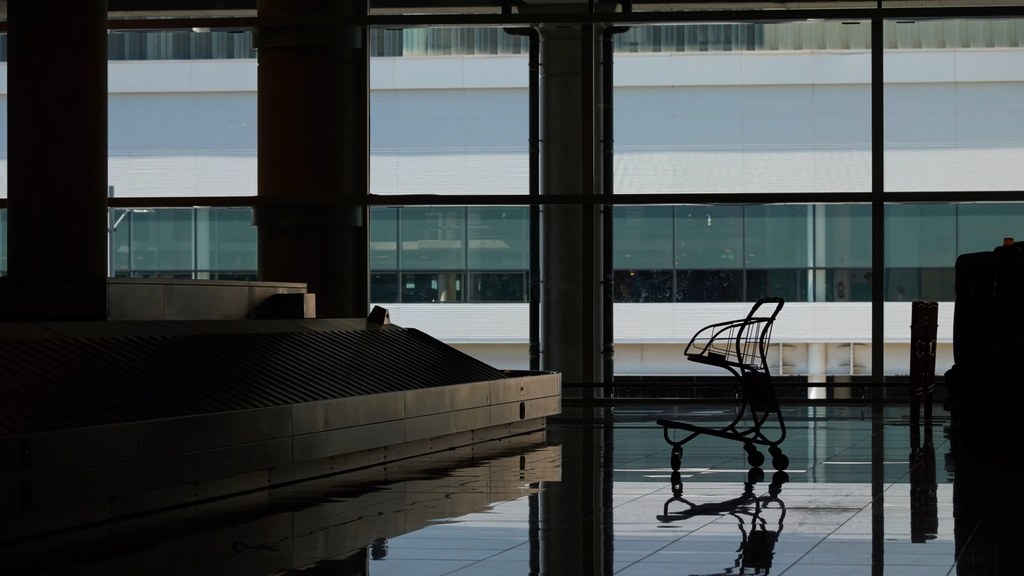
Gyena decides to leave. Cut down to two words, the reason is 'because I hate Korea'; cut down to three, 'because I can't live here.' The film places that shortened answer directly in its title and goes back over what that brief sentence is actually the sum of.
「한국이 싫어서」(Because I Hate Korea) is a drama directed and written by Jang Kun-jae. It is based on Chang Kang-myoung's novel of the same name, and it was first shown on October 4, 2023 as the opening film of the 28th Busan International Film Festival. Its domestic theatrical release came about 10 months later, on August 28, 2024. Ko Asung plays Gyena, Ju Jong-hyuk plays Jae-in, and Kim Woo-gyeom plays Ji-myung.
The story's starting point is simple. Gyena, in her late 20s, one day leaves behind her job, her family and her boyfriend and heads alone to New Zealand. Shooting began on July 29, 2022, and after delays caused by the spread of COVID-19, location filming in New Zealand took place in January 2023. The weight of the running time rests on the time that follows rather than on the moment of deciding to emigrate.
The reason this film belongs on the business pages is that Gyena's choice is not drawn as a matter of taste. The hours spent commuting, the location of the housing those hours produce, the share that location takes out of her wages. What disappears when the reason for leaving is summed up in a single word of feeling is this calculation.
The title's 'because I hate Korea' comes from 'Tal-Joseon,' a self-mocking meme of the 2010s. The title of the original novel points in the opposite direction. It means there is no paradise even after you leave. As long as the film keeps this double meaning, emigration reads closer to a trade that changes the conditions than to a solution.
The direction chose not to blow the events up. Gyena, played by Ko Asung, does not declaim her decision, and the camera does not justify it either. This restraint is the film's greatest virtue and at the same time the point where it loses persuasive force.
It is a virtue because it hands the question of what to count as right over to the audience. It grows loose because it keeps the social problems surrounding wages and housing inside one person's timetable. Why wages and housing are arranged that way stays off screen, and the audience follows only the choice of Gyena alone. The moment it is reduced to an individual's decision, the words to throw at the system step back a little.
Even so, this film is worth seeing again now. In September, as the festival season comes back around in Busan, you can check against your own work schedule and monthly rent statement how much the question mark raised by the opening film two years ago has changed in the meantime. For viewers weighing a job change or a move abroad, what comes into view is the living expenses that follow rather than Gyena's decision.
Read departure as a decision and this film is short; read it as a calculation and it is long. The title speaks of emotion, the content speaks of conditions. 「한국이 싫어서」 ends with that gap left unfilled. Once you leave the theater, you find yourself writing out the reasons for the dislike item by item.