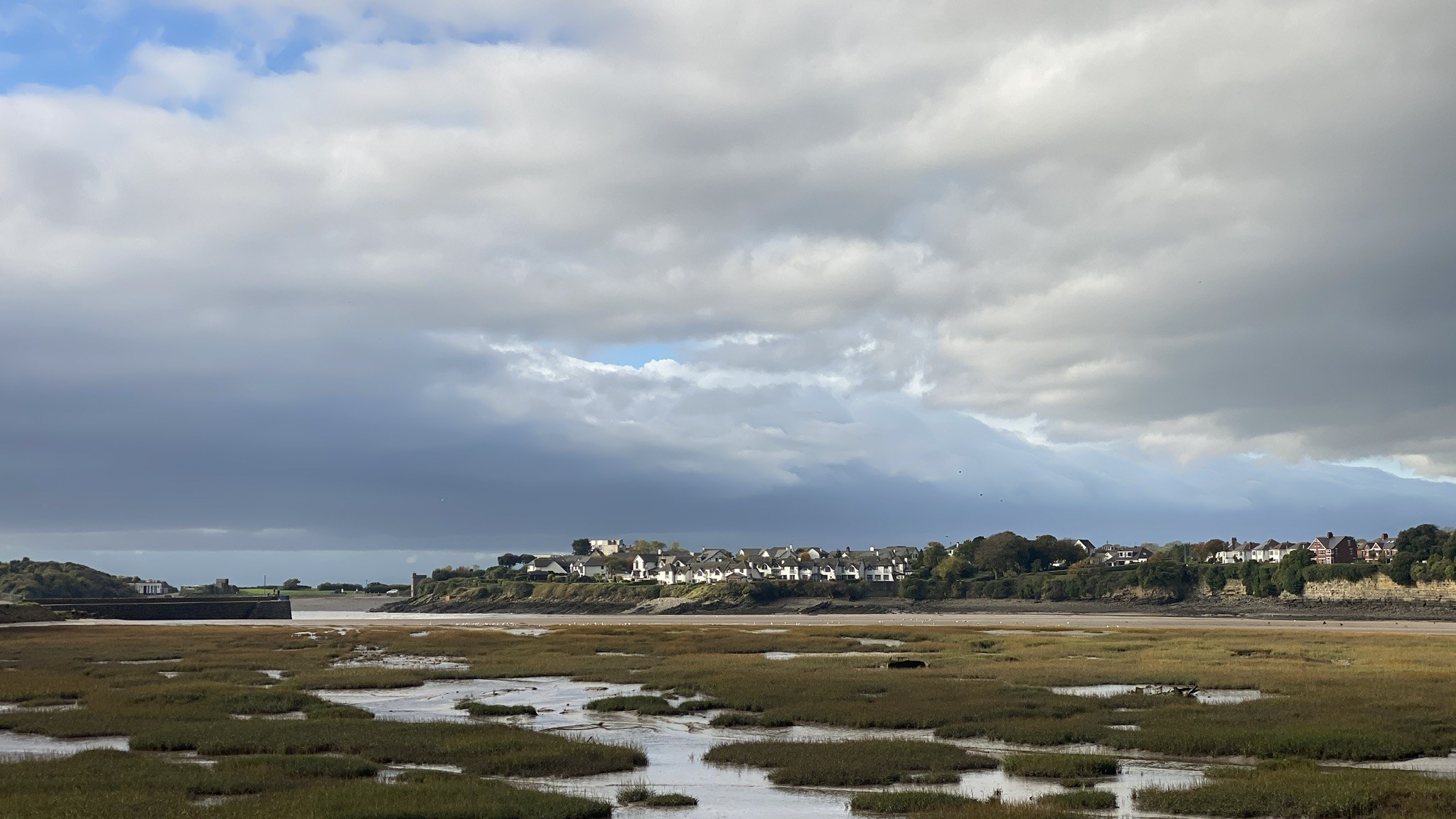
In September, the tidal flat changes first in its sounds. In every channel where the water has drained, the sound of bills tapping the mud spreads, and shorebirds that have crossed a long road settle back down on the same mud where they sat last year. When people hear the name Saemangeum, they usually think of the seawall and the reclamation plan, but inside that name there remains a tidal flat that still breathes. The film "Suro" is a record of watching that remaining tidal flat for a long time.
The original title of this work, released by director Hwang Yun in 2023, carries the subtitle "A Love Song." It calls itself a love song in place of an indictment. This choice is closer to a declaration of attitude than to simple rhetoric. It means placing the tidal flat as a counterpart seated across from you rather than as an object to be protected.
Stories about development are usually summed up as a standoff between two camps. But the point where this film places its camera is not the middle of that standoff, it is the mud where the water still comes in and goes out after the dispute has passed. Instead of counting what has been lost, it chooses to count what remains for now. When the list of the living grows longer than the list of the vanished, the direction of the story quietly changes.
This is where the reason a climate page takes up this film comes in. A tidal flat is a buffer zone between the sea and the land that holds water, soil and living things in place, and once it is covered, the time it takes to bring it back does not compare with the time it took to cover it. The word restoration is used often, but the conditions under which restoration is actually possible are narrow. A passage for seawater to move in and out has to remain, and the creatures that remember that passage have to still be in that place.
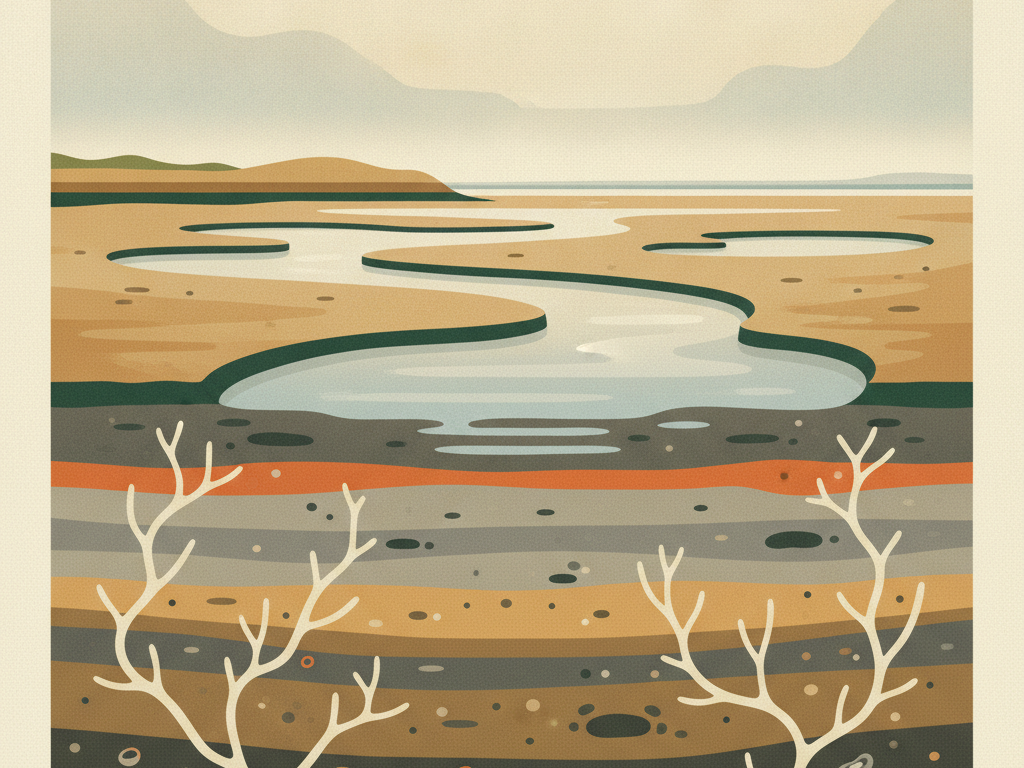
The strength of the direction comes from how it handles time. A record that returns to the same place through the seasons builds evidence that a single photograph can never make. When the claim that the tidal flat is dead collides with the claim that it is alive, what delivers the ruling is not the argument but the number of birds that came back each year. This film takes that repetition itself as its argument.
The choice of a love song also carries a cost. The language of love is strong at opening an audience's heart, but when it has to meet the logic of development head on, it often slips gently past. As the emotional axis thickens, the procedure that decided the reclamation and the means of reversing that decision are pushed off the screen. The force that makes an audience ask what they should do after leaving the theater arrives a little late because of that slipping past.
Even so, this work avoids both greenwashing and apocalypse. It does not say everything is over, and it does not say there is nothing to worry about because management is going well. It walks slowly toward a single sentence: because it has remained until now, now may be the last chance. In environmental documentaries, this balance is rarer than one might think.
Since the release, the dispute over the tidal flat has not gone away, and neither side holds a conclusion in hand as they circle the same spot. In the meantime the birds on screen have gone one more turn around the seasons, and the repetition the film recorded has grown that much longer. Seen again now, what this work set aside in the language of love stands out more clearly. The more the fact that it remains keeps being confirmed, the more loudly the question of how long that confirmation will hold rings outside the screen.