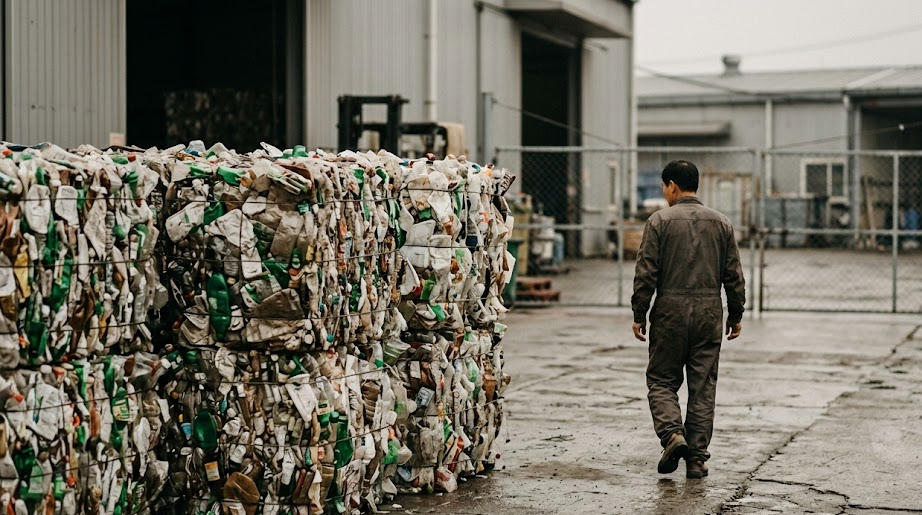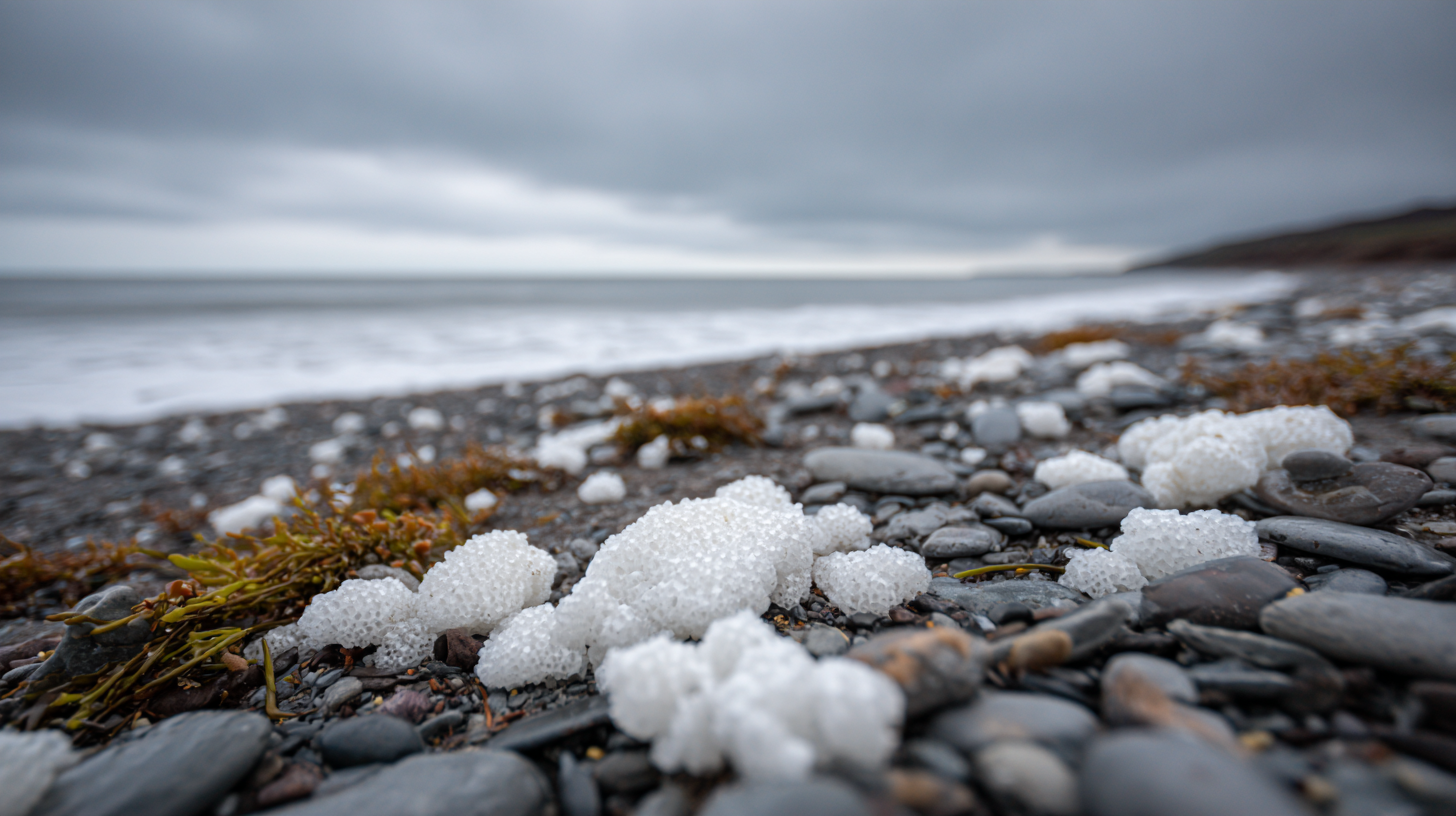
Three microbes that alter plastic have come out of waste Styrofoam buoys. It is a finding by the research team of Professor Kim Jong-hoon of the Department of Biotechnology at Pukyong National University. The material in question is polystyrene (PS). Master's student Seo Beom-seok took part in the research, and the results were published in the international journal 'Environmental Chemistry and Ecotoxicology'.
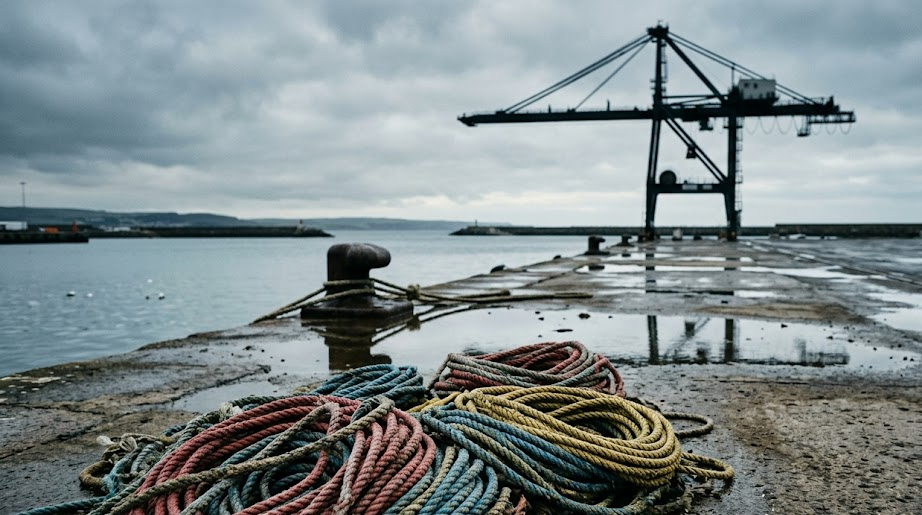
The microbes were retrieved from the Busan coast. The team swabbed the outer surfaces of collected buoys and picked out the bacteria.
The experiment was simple. The isolated microbes and plastic film were placed in one container and cultured for 30 days. The surface of the film grew rough, and pits formed. The weight of the film also fell.
The weight loss in itself is not the key point. If the plastic had only broken into small pieces, microplastics would simply increase. The team confirmed that, beyond physical fragmentation, the action of the microbes can change even the chemical properties of the plastic.
Professor Kim Jong-hoon said this is a case showing that marine waste can be a place that produces microplastics and at the same time a biological environment where plastic degradation reactions occur.
The research was supported by the National Institute of Biological Resources under the Ministry of Environment.
Responses to ocean plastic have long run on regulation that makes people throw away less and on collection that scoops up what floats in the sea. Both are needed, but answers on how to handle the waste buoys once they are pulled up have been thin. Bioconversion takes aim at that blank. Waste buoys, treated as a nuisance, were also a habitat holding useful strains.
Conditions in a laboratory culture dish are not the same as those in nature. A culture period of 30 days does not translate directly into degradation time in nature. The scientific names and strain information of the three microbes, and the identity of the conversion products, must wait for a follow-up announcement. This result is a discovery at the starting line of an industrial process.
Still, the confirmation by experiment of an option other than neglect and incineration is clear progress. What matters from here is follow-up research to characterize the strains and raise conversion efficiency, and the funding to move it to demonstration scale.
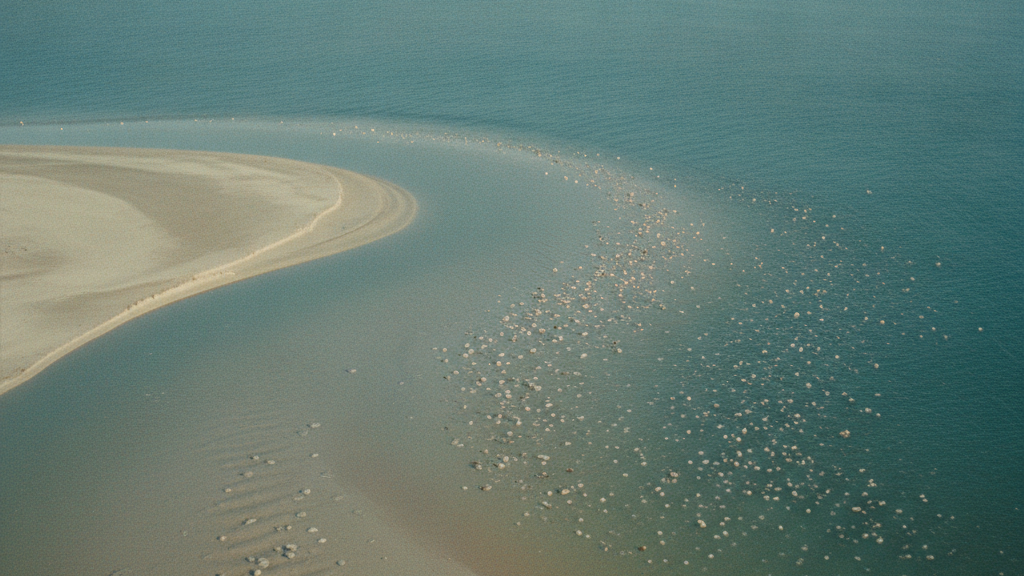
Aquaculture buoys are still being worn down by the waves and shedding white fragments. If you see a palm-sized lump of Styrofoam while walking on the beach, do not push it toward the waves with your foot, pick it up and put it in a bag. A fragment that reaches land before it breaks apart one more time becomes material that researchers can work with.