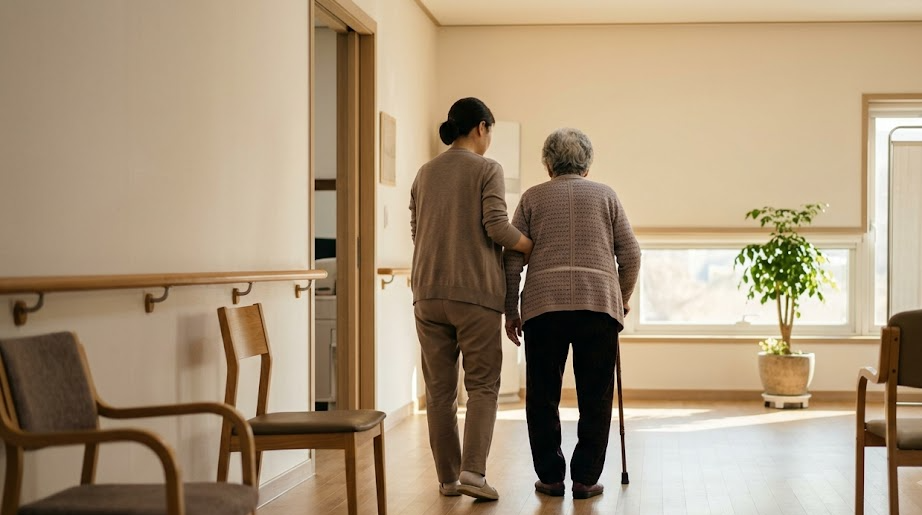
In Gaegeum 3-dong, Busanjin-gu, the welfare and health counseling desk goes out to residents. It moves into the neighborhood instead of sitting in the district office and waiting. It has been 100 days since attempts like this began in places across the country. The Act on Integrated Support for Community Care Such as Medical Care and Long-Term Care marked 100 days in force on July 4, and over that period some 46,000 people knocked on the door of integrated care.
The law sets up a framework for receiving medical care and long-term care together in the home where one already lives, without moving to a hospital or a facility. The main program took effect nationwide on March 27, 2026. Of those who applied, some 37,000 were connected to actual services, and the services provided came to some 123,000 cases. One person received an average of 3.3.
What is worth watching is the mix inside that figure. Some 37% of the services provided were specialized services that local governments designed themselves to fit local conditions. Such locally specialized services number some 4,000. It means neighborhoods are filling in, on their own, the gaps that the standard menu handed down from the center does not cover.
Broken down by field as of June 26, daily living care was the largest at 43.1%. Health management and prevention followed at 19.7%, long-term care at 12.8%, and housing welfare at 10.1%. The hands that hold up the basics of daily life, such as meals, cleaning and getting around, are still needed most.
Demand is far larger. When the Ministry of Health and Welfare asked 2,000 people in June, 93.8% said they would use integrated care if they came to need care. That is more than nine out of ten. Yet the number who actually applied over the 100 days stays at some 46,000.
Busan has the fourth-largest number of older applicants in the country. Narrowing the range to metropolitan cities, it is second after Daejeon.
Whether the system actually changes people's lives is also being confirmed. At the first Community Integrated Care Forum held on July 8, Professor Nam Hyun-joo of Gachon University presented an analysis of participants in the second preliminary project for integrated home care from 2021-2023. The risk of entering a nursing facility was 27% lower, and the risk of admission to a convalescent hospital was 32% lower.
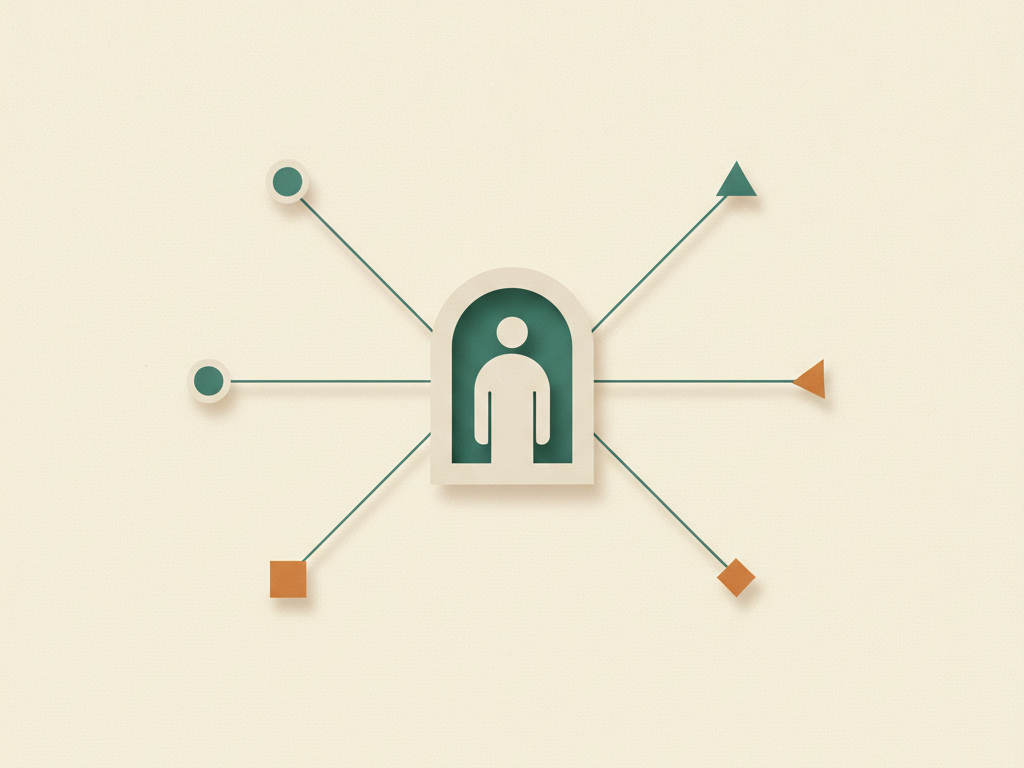
Integrated home care is a system under which a long-term care beneficiary receives home visit care, bathing, nursing and day and night care bundled together from a single provider. The forum was organized jointly by the ministry and the Korea Institute for Health and Social Affairs.
The ones voicing difficulties are the local governments that carry it out. Voices were raised that both budgets and staff are tight, and experts pointed out that gaps in the medical and care base are wide from region to region. In medically underserved areas and areas with shrinking populations, the foundation that would support the services is thinner.
The fourth Integrated Care Policy Committee, chaired by Health and Welfare Minister Jeong Eun-kyeong at the Government Complex Seoul on July 7, put this issue on the agenda for the second half of the year. It calls for reviewing how applications and service linkage are working, building up local government capacity and firming up the base of the system. The Ministry of the Interior and Safety reported a plan to review the assignment of dedicated staff for building local governments' integrated care systems. How many staff have been assigned and where the gaps are will emerge through this review.
The ministries also brought their own parts. The Ministry of Agriculture, Food and Rural Affairs presented a pilot project linked to rural care activity support, the Ministry of Culture, Sports and Tourism presented support for culture, leisure and sports for older people and people with disabilities, and the Ministry of Land, Infrastructure and Transport presented a housing welfare plan. Buk-gu of Jeonnam-Gwangju Integrated Metropolitan City introduced its own strategy based on experience running everything from the pilot project to the main program.
Going forward, home visit rehabilitation, home visit nutrition and support for dying at home will be added in stages. The scope, which has been geared to older people, will also widen to people with disabilities and people with mental illness. The government says it will set up an online application channel, increase and train dedicated staff, and build a performance evaluation system that measures whether users' lives have actually improved.
The ministry will conduct a survey on community integrated care and then draw up the first basic plan for integrated care based on the results. The some 123,000 cases accumulated over the 100 days become the base data for that plan.