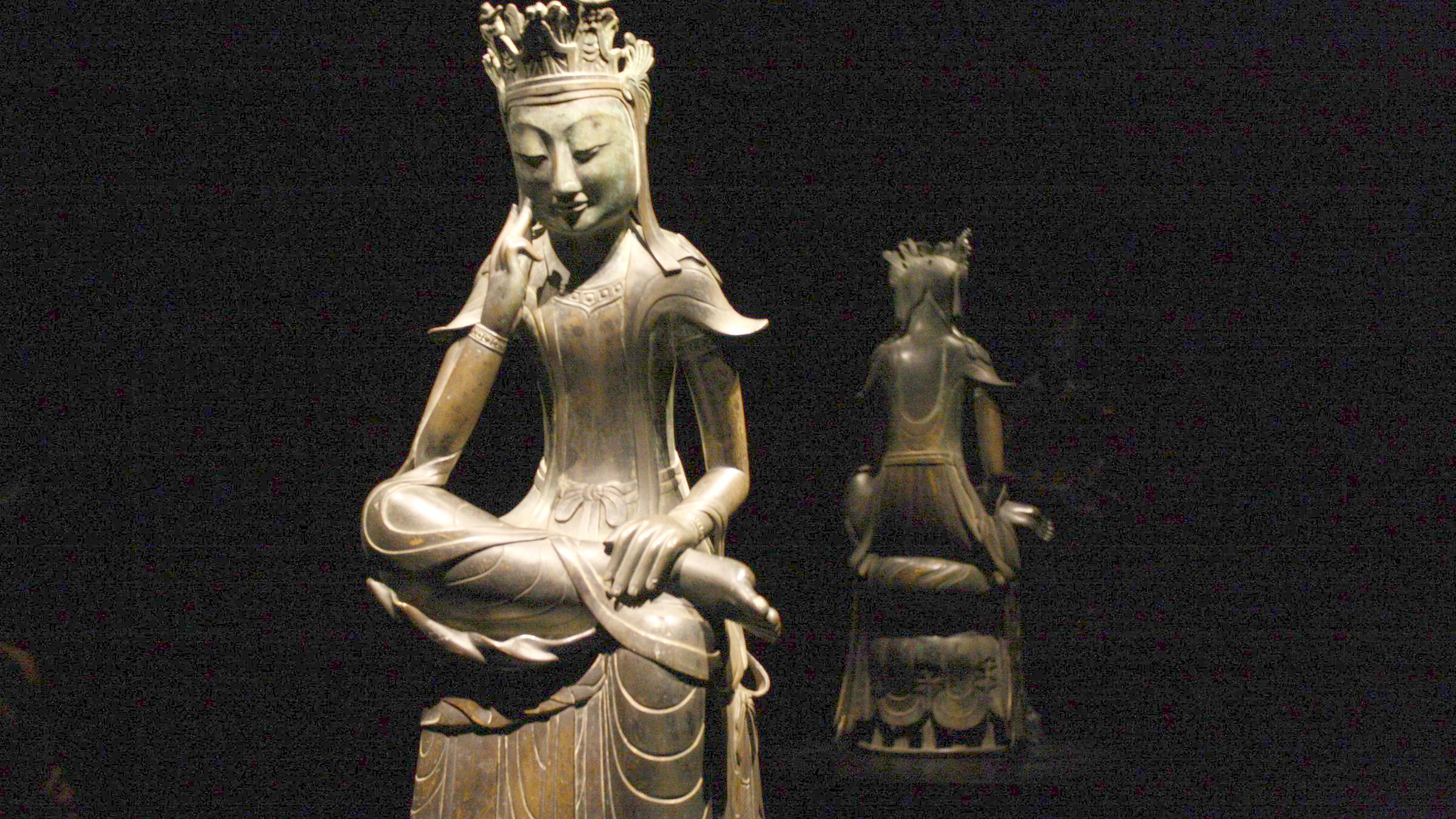
A plan to place the pensive bodhisattva statues representing Korea and Japan together for the first time was made public on the 12th. The exhibition title, dates and venue have not been confirmed.
The pensive bodhisattva (bangasayusang) depicts a buddha lost in thought, with one leg placed over the other knee and the fingertips resting lightly on the cheek. The eyes look as if they are both closed and open, and it is hard to tell whether the mouth is smiling or not. The bronze surface has settled into a dark blue-green over the long years, and the folds of cloth falling from the shoulders run all the way to the curve of the fingertips.
This form was born in India, passed through Central Asia and China, and reached the Korean Peninsula. As it crossed borders the clothing and the lines of the face changed little by little, but the posture of half-folding the leg and touching the cheek stayed the same. On the Korean Peninsula, this form was made actively from the closing years of the Three Kingdoms period through the time when Unified Silla was beginning.
What those fingertips mean has no settled answer. Because the surviving records are not plentiful, interpretations have branched in several directions and have continued that way until now. The view that it gives form to anguish and the view that it holds the stillness just before enlightenment have both survived together for a long time.
The Korean Institute for Buddhist Studies (director Lee Ju-hyung) has prepared a lecture series that addresses those several strands head-on. The "2026 Wonhyo Hakdang Second Lecture Series" opens at 6:30 p.m. on the 1st of next month and runs for three weeks. The theme is "Thought and Image in Buddhism: The Symbolism and Meaning of the Pensive Bodhisattva."
The sessions take the form of a dialogue between Lee Ju-hyung, professor emeritus at Seoul National University, and Ha Jung-min, professor at Keimyung University. They are divided into three approaches: "Anguish and Thought" on July 1, "Stages of Practice" on the 8th, and "Thought and Empathy" on the 15th. The fee is 100,000 won, and members of the Gudohoe and the Young Gudohoe pay half, 50,000 won. Those who complete registration receive the Zoom address and the lecture materials (as of the June 10 report).
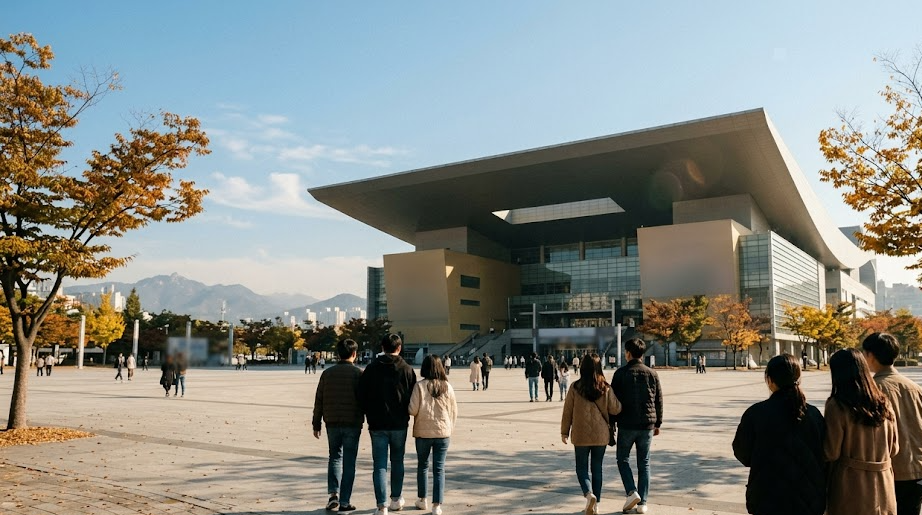
The number of people coming to see Buddhist statues has risen noticeably. The National Museum of Korea said on the 9th that 3,255,160 people visited from January through May this year. That figure comprises 3,133,136 Koreans and 122,024 foreigners, 45.2% more than the 2,241,592 in the same period last year. Last year's annual total of 6,507,483 visitors was the largest since the museum opened in 1945.
Visitor numbers also rose in Gyeongju. The cumulative total at the Gyeongju National Museum this year passed 1,000,961 on May 30. That is 73.7% more than the 576,104 in the same period last year, and the date of crossing the one million mark came 86 days earlier than last year's August 24.
The more people gather, the harder it becomes to keep the quiet. The 1,612,000 people who visited the National Museum of Korea during the two months of July and August last year exceeded the appropriate visitor standard of 15,000 a day. In summer, when visitors crowd in, the Room of Quiet Contemplation also has trouble maintaining an appropriate number of people.
The museum's summer schedule is tightly packed. "Amazing Thailand: Masterpieces of Thai Art" opens on the 23rd of this month, and from July 1 to October 25 the special exhibition "Our Tables" follows. When and where the two pensive bodhisattvas will meet must await the next announcement.
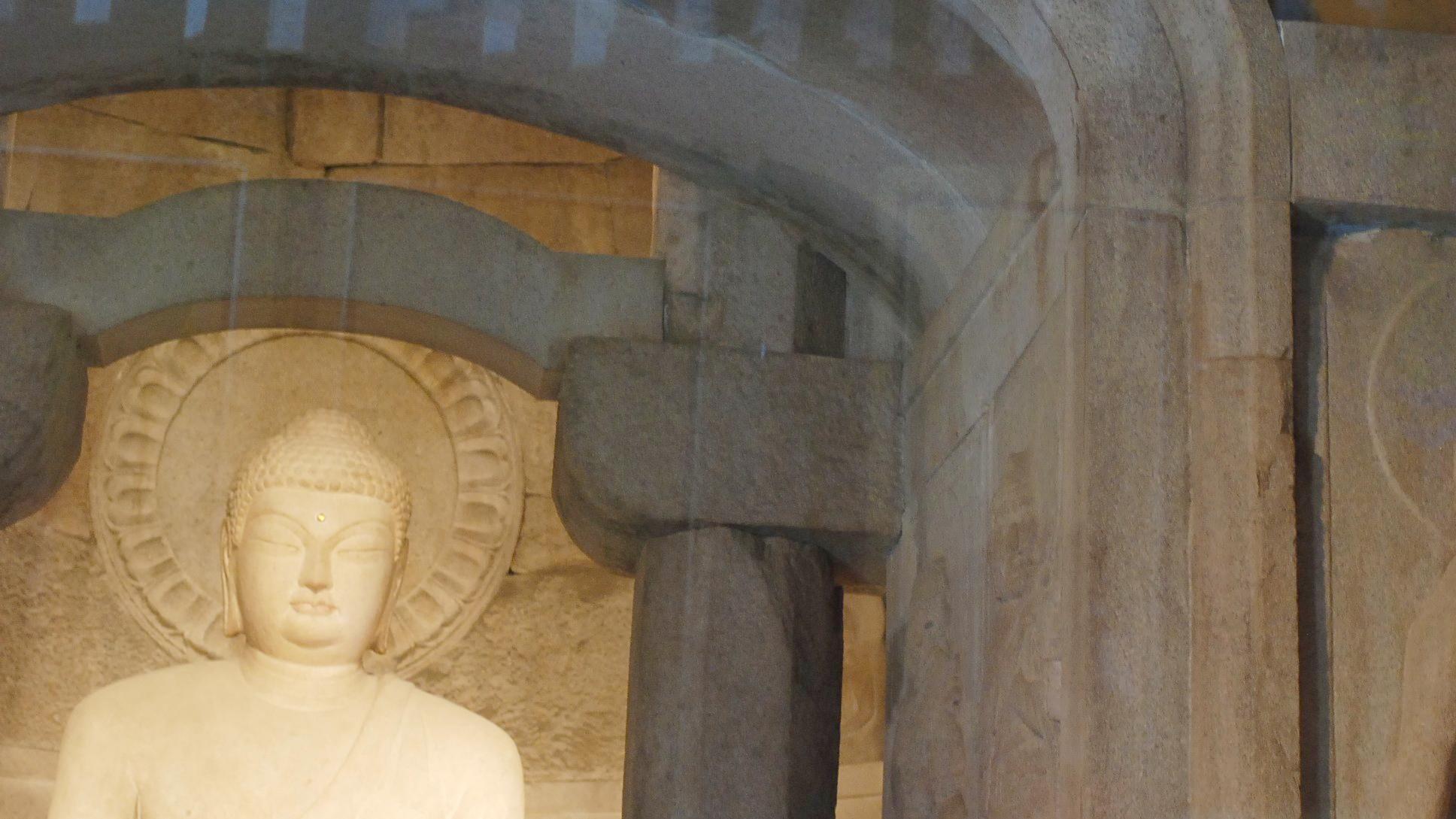
Even before the lectures begin, the Room of Quiet Contemplation receives visitors. Walk a few steps into the darkness where the lighting lies low and face the statues, and the fingertips touching the cheek and the slightly bent toes come into view. What is clear is that someone fifteen hundred years ago worked to hold on to that expression. There is no set length for the time a visitor stands before the statues.