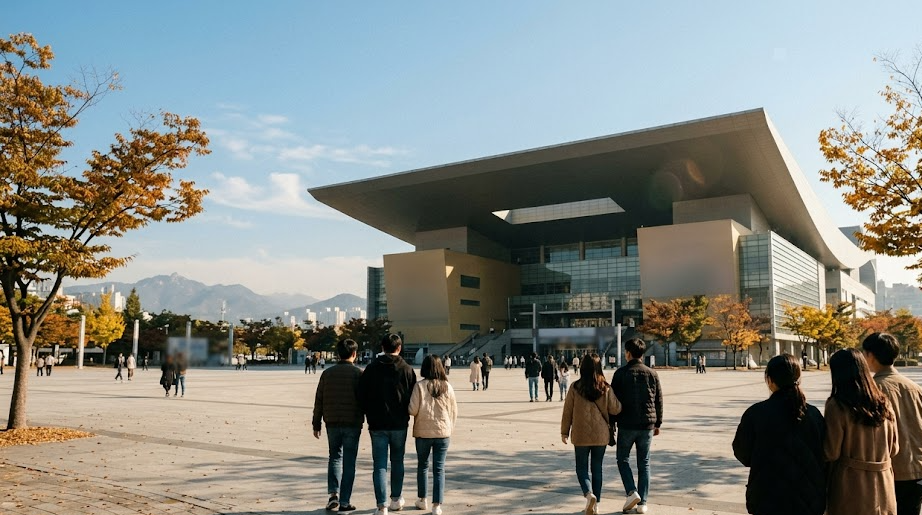
The Gyeongju National Museum opens the special exhibition "Hwangnyongsa, Enshrining the Sarira of the Buddha" on the 12th to mark the 50th anniversary of the excavation of the Hwangnyongsa temple site. The exhibition presents 322 objects in 117 lots, most of them sarira reliquaries that had lain buried in the earth. It runs in the special exhibition hall until October 11. The museum announced the exhibition on the 11th, a day before the opening.
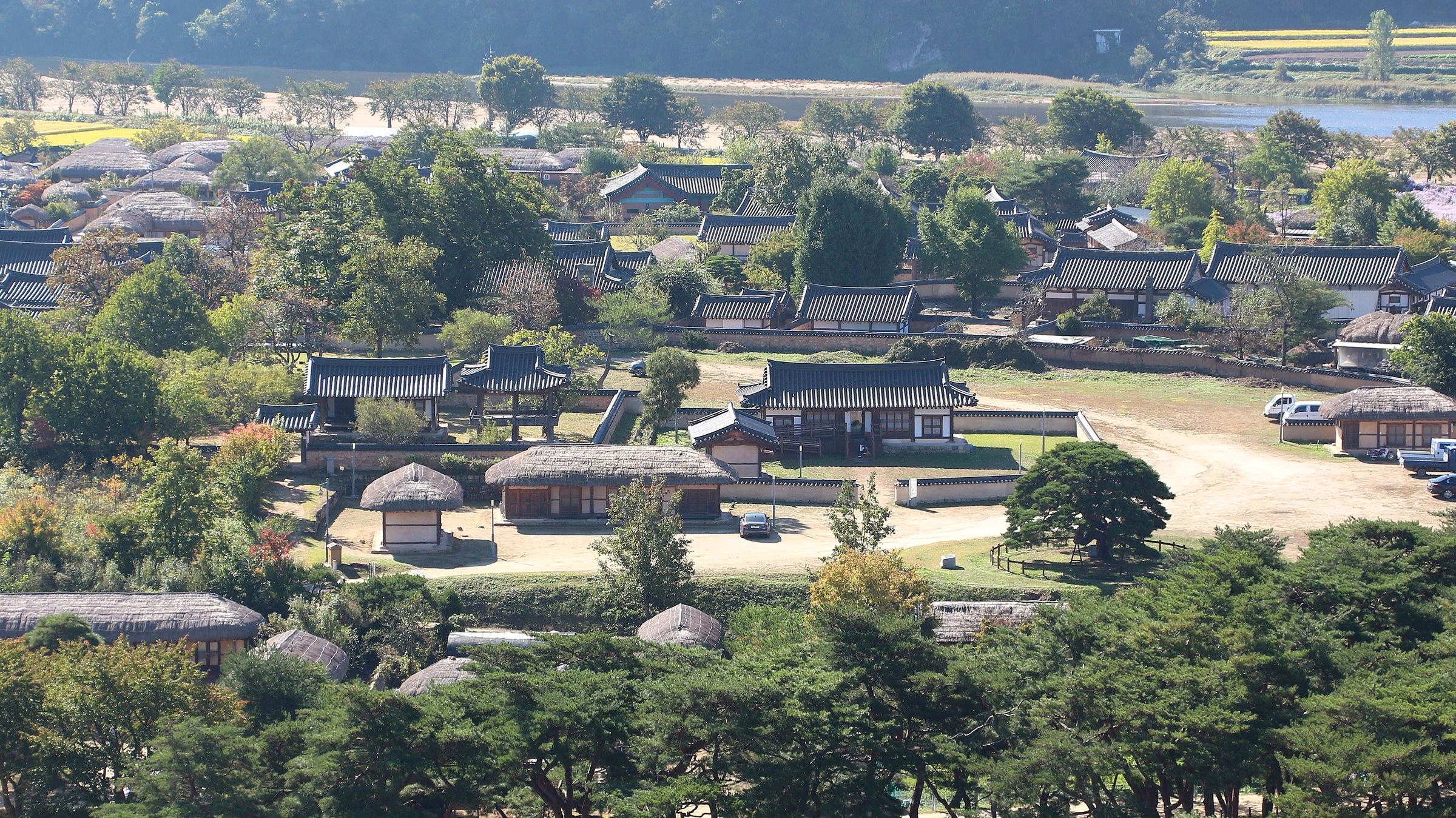
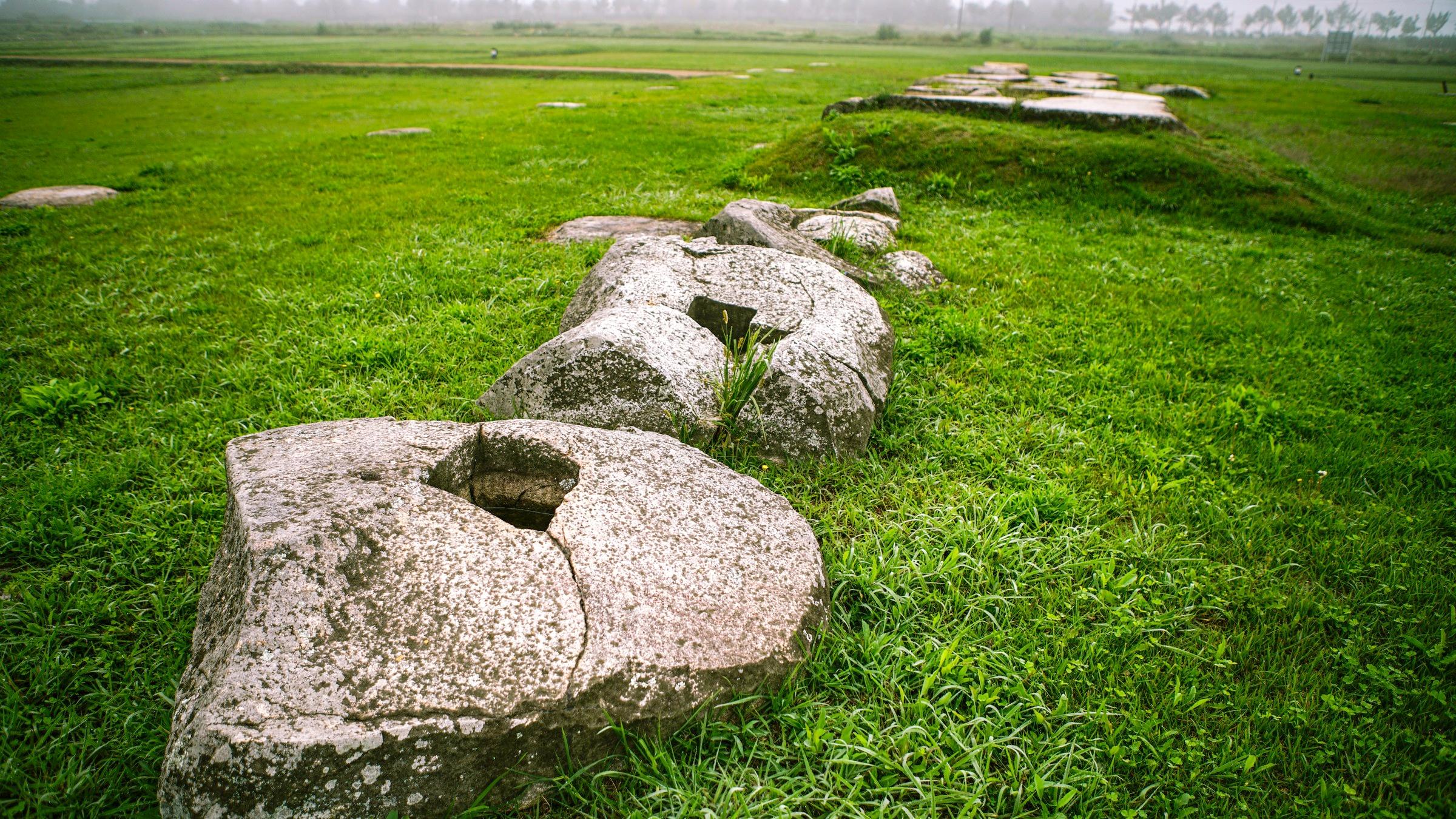
Hwangnyongsa had a nine-story wooden pagoda. What remains today on the plain in Guhwang-dong, Gyeongju, is the central foundation stone that bore the pagoda, its cover stone, and the arrangement of the foundation stones. No timber survives, and the roof tiles are scattered only as fragments. How high the pagoda rose is attested by the center of the load the stone carried, and by the square cavity hollowed out in the middle of that stone.
That cavity is the sarira hole. The objects unearthed from beneath the central foundation stone during the excavation, and those lifted from the sarira hole, form the backbone of this exhibition. The gilt-bronze sarira casket of the "Hwangnyongsa Chaljubongi," designated a Treasure, is among them.
Gilt bronze endures the years, but it does not endure gracefully. Rust settles on the surface, thin plates crack, and letters sink beneath the layer of corrosion.
Through conservation work spanning several years, the museum confirmed that the entire sarira hole had been a reliquary adorned with gilt-bronze plates. That is, it was not merely an empty space carved out of stone but a chamber whose inner walls were also wrapped in gilt bronze. A form that had been pressed under the soil for more than a thousand years after the pagoda disappeared has been read again. The work of cleaning an artifact becomes the work of restoring a vanished piece of architecture.
What holds the attention longer are the names. On fragments of the Chaljubongi sarira casket, the names of four artisans, including Kim Chung (金忠) and Yeon Jang (連長), have been newly deciphered. The names of the king and the monks who raised the pagoda were long recorded, but the owners of the hands that hammered the gilt-bronze plates and carved the letters were mostly erased. The people who left their own names on thin metal were found in fragments, and were read only half a century later.
Leave an artifact where it was unearthed and no one can see it; take it out and its context is severed. This exhibition chose the latter. The arrangement that shows the central foundation stone, the cover stone, and the objects unearthed beneath them together reads as an attempt to make up, at least in part, for the loss that choice entails.
During the run of the exhibition, public programs such as "A Conversation with the Curator" and "A Family Outing to Hwangnyongsa" will also be offered. Detailed schedules are being arranged. Since this is a project that closes out half a century of excavation under the leadership of Director Yun Sang-deok, how far the exhibition opens up interpretation beyond the display of artifacts is what to watch.
Leaving the exhibition hall, the Hwangnyongsa temple site is about ten minutes away by car. At the site the central foundation stone, the cover stone, and the foundation stones remain. Until October 11, it is possible to walk between the two places in a single day.