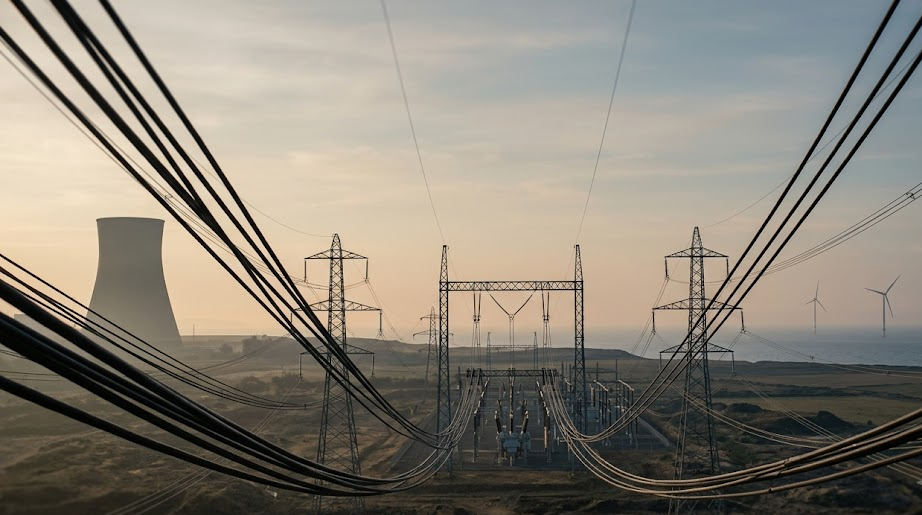
The Korean Institute of Electrical Engineers, the Korea Society of New and Renewable Energy, and the Korean Nuclear Society. The three societies, regarded for the past decade or so as standing on opposite sides of the domestic energy debate, put their names together on a single policy proposal ahead of the drafting of the 12th Basic Plan for Long-term Electricity Supply and Demand. The announcement came early this week.
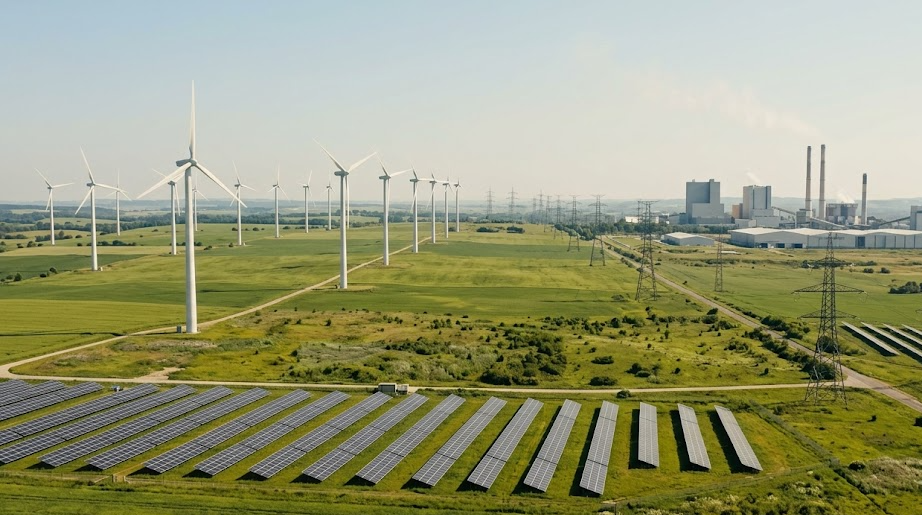
The document's first premise is simple. Nuclear power and renewable energy are two pillars that must be expanded together.
The three societies defined the problem facing the country's power sector as an "energy trilemma." Strengthening energy security, achieving carbon neutrality, and securing industrial competitiveness. The view that picking only two of these makes it difficult to hold on to any one of them became the starting point of the joint announcement.
What the proposal called for is a methodology. It asks that the power mix be drawn up on the basis of scientific modeling that comprehensively considers supply characteristics, economics, and grid stability. Instead of setting the share of a particular source by political declaration, it should be derived by examining whether the grid can actually withstand it.
The figures in the proposal show what scale of implementation that methodology demands. According to academic analysis, maintaining nuclear power at 35% in 2050 requires 20 new large reactors and 12 SMRs. Raising the share to 50% requires 34 large reactors and 20 SMRs. The three societies called for plans for an additional 2-4 large reactors and 2-4 SMRs, targeting operation in 2039-2040, to be reflected in the 12th electricity plan.
The demands on the renewable side are as specific as those on the nuclear side. The proposal recommended that additional system costs accompanying the expansion of renewables, including profile costs, balancing costs, grid costs, and flexibility costs, be reflected in economic assessments. At the same time it called for a compensation system for the environmental and public value that renewables create.
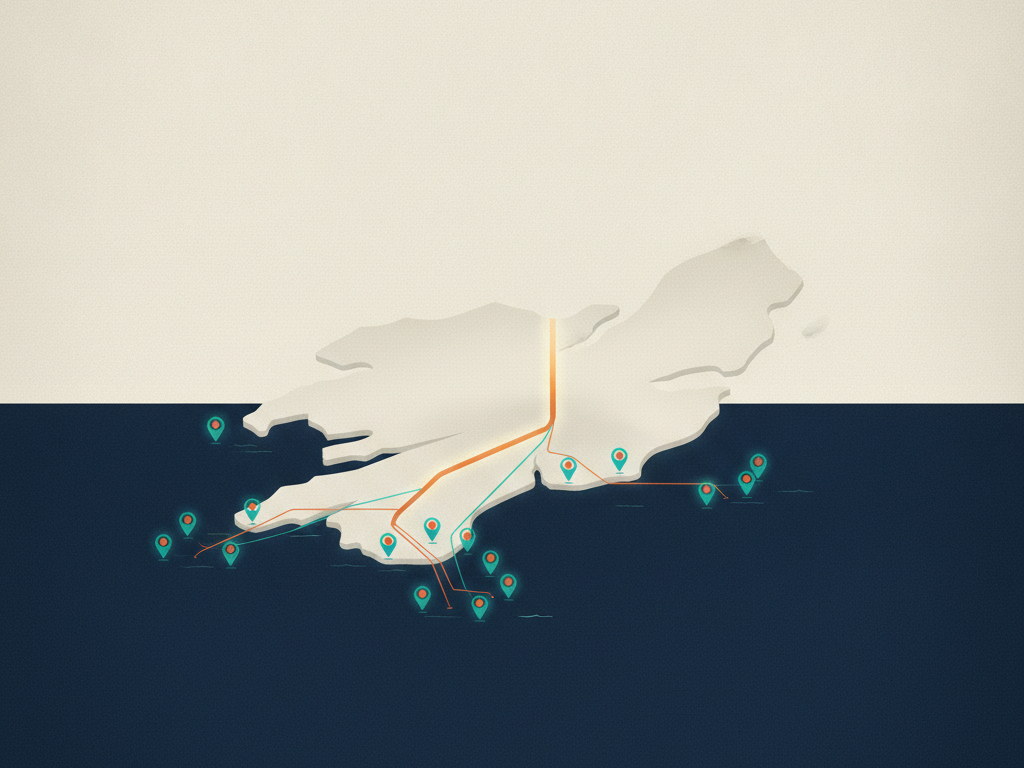
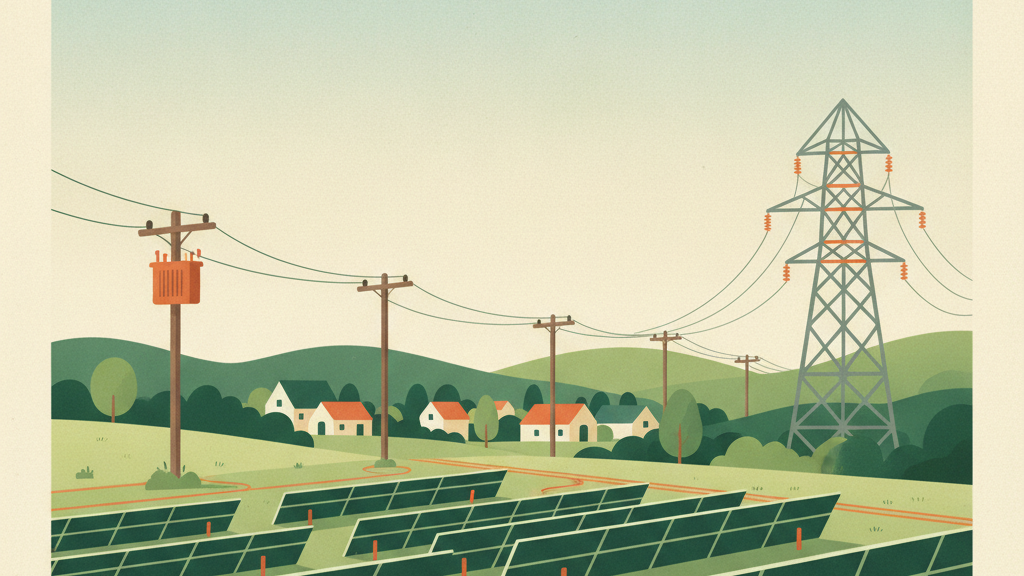
The proposals on the grid are concrete. It presented the construction of an HVDC-based "energy highway" connecting offshore wind farms on the west and south coasts as a priority task, and held that large offshore wind clusters and shared connection hubs should be built under state leadership. It also included a call for the grid expansion plan needed to meet the NDC to be specified within the electricity plan.
In the storage field, the approach was divided along a time axis. In the short term, battery-based ESS should stabilize the grid, and in the long term non-battery technologies such as pumped storage and clean hydrogen storage should be broadened in stages. It proposed that the government recognize ESS as national carbon-free energy infrastructure and strengthen financial support, policy finance, and tax benefits, and that it revise the rules so ESS can be used as a virtual power line (VPL) resource.
Areas that are hard to switch to electricity were not left out. Industrial sectors where electrification is difficult, such as steel, petrochemicals, and cement, need a separate carbon neutrality roadmap using clean hydrogen and CCUS. Also notable is the part where each camp pointed out the weaknesses of its own source. For nuclear power, securing load-following capability and the problems of siting and large-scale transmission were raised as tasks, and for renewables, supply stabilization based on domestic technology and securing an industrial ecosystem.
Of course, a proposal is a proposal. There is no guarantee that the scale of new reactors the three societies called for, or the grid investment plan, will be carried into the 12th electricity plan as they stand. The document does not specify whether the 35% and 50% nuclear shares are measured by generation output or by installed capacity, leaving that as a point to be sorted out in the discussion ahead.
There is something in the proposal that has changed. Until now the domestic energy debate has spent most of its strength on contesting which source is right. With the three societies signing one document, the point of contention has shifted. The subject of discussion from here is questions of design such as where to place transmission lines, how to account for system costs, and at what level to support ESS.
The 12th Basic Plan for Long-term Electricity Supply and Demand determines the makeup of the electricity used in this country for the next several years. Public hearings and opinion-gathering procedures are held during the planning process, and not only experts can take part in them. Participation begins with checking whether a transmission line will run through your area, whether an offshore wind farm will be built there, and on what grounds that plan was drawn up.