The Busan Metropolitan Government will submit a preliminary assessment application for "Sites of Busan, the Wartime Refugee Capital during the Korean War" to the UNESCO World Heritage Centre in September. The application covers 11 component sites, including Gyeongmudae and the Provisional Government Building, Pier 1 of Busan Port, the UN Memorial Cemetery in Korea, Ami-dong Tombstone Village, Uam-dong Somak Village, Yeongdo Bridge and Bokbyeongsan Reservoir. It is the next step after the sites entered the Tentative List in 2023 and were selected for the Korea Heritage Service's priority nomination list last year. The Korea Heritage Service held a press tour of the sites on the 26th and a D-50 press briefing at BEXCO in Busan on the 27th to explain the schedule.
The 48th session of the UNESCO World Heritage Committee runs in Busan from July 19 to 29. Korea serves as chair. It is the first time the country has hosted the session, 38 years after acceding to the World Heritage Convention in 1988. The hall where inscriptions are reviewed will sit inside the city that is preparing for inscription.
The term wartime refugee capital is summed up by a span of 1,023 days. Records show that a port city of some 300,000 people took in close to a million refugees. Sixty-three countries are counted as having taken part in the war through combat, medical aid or supplies. The city government said it is pursuing the listing from the perspective of humanity and international solidarity rather than leaving the sites as traces of war.
The place where that perspective is felt most clearly is the UN Memorial Cemetery in Korea. The only UN forces cemetery in the world, it was created by the United Nations Command in January 1951, and from April of that year remains that had been temporarily buried in Kaesong, Incheon, Daejeon, Daegu, Miryang and Masan were moved here. The grass changes color with the seasons, and the low bronze nameplates are cool to the touch. Counting the nationalities of those buried here brings you to the list of 63 participating countries.
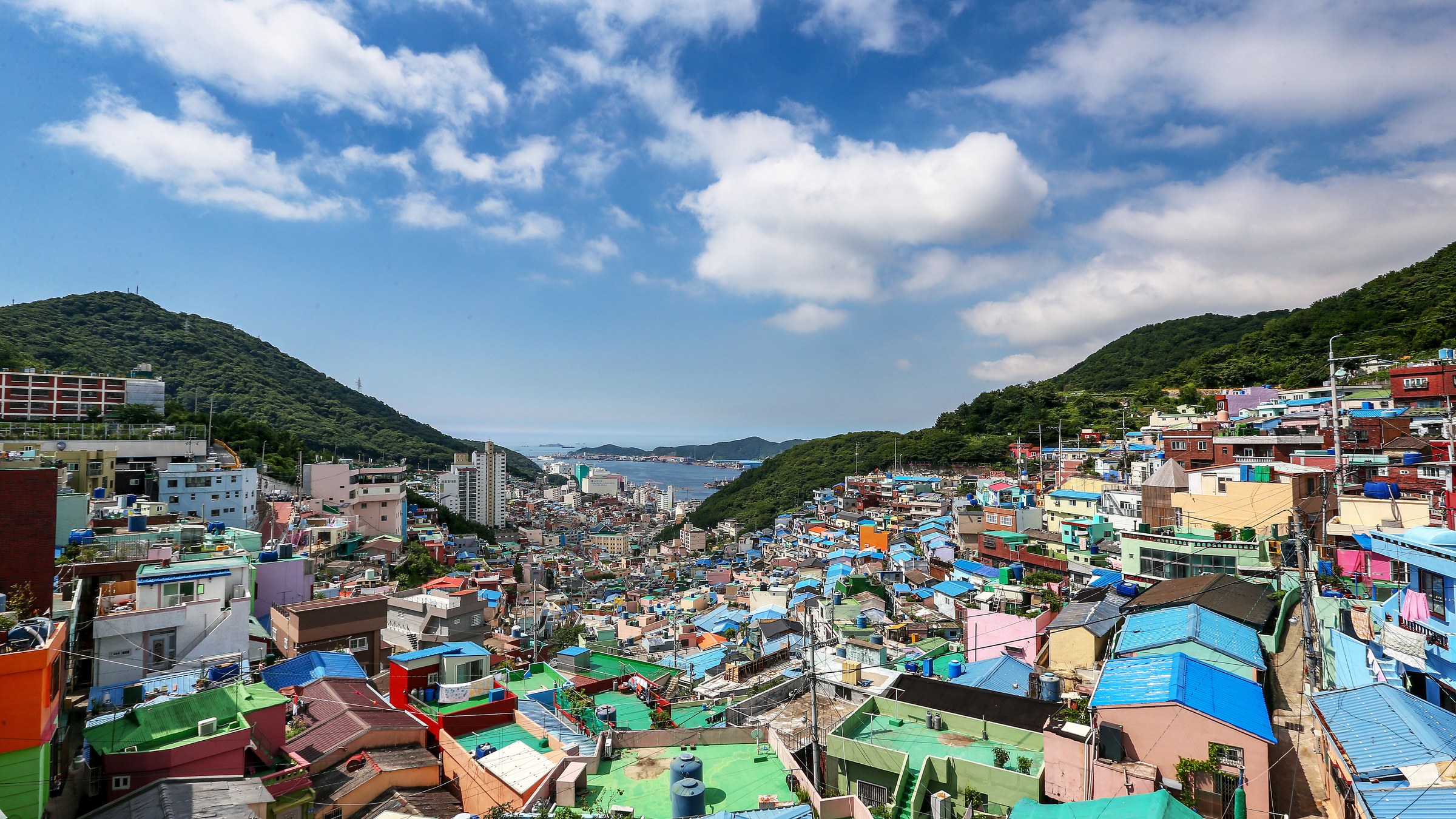
Ami-dong Tombstone Village has a different grain. Refugees put up houses on top of a Japanese cemetery, and the granite surfaces remain visible in the retaining walls and stairs. The fact that people still live in the neighborhood defines the character of this heritage. The same holds for Uam-dong Somak Village, where the history of buildings that once housed livestock becoming human dwellings is folded into the walls.
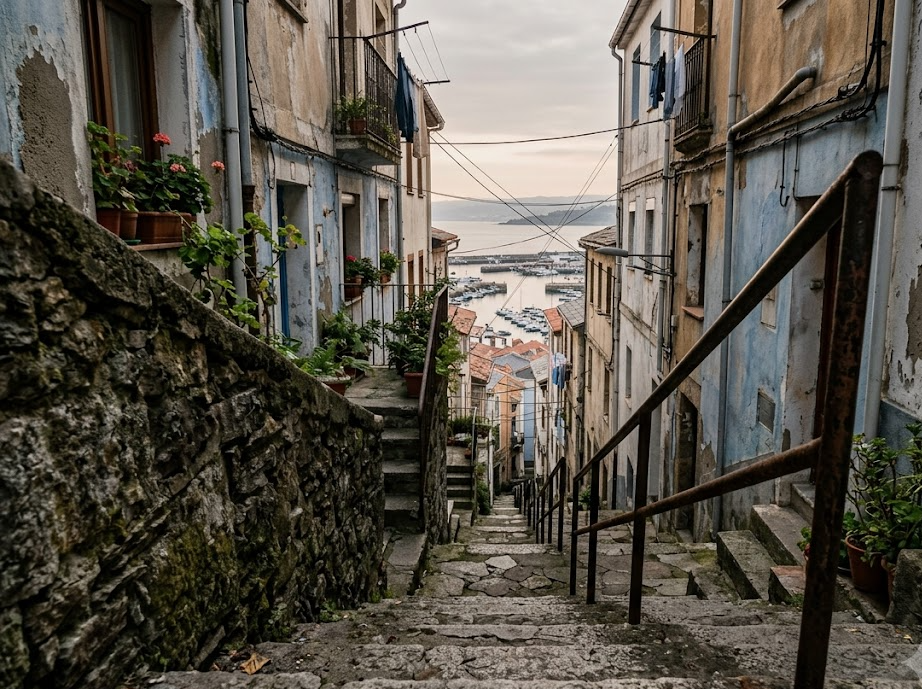
Preservation and daily life collide here. World Heritage inscription requires buffer zones and management plans, and those requirements reach straight to the window frames and roofs of the people living in the alleys. As visitors increase the retaining walls wear down, and lives caught on camera come closer to exhibits. How this tension is written into the management plan, without being papered over, is likely to be the key to the review.
The process is long. The preliminary assessment is carried out as a desk review by ICOMOS, UNESCO's advisory body, and takes about a year to produce a result. The target for formal inscription is 2030, adjusted from the 2028 date originally set. Of the 14 domestic entries on the Tentative List, only two have made the priority nomination list: the Hoeamsa Temple Site in Yangju and the sites of Busan, the wartime refugee capital.
During the July session, a Korea Pavilion will be set up at BEXCO. It will operate for ten days from the 20th to the 29th, covering an area a little more than twice the size of a soccer field, with 33 organizations taking part, including six central government ministries, 14 local governments and 13 private institutions. It will introduce Korea's 17 World Heritage sites and 20 Memory of the World items, followed by demonstrations by 14 holders of traditional crafts working with their hands and performances by 21 intangible heritage holder groups. Around 3,000 people, including the UNESCO Director-General and delegations from 196 countries, are expected to visit.
The session draws guests, but the heritage stays where it is. After the Korea Pavilion closes, the retaining walls of Ami-dong, the walls of Uam-dong and the joints of Yeongdo Bridge remain attached to the daily life of Busan residents. The four years left until inscription is decided in 2030 are also time to work out how to protect that daily life.
The UN Memorial Cemetery in Korea is open free of charge year-round. Ami-dong Tombstone Village and Uam-dong Somak Village come up when their names are entered in a map app, and both are within bus distance of the old downtown. Before the nomination file crosses over to Europe, running a hand once over the grain of the stone left beneath a retaining wall is not so hard to do.