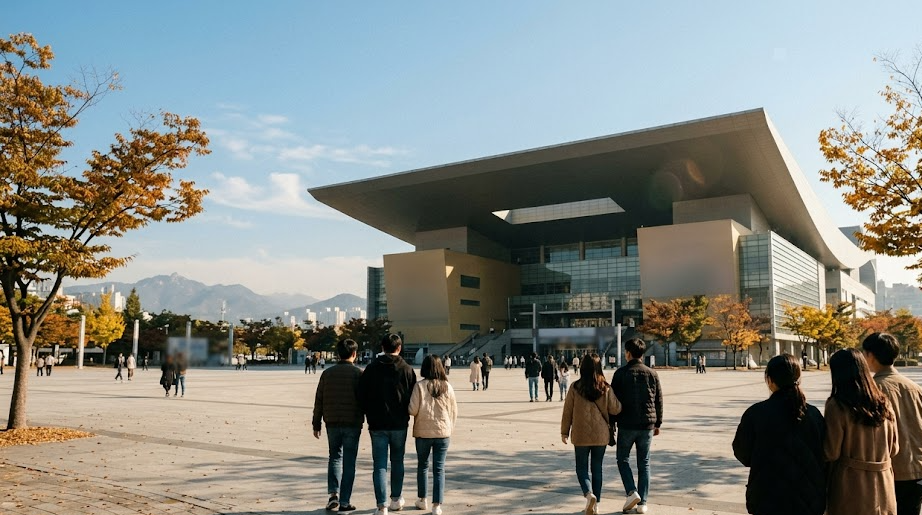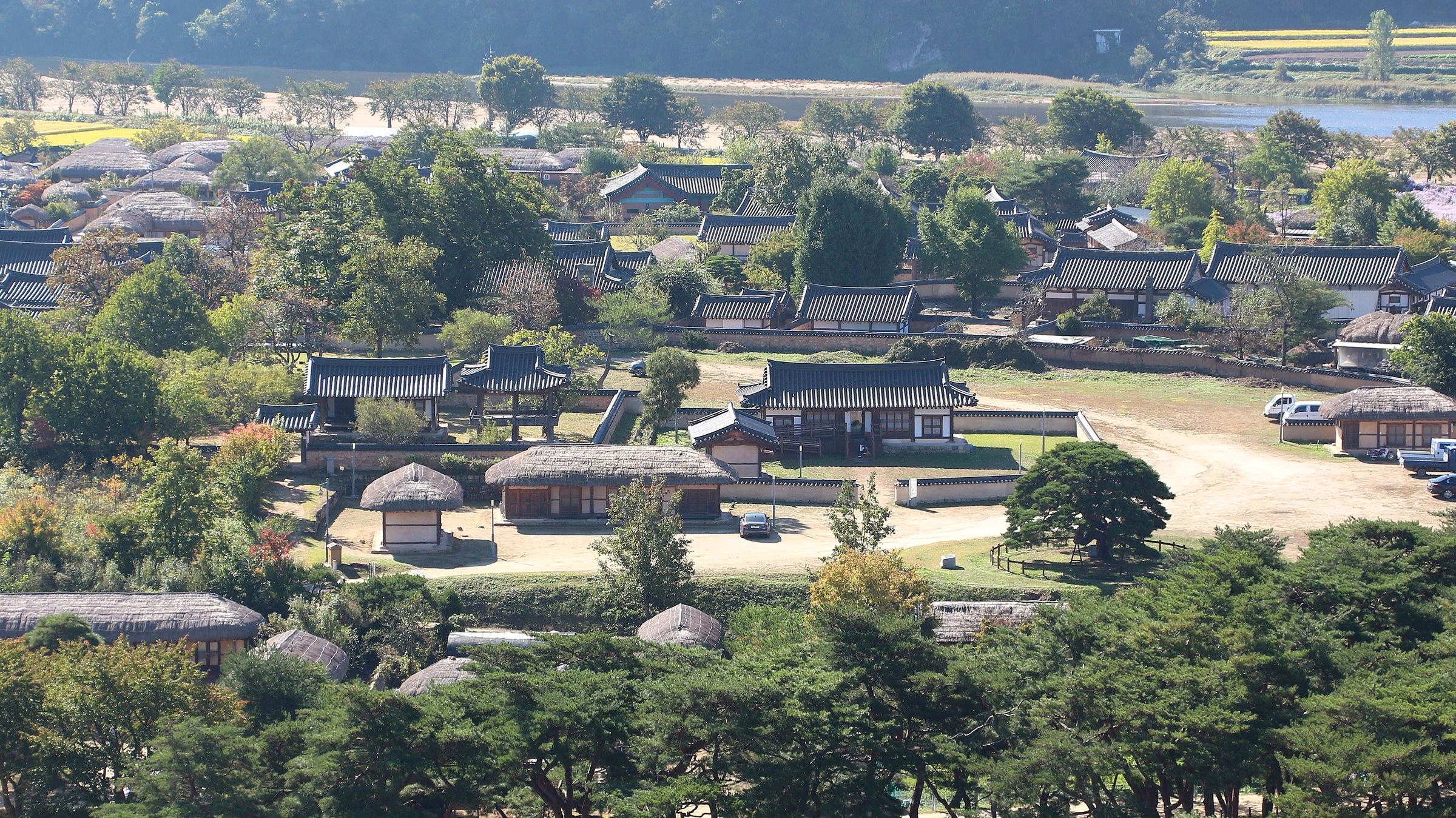
The Busan Metropolitan Government announced on the 19th that it will run a "World Heritage Tour" marking Busan's hosting of the 48th session of the UNESCO World Heritage Committee. The tour will be held four times over two days, on June 19 and 20. It is made up of two half-day courses and two full-day courses. Applications will be taken on a first-come, first-served basis from 10 a.m. on the 20th, with no restrictions on who may apply.
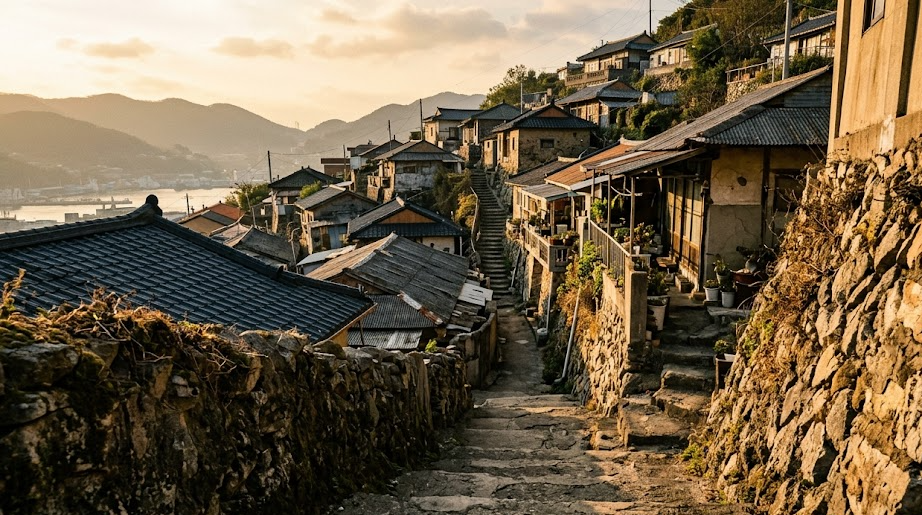
The theme of the half-day course is "Heritage of Busan, the Wartime Capital." It starts at the Busan Modern and Contemporary History Museum, passes the Busan Regional Office of Meteorology, the former National Central Observatory building, and stops at the Ami-dong Tombstone Village and the Provisional Capital Memorial Hall. Tombstones from a Japanese colonial-era public cemetery remain embedded in the steps and retaining walls of Ami-dong. Running a fingertip over the letters carved into the granite surface conveys the cool touch of the stone, and on top of it lies the time people have lived there.
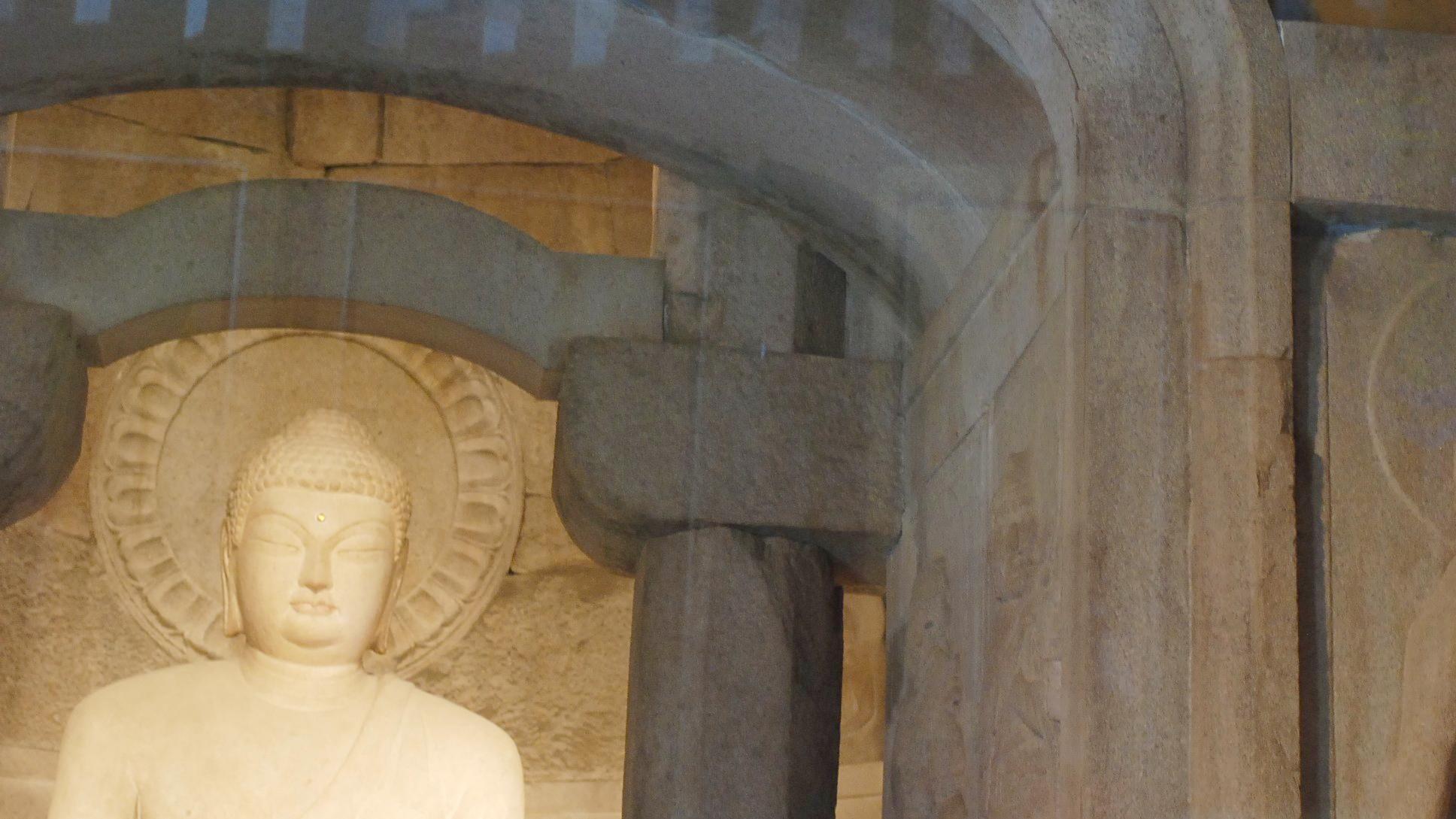
The full-day course is divided into an Ulsan-Yangsan route and a Gyeongju route. The Ulsan-Yangsan route goes around Tongdosa Temple and the Bangudae Petroglyphs, and the Gyeongju route walks through Bulguksa Temple, Seokguram Grotto and Daereungwon in turn. This tour was arranged in the form of opening a program prepared for official World Heritage Committee participants to citizens a month early. Operational details such as the capacity for each session and departure times will be announced when applications open.
A project along the same lines was announced a day earlier. The Korea Heritage Service and the Korea Heritage Agency said on the 18th that, as part of the "National Heritage Visit Campaign," they will run special courses and distribute 100,000 limited-edition special passports. The special courses tie together thirty World Heritage hubs in the Busan, Ulsan and Gyeongsang region and will run for a limited period from May to November. The two organizations did not say where each of the thirty sites is.
The courses include Bulguksa Temple and Seokguram Grotto, the Gaya Tumuli, the Buddhist mountain monasteries and the Confucian academies. The "Petroglyphs along the Bangucheon Stream," inscribed on the World Heritage List last year, the Bangudae Petroglyphs in Daegok-ri, Ulju and the inscriptions and petroglyphs in Cheonjeon-ri, are also included. Hubs related to "Heritage of Busan, the Wartime Capital during the Korean War," selected for the 2025 tentative list for World Heritage nomination, are on the list as well.
The special passport can be applied for on a first-come, first-served basis from 2 p.m. on the 20th on the official website, with up to four copies per person. Of the 100,000 copies, 80,000 are for online distribution and 20,000 for offline. Offline distribution begins in mid-June at the promotional center in Terminal 1 of Incheon International Airport, the Ulsan Petroglyph Museum and Busan tourist information centers, among other places.
Visitors who certify five hubs and then visit the campaign booth inside the Korea Pavilion at BEXCO in Busan from July 20 to 29 will receive a souvenir. Those who go around all thirty sites by November 30 will receive a separate completion souvenir starting in December.
Stamp collecting always brings with it the concern that heritage is consumed as a tourism product. The petroglyphs have repeatedly been submerged and exposed, their carved lines growing shallower, and the retaining walls of Ami-dong will also be hard to keep from wearing down as visitor traffic grows. Preservation pushes toward fewer people, enjoyment toward more. Where this project, which pushes both forces at once, will find its balance will only become clear once the operating period ends.
The Busan Metropolitan Government's position is that it will use this event as an occasion to publicize its bid to have "Heritage of Busan, the Wartime Capital" inscribed on the World Heritage List. Korea is chairing the committee and hosting the session for the first time in the 38 years since it joined the World Heritage Convention in 1988. During the plenary session, an exhibition space introducing Busan's cultural heritage and tourism resources will also be set up inside BEXCO Exhibition Hall 1. The June tour organized by the Busan Metropolitan Government and the May-November special courses organized by the Korea Heritage Service are separate projects.
The nearest date is the 20th. Tour applications open at 10 a.m., and four hours later applications for the special passport begin. Both windows are first come, first served, so they will not stay open for long.
Facing the rock at Bangudae, along with the smell of the water, you see the back of a whale carved five thousand years ago. The road to that rock widens a little this summer.