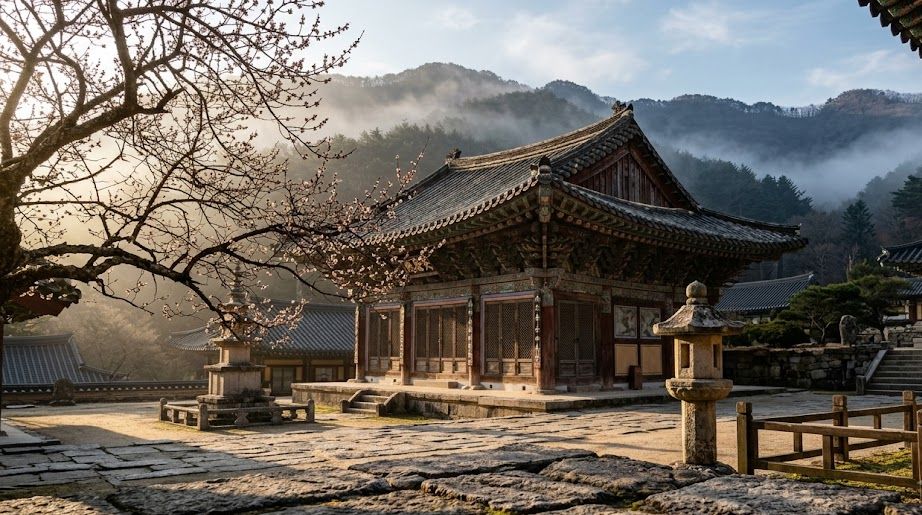
Ksitigarbha statues enshrined at three separate spots in the valleys of Dosolsan will sit together for the first time in an exhibition hall in Seoul. The Buddhist Central Museum of the Jogye Order of Korean Buddhism and Seonunsa announced on the 16th that they will hold the special exhibition "Dosolsan Seonunsa: Entering Seon, Lying in the Clouds." The opening ceremony is on the 21st at 2 p.m., and viewing begins the following day, the 22nd, and closes on July 31. On display are 157 objects in 81 items, including one National Treasure and 11 Treasures.
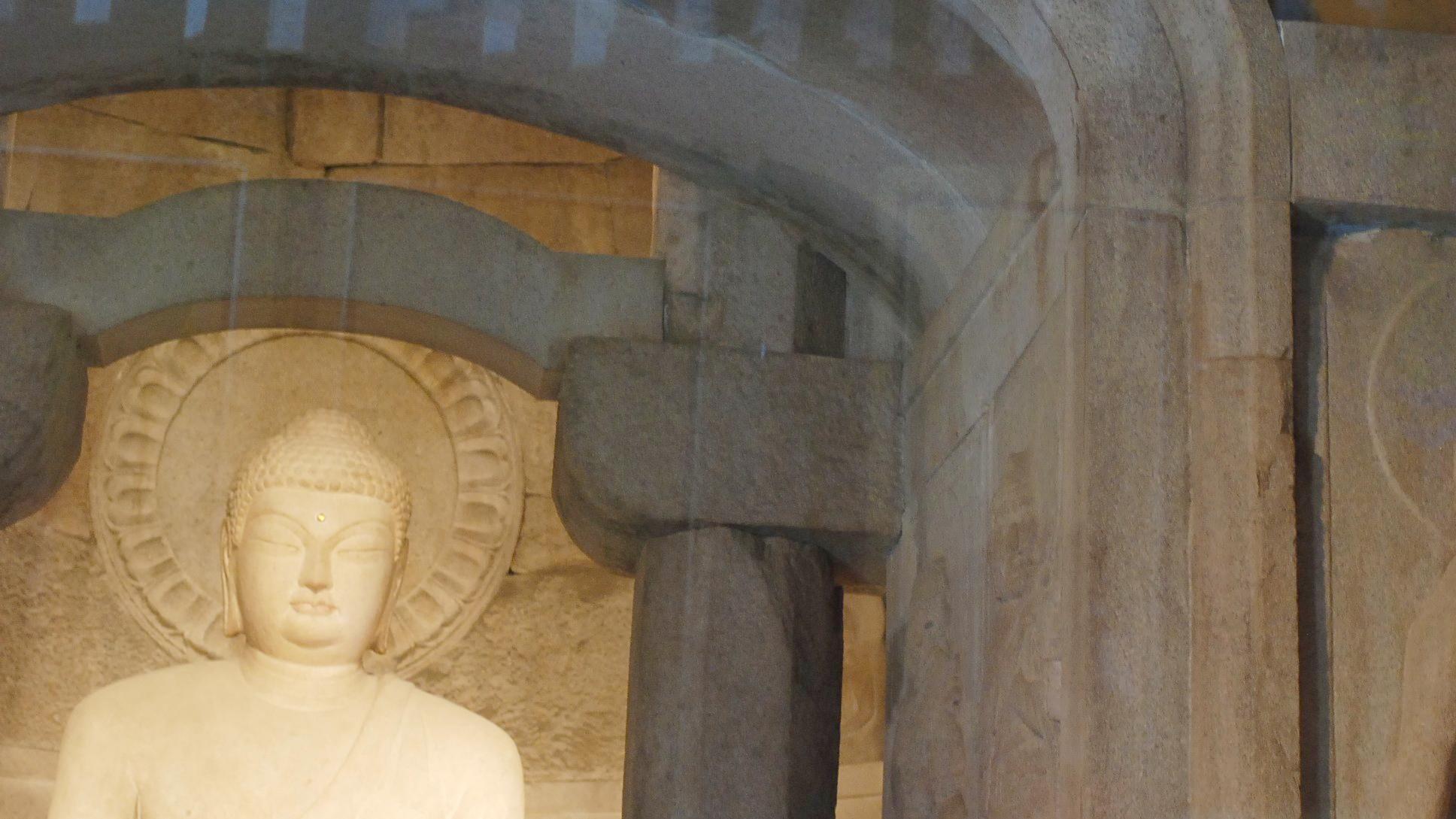
The gilt-bronze seated Ksitigarbha of Seonunsa's Jijangbogung, the gilt-bronze seated Ksitigarbha of Dosolam's Naewongung, and the stone seated Ksitigarbha of Chamdangam's Jijangjeon. All three are state-designated Treasures, and are said to have been made between the late Goryeo and early Joseon periods. Two with a thin remnant of gold and one showing the grain of the stone will be placed under the same lighting. This is the first time the three have been gathered in one space.
Ksitigarbha is usually seated in a group, with the Ten Kings or the Wandok Ghost King at his side. Cases of a solitary enshrinement are so rare that the sight of three seated alone being placed together at once was introduced as an unusual scene in the history of Buddhist sculpture.
One of the three carries with it a time spent crossing the sea. In 1936, during the Japanese colonial period, the gilt-bronze seated Ksitigarbha was stolen from Seonunsa and taken to Japan. The thieves turned themselves in to the police, revealing the statue's whereabouts, and monks of Seonunsa are said to have traveled to Hiroshima to bring it back themselves. The details of the theft, the sale, and the route by which it was recovered differ slightly from one account to another.
The returned statue sat again in a mountain hall for nearly 90 years. In that time worshippers burned incense, and the wooden door frames were marked by their opening and closing. This exhibition comes close to opening a brief gap in that long settled life.
The pieces shown alongside them are no less considerable. The votive objects from the Treasure "Clay Seated Vairocana Buddha Triad of Seonunsa" have come out from inside the statues and will be placed behind glass, and the Naesosa bronze bell, designated a National Treasure, will also be moved to the exhibition hall. The lenders span Seonunsa's main and branch temples plus Songgwangsa, Yongmunsa, Buramsa, the Dongguk University Museum and Library, and the Horim Museum.
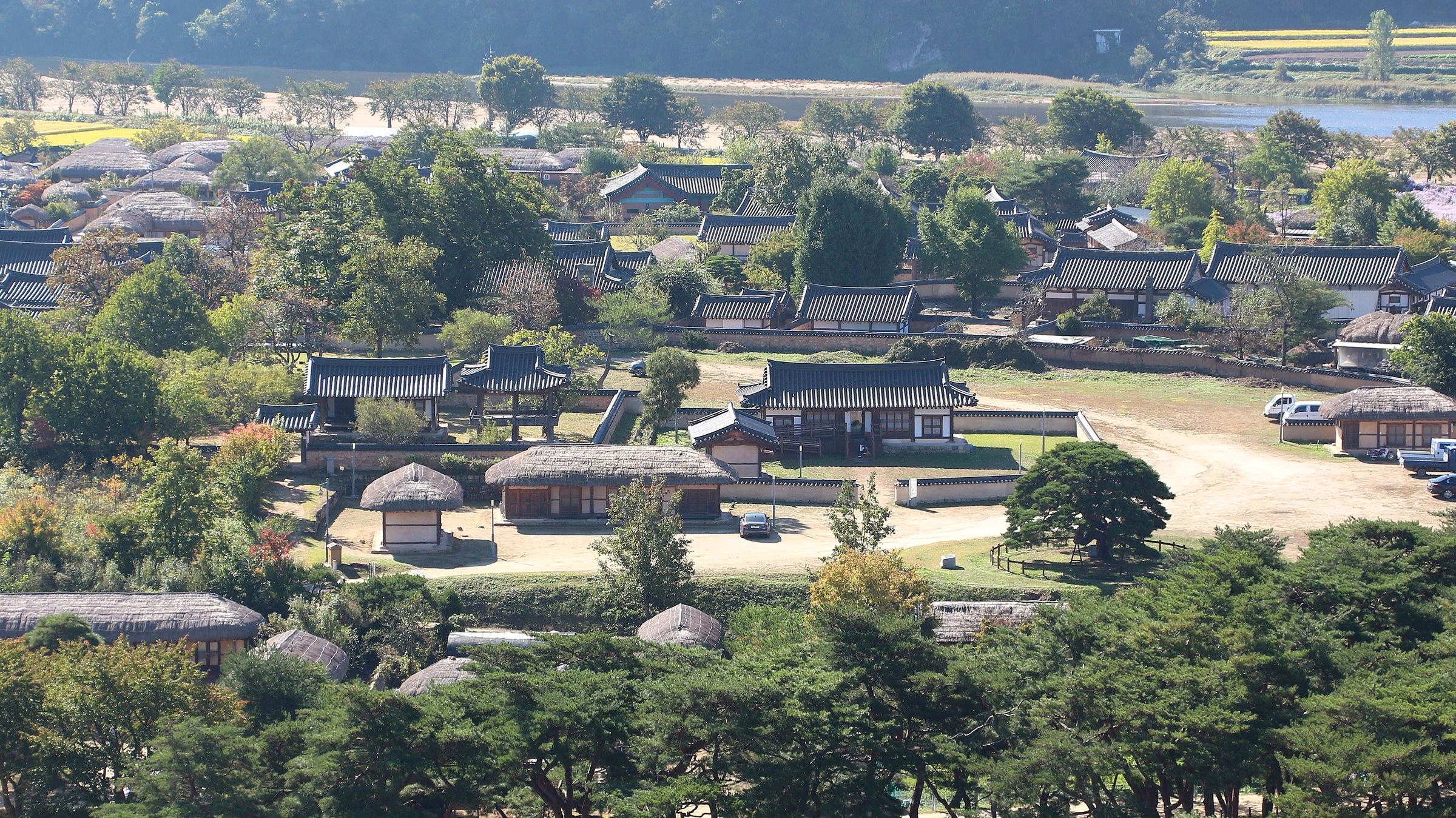
The lives of individuals form another axis. Traces of the monk Baekpa Geungseon, who stood at the center of the late Joseon Seon debates, and of the monk Seokjeon Yeongho, who laid the foundation of modern Buddhist scholarship, follow along in artifacts and records. Seonunsa is a temple founded in 577, the 24th year of King Wideok of Baekje, by the Seon master Geomdan, and is the head temple of the Jogye Order's 24th district. It has endured nearly 1,450 years on a single temple site, and that depth forms the backbone of the exhibition.
Sending sacred objects outside the temple gate is always a delicate matter. The moment an object of worship becomes an object of viewing, a Buddha statue crosses halfway from the body of faith to the body of an artifact. Kept in the mountains, on the other hand, the number of people who can see that body drops sharply. What the Venerable Seobong of the Buddhist Central Museum and the Venerable Gyeongu, abbot of Seonunsa, chose this time is an opening of a little over three months.
A related program, a Buddhist culture lecture series explaining the value of Seonunsa's cultural heritage, is scheduled for June. The detailed schedule is being arranged. After the exhibition closes on July 31, the three Ksitigarbhas will scatter to their own halls and sit alone again.
The period in which the three can be met all at once in an exhibition hall in Jongno, Seoul, is three months and ten days. To see these three again after that, one must go to Dosolsan, and then one must climb up and down the valleys three times. On April 22, the doors open.